Why Photosynthesis Works Without a Hitch express
When a sunbeam hits a leaf, a relay race begins inside it. The energy of light passes from one chlorophyll molecule to the next until it reaches the reaction center — the place where the chemistry of life kicks off. This relay runs with astonishing accuracy: nearly every quantum of light finds its way.
Scientists set out to discover how molecules manage to pass energy so seamlessly. They studied the light-harvesting proteins of purple bacteria. It turned out that energy doesn't sit on a single molecule but spreads across several at once, like a wave running along a taut rope. This helps energy find its path faster.
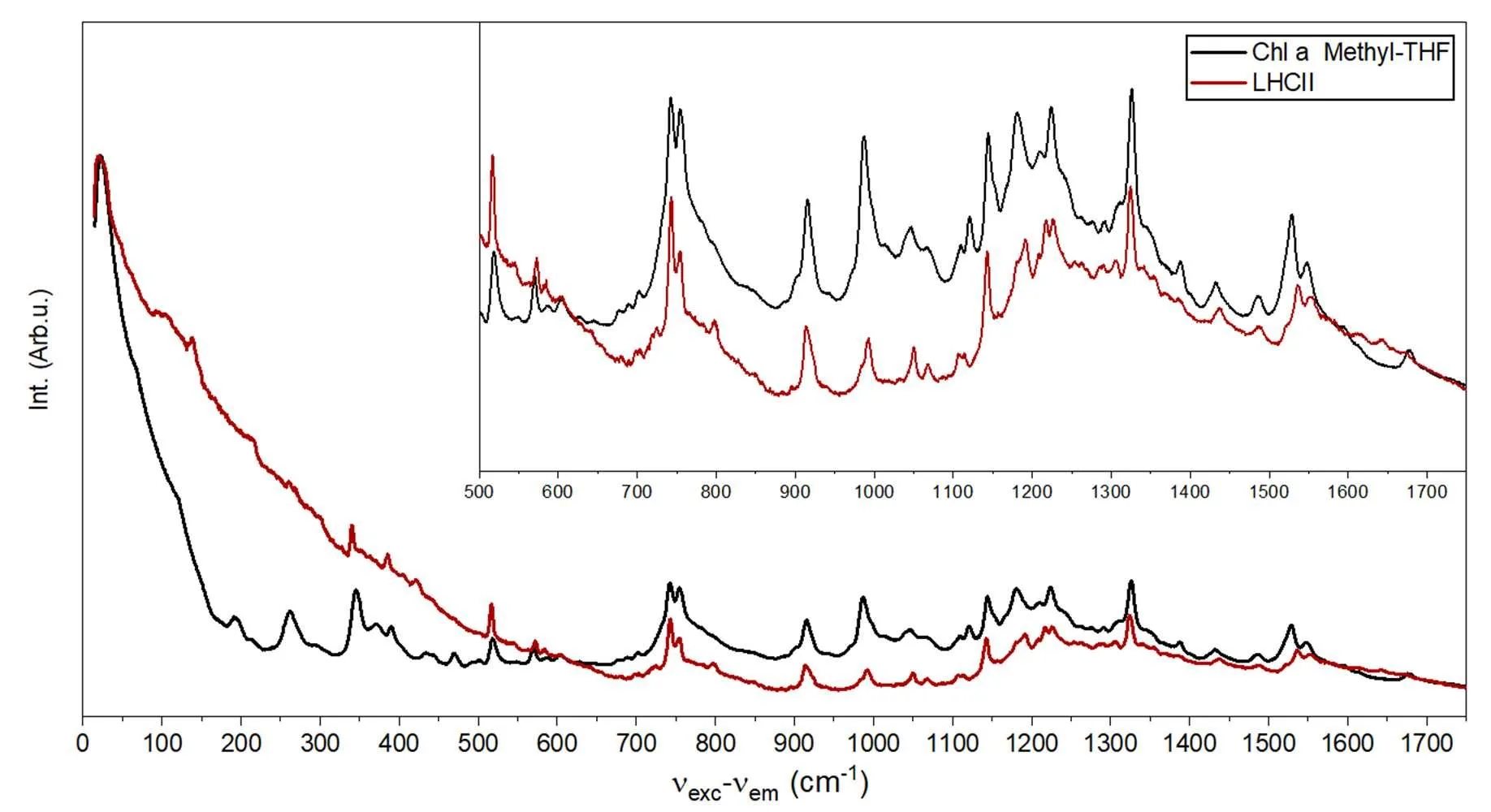
In plants and cyanobacteria, which use oxygenic photosynthesis, the picture is different. There, chlorophyll molecules work individually, but their vibrations also aid energy transfer. Nature has found two different solutions to the same problem.
Understanding these mechanisms could help create solar panels that work as efficiently as a tree leaf.
In purple bacteria, light energy spreads across several chlorophyll molecules at once, while in plants it goes to just one. But both approaches work with nearly 100% efficiency.