Dark Matter on the Scales of Gravity express
In the dark depths of space lurks invisible matter. It doesn't shine, but its pull holds galaxies together. Usually, we assume dark matter obeys the same laws of gravity as tables and chairs. A new study offers a different perspective: dark matter might subtly alter gravity itself.
The authors construct a model where dark matter is linked to the curvature of space in a special way. Ordinary matter (stars, planets, people) continues to follow the old rules. But invisible dark matter adds an extra term to the equations of gravity. This term depends only on the density of dark matter, not on everything else. This way, the model avoids the ambiguities that plagued previous attempts.
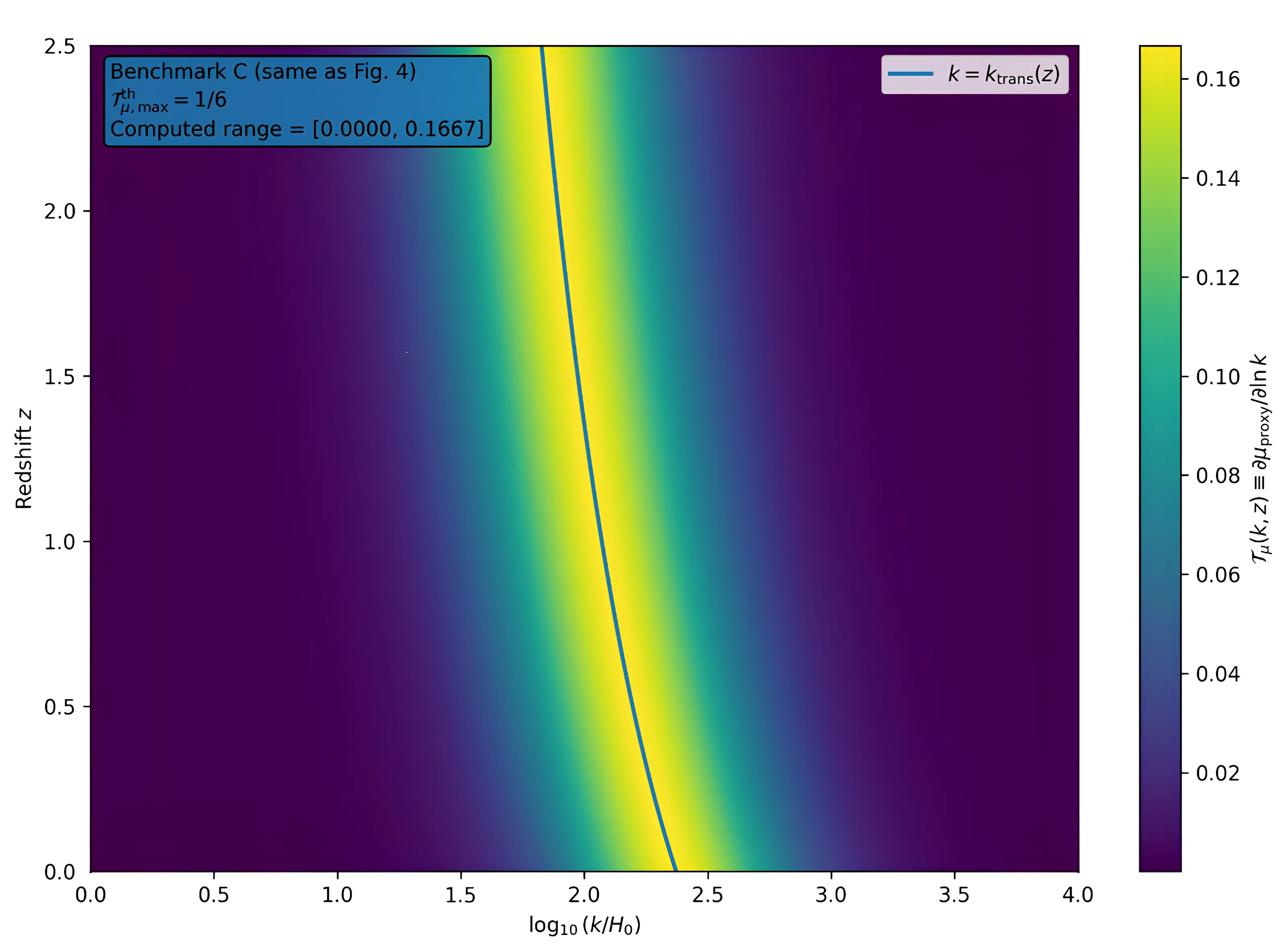
What does this change in practice? Gravity affects how galaxy clusters clump together and how light from distant objects bends around massive bodies. In the new model, these two effects change in tandem. So by observing light distortion and galaxy motions, we might spot deviations from the standard theory. The authors suggest using data from telescopes that measure both.
This approach is like tuning a musical instrument. Gravity is the string, and dark matter is the hand that slightly adjusts the tuning pegs. Ordinary matter doesn't touch the tuning, but dark matter changes the sound of the entire universe. If we can catch this difference in the 'melody' of the cosmos, we might understand what the invisible part of the world is made of.
The model is not just a theoretical toy. It makes concrete predictions for future sky surveys, such as measurements of weak lensing and galaxy distribution. If the data match the predictions, it points to new physics beyond the standard model. If not, it constrains the possibilities. Either way, dark matter becomes a little less dark.
Dark matter cannot be seen directly, but its presence is revealed by gravitational lensing, the distortion of light from distant galaxies.