How to Catch Microplastics with Twin Light express
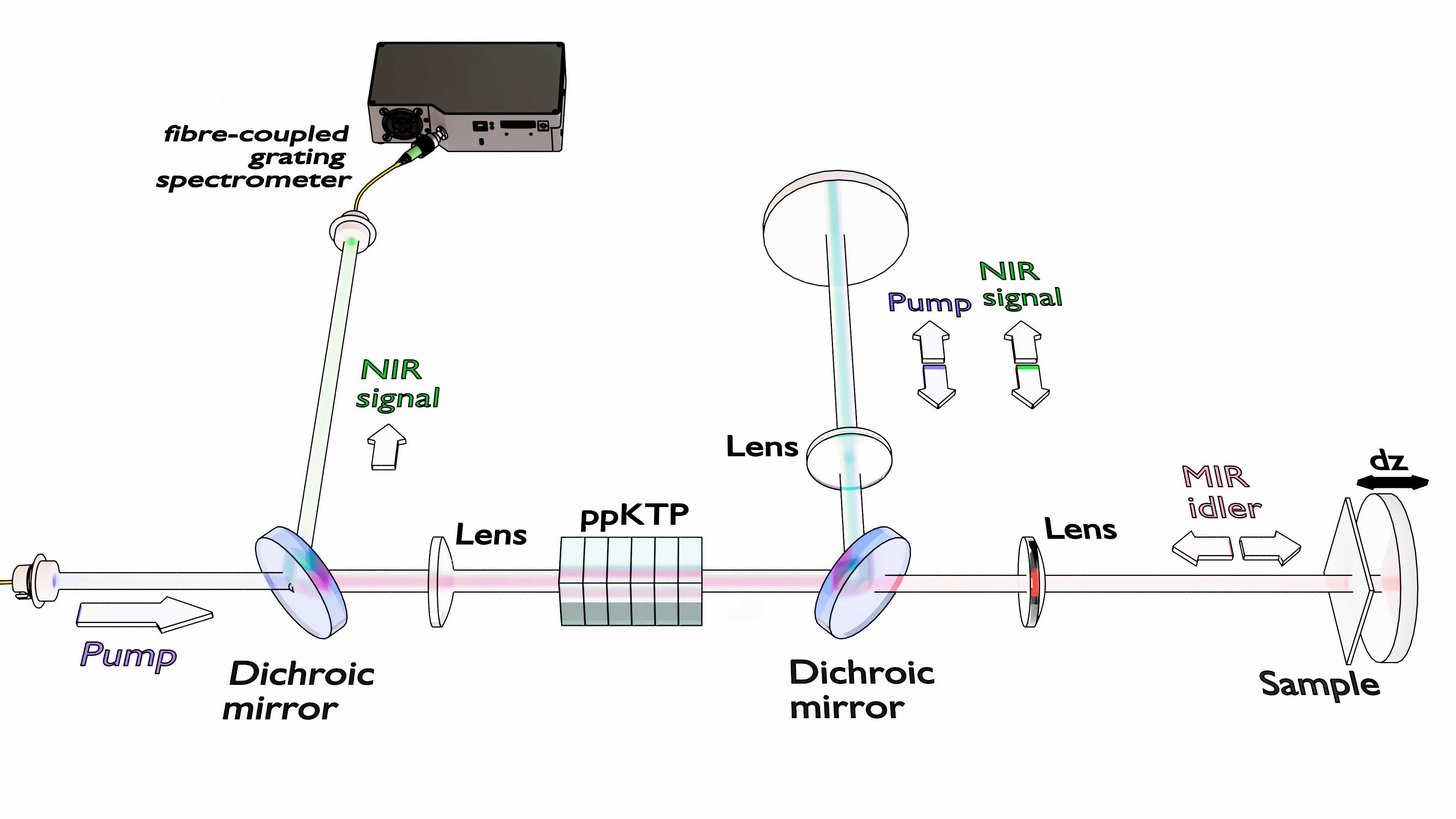
Microplastics are found even in mountain glaciers and food. Conventional spectroscopy, analysis by light, required expensive detectors for invisible infrared radiation. The new method sidesteps that: the device creates a pair of light twins. One twin (infrared) makes plastic molecules, chains of carbon and hydrogen, vibrate like guitar strings. The second (visible) reads those vibrations and passes the picture to an ordinary camera — the kind in every smartphone. By tracking changes in signal brightness, the detector instantly distinguishes plastic from a wrapper or bottle. The fist-sized gadget delivers 100 measurements per second without nitrogen cooling or bulky lasers. Soon, pocket analyzers will test stream water right on the spot.
Every liter of bottled water contains about 240,000 microplastic particles on average — twice as many as tap water.
A real-life tricorder from Star Trek: it figures out what an object is made of in a second.