Why the Proton 'Lost Weight' and Then 'Gained It Back' express
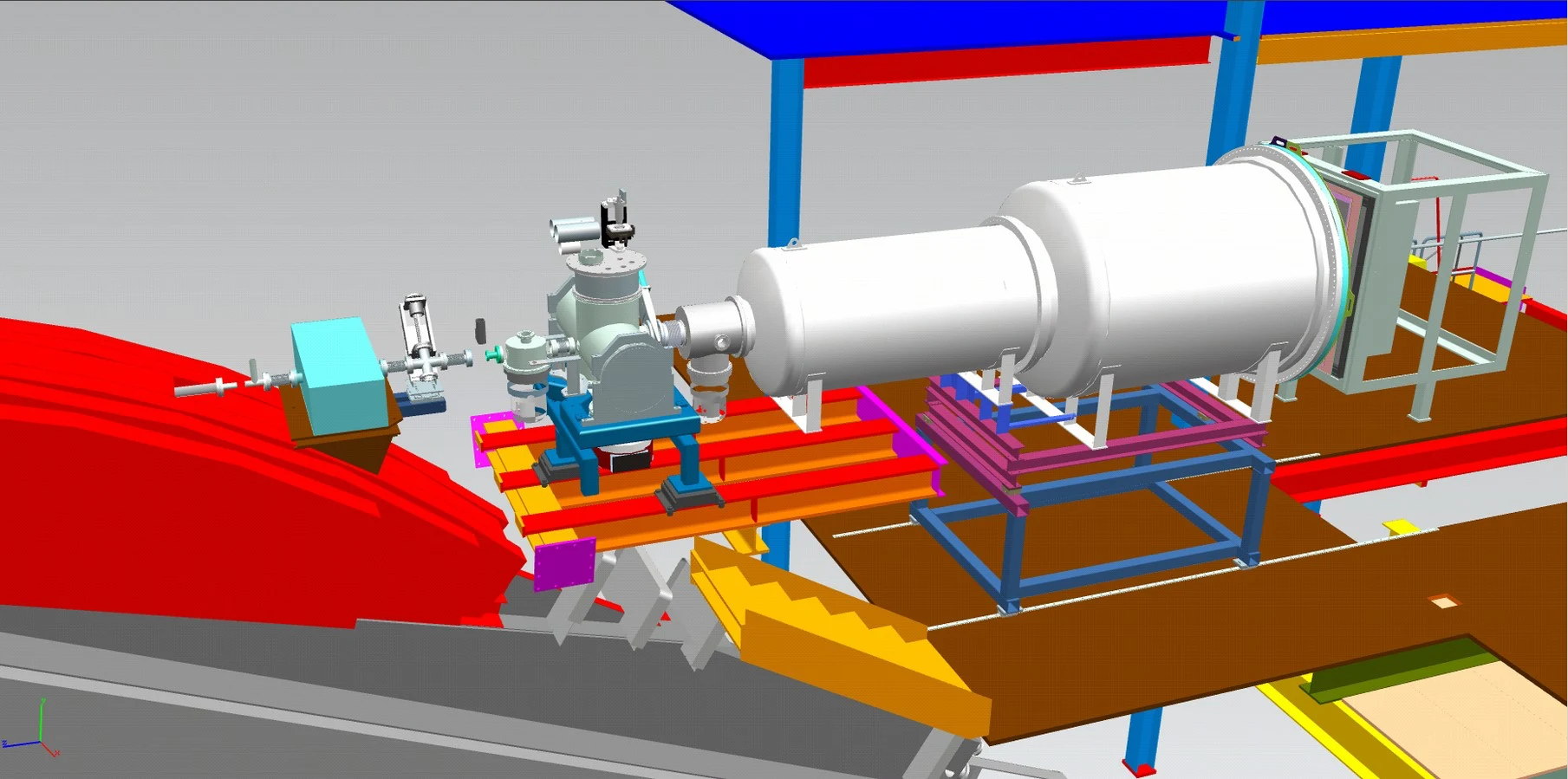
To uncover the proton's true size, physicists swapped the electron in a hydrogen atom for its heavy copy — the muon. Acting like a magnifying glass with thousandfold power, the muon gets right up against the nucleus and 'probes' the proton with unprecedented precision. Spectral analysis revealed the proton to be roughly 4% smaller than earlier experiments with ordinary electrons suggested.
This challenged the Standard Model and its principle of lepton universality — the notion that all light particles follow the same electric laws. Two different magnifying glasses seemed to paint conflicting pictures of a single object.
But re-examining the old data exposed a flaw. The electron-based 'magnifying glass' harbored an unnoticed error: it slightly distorted the image. After recalibration, both glasses agreed on the same size. The puzzle dissolved; physics stood firm.
The muon decays in 2 microseconds. Light travels only 600 meters in that time. Yet it's enough for muonic hydrogen to yield the most precise proton size measurement in history.