Death of a Black Hole: Not Disappearance, but a Tear in the Fabric of the Universe ✛ ✎ ✦
A black hole is like a fabric stretched to its limit, holding everything around it. Stephen Hawking showed that it still loses mass: particles slip away like threads from a worn-out cloth. It seemed the finale would be quiet, just a disappearance.
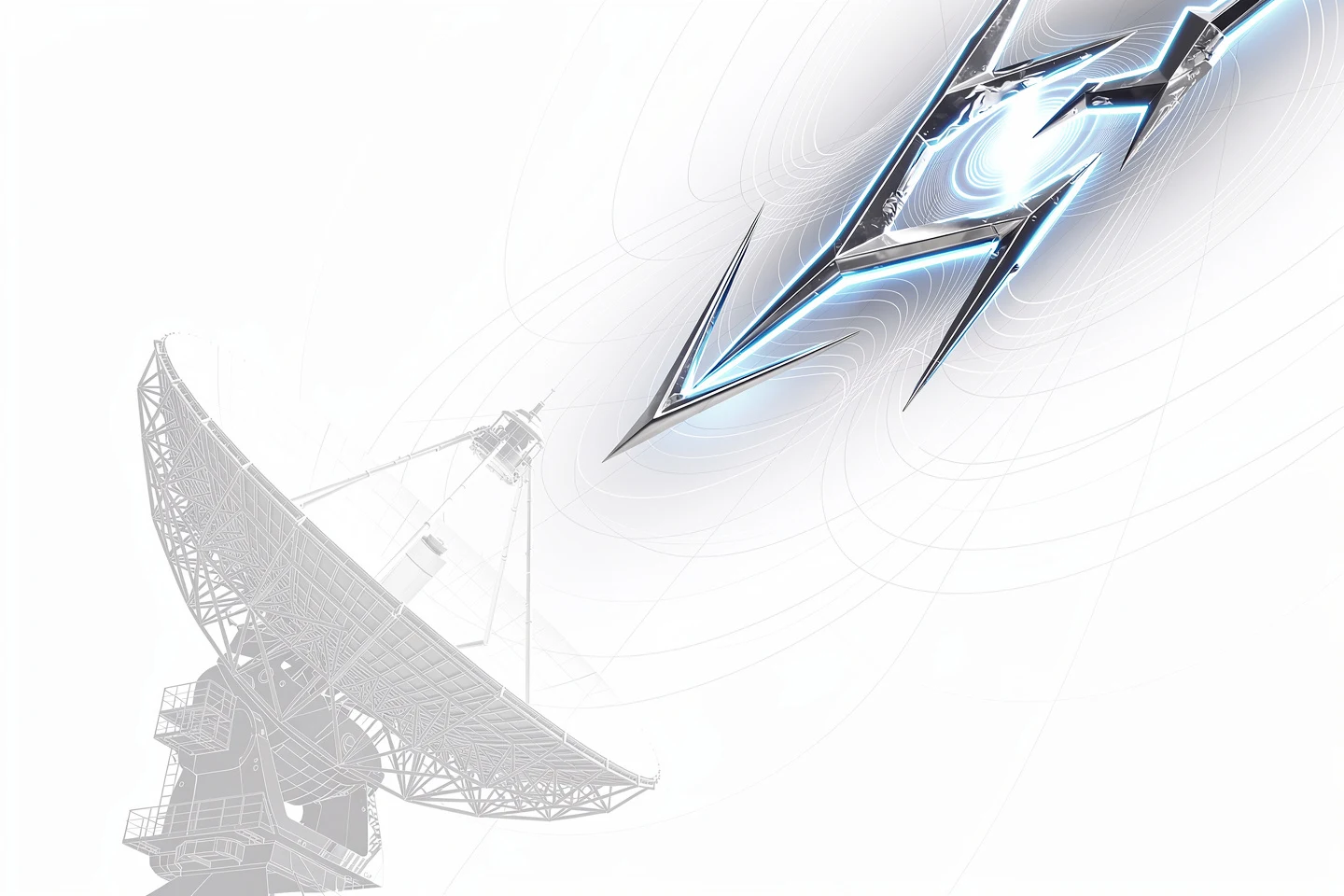
But a computer simulation revealed a catastrophe. When the hole runs out, the fabric of spacetime doesn't smooth out but rips apart. An instantaneous rupture — a 'thunderbolt'—travels at the speed of light, tearing even calm regions. This is not a silent fading but a cosmic rending.
Hence, our theories break down at the very edge. The debate over the fate of information that falls in remains unresolved — perhaps a future theory will bring the answer. The irony is that Hawking introduced the term 'thunderbolt' in 1993 as a hypothetical quirk, and today modeling confirms its inevitability. Incidentally, Bekenstein already guessed that a black hole has entropy (a measure of disorder), and Unruh developed similar ideas.
Hawking coined the term 'thunderbolt' in 1993 as a hypothetical curiosity, not believing it was real; modeling proved otherwise.