Pulsars Hunt Dark Matter: What the Search Revealed ✎ express
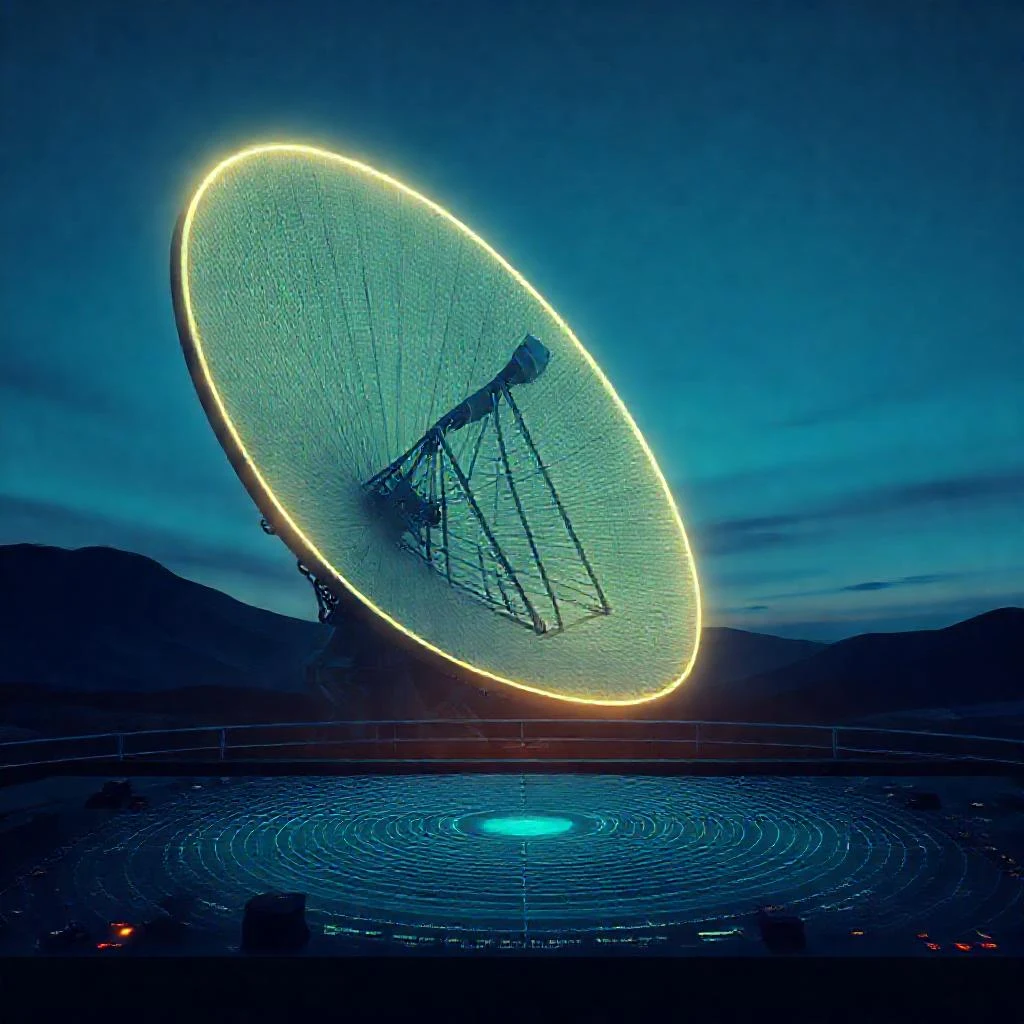
The universe is full of invisible stuff — dark matter. We feel its gravity, but what is it made of? Perhaps it’s an ocean of ultralight particles, so tiny in mass that they act more like waves than particles. To sense this cosmic ripple, scientists turned to the most precise beacons — pulsars.
Pulsars are the remains of massive stars, crushed to city-size and spinning hundreds of times a second. Their radio beams pierce space with the regularity of atomic clocks. If a wave of dark matter washed through them, that flawless beat would falter.
Years of observation found no deviations. But for the first time, limits were set for two such forms of matter: ultralight particles and dark photons.
Ultralight dark matter particles are billions of times lighter than an electron — so small that their behavior resembles waves more than familiar particles.