Dark Matter Sculpts Black Holes express
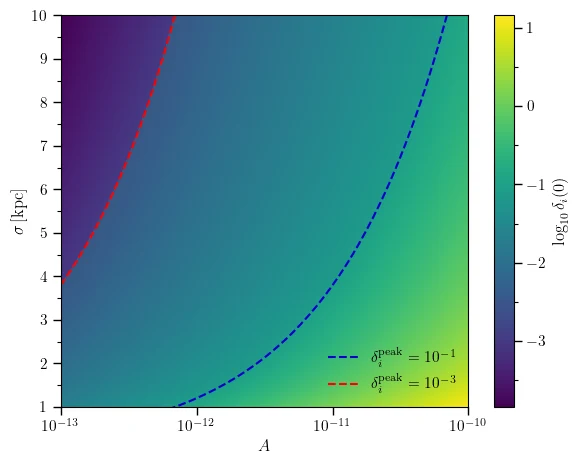
Just a few hundred million years after the Big Bang, in the ocean of invisible dark matter, giant black holes were already taking shape. They were born from the matter itself — without any help from stars. This mechanism, based on the equations of Lemaître, explains their early appearance. The main secret is the shape. Only smooth, broad clumps, like a gentle hill, can collapse into a hole. Sharp peaks or irregular bumps simply fly apart. In the right spot, spacetime curvature becomes so strong that matter falls in uncontrollably. Calculations show: these collapse events happened when the Universe was between one and three billion years old, producing holes with masses of thousands to millions of suns. This explains where supermassive black holes came from just a billion years after the Universe's birth. A surprising twist: the fate of the collapse — whether it collapsed into a point, stretched into a thread, or flattened into a pancake — depended on the tiniest motions of matter. This 'dance' of dark matter also shaped the future galaxies, because these newly formed holes became the seeds around which the familiar star systems later grew.
The very first black holes were born not from dying stars, but directly from invisible dark matter. Gravity triggered their collapse — and for that, just the right 'hilly' shape was enough.