A Detector That Can Hear the Universe's Whisper express
The universe is constantly sending us signals, but many are too faint to notice. Relic neutrinos, particles left over from the Big Bang, pass through Earth by the billions every second, yet catching even one is a feat on the edge of possibility. We need a detector that can sense energy a thousand times smaller than what it takes to move a speck of dust.
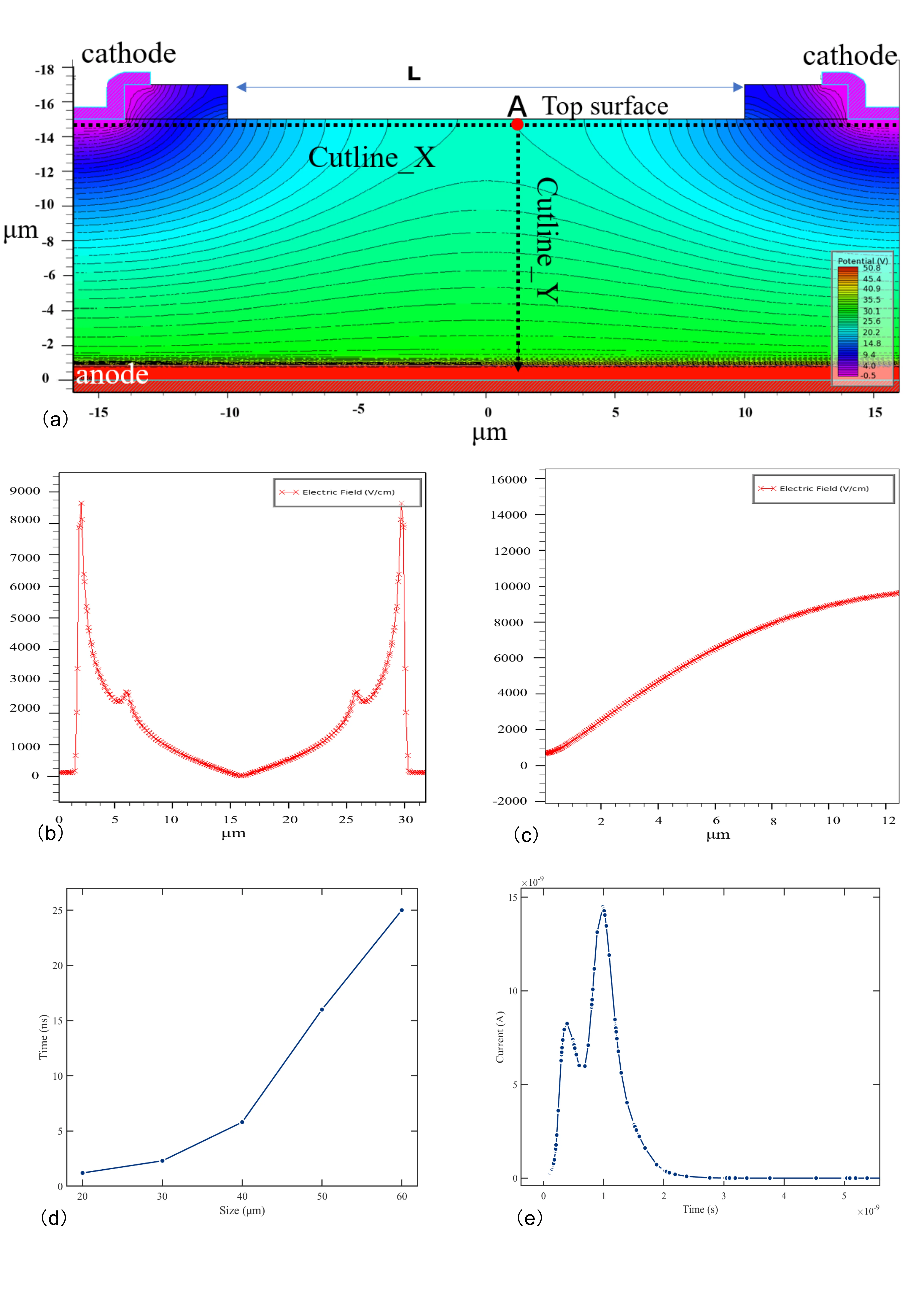
The new device, SuperEM, works like an ear tuned to a whisper. First, a superconducting plate absorbs a particle and converts its energy into a swarm of quasiparticles, like ripples on water from a falling drop. Then these quasiparticles tunnel through an ultra-thin insulating layer into a semiconductor, where a strong electric field accelerates them like an avalanche in the mountains. Each particle triggers a cascade of electrons that the device records in 35 nanoseconds — faster than a lightning flash.
If the device works, astrophysicists will for the first time see relic neutrinos, like finding a photograph of the universe when it was one second old. It will also help search for light dark matter, which might be hiding right under our noses.
Relic neutrinos have been traveling toward us since the universe was one second old — billions of times older than the light from stars.
In Stanislaw Lem's novel "Solaris," the ocean reacts to neutrinos, a new detector could make such communication a reality.