A short flash of light hits a graphene sheet, and at the point of impact, an energy gap momentarily opens, as if a pocket were cut into a continuous fabric.
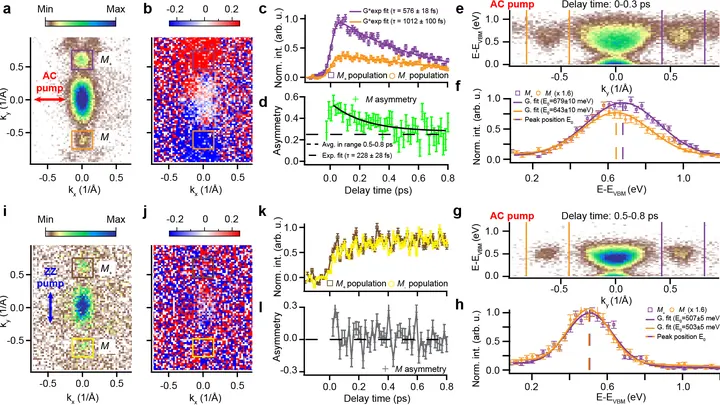
An ordinary sheet of black phosphorus looks like a layered cake of atoms. If you shine a regular lamp on it, nothing special happens: the electrons sit still, like spectators in a dark theater. But a short laser flash lasting millionths of a billionth of a second shakes up that theater.
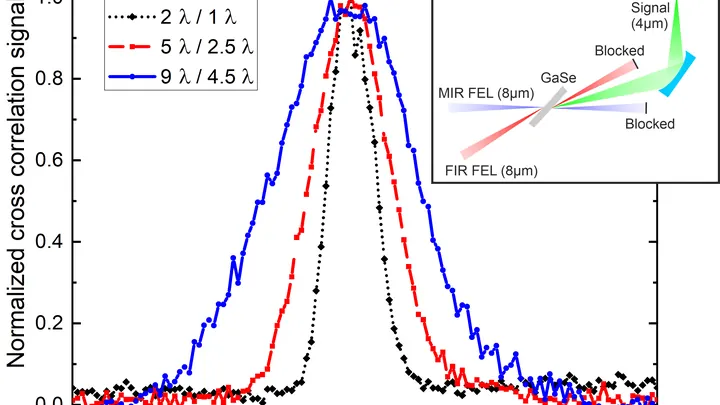
The infrared laser at the Fritz Haber Institute now works like a conductor with two batons. Previously, it produced a single beam in the mid-infrared range, where molecules vibrate.