A Galaxy That Slept for Half a Billion Years express
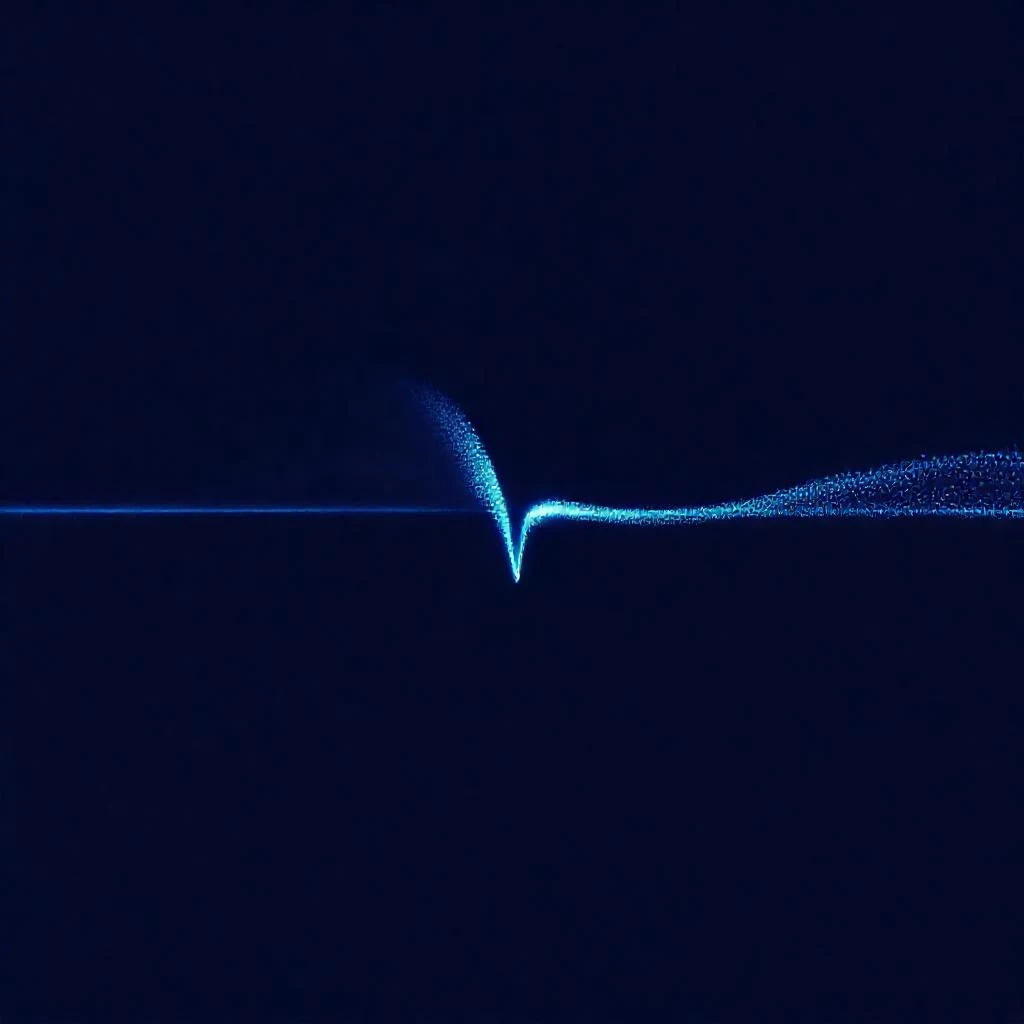
The James Webb Space Telescope looked back to a time when the universe, just after the Big Bang, was only a billion years old, and found the 'Sleepy' galaxy. Unlike its neighbors, which shone with young stars, it looked tired and dim.
Splitting light into its colors, scientists realized: in its first 300 million years, Sleepy blazed to life, piling up a mountain of stars, and then fell asleep for half a billion years. This slumber left a mark — a hydrogen dip in the glow, a sharp cutoff in the spectrum. It turned out to be three times stronger than in any other galaxy of that era, like the echo of a suddenly cut-off scream.
The discovery flips the script. Previously, it was thought that bright early galaxies inevitably grow into giants. Sleepy, instead, became a dim dwarf, and perhaps the majority of these 'expectation-defying' sleeping beauties exist.
By today, Sleepy would have become so dim that no modern telescope could see it — half a billion years of slumber have made it nearly invisible.