Dust Grains in Space: Why They Hum Differently Than Expected express
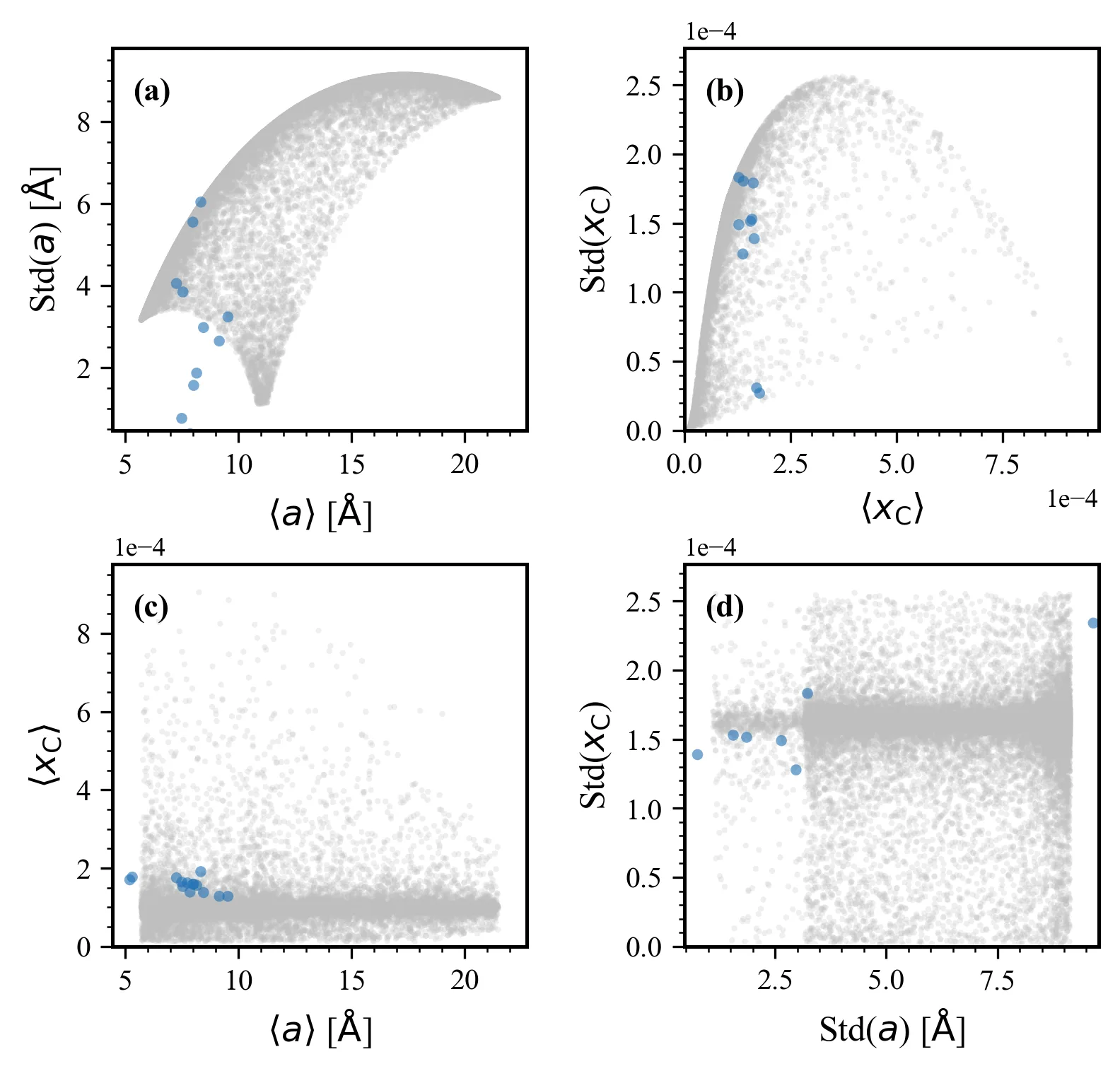
Cosmic dust isn't dirt: it's tiny grains, like soot from a campfire, scattered between the stars. Some of them spin at breakneck speeds, millions of times per second, emitting faint radio waves. Astronomers call this anomalous microwave emission: it interferes with studies of the early universe, but it's also a mystery in its own right.
The authors of a new study tested what most affects the pitch and width of this radio voice. It turns out the key factors are grain size, shape, and the environment. In cold, dark gas clouds, everything matches observations. But in bright regions around hot stars, where hydrogen glows pink, there's a big discrepancy. It seems small grains there simply get destroyed — burned up like paper in a furnace. So the glow telescopes pick up actually comes from neighboring, calmer clouds.
To sort this out, the scientists propose a new analysis method: break the spectrum into components and use computer models to quickly match which set of grains could produce such a signal. It's like guessing how many violins and trumpets played from the sound of an orchestra.
Dust grains in space can spin up to a billion revolutions per second — faster than any human-made motor.