A Dimmer Reveals the Quantum Secrets of Light express
All light is made of photons — tiny particles. A simple detector merely notes whether they hit or not: it's like a light meter that says 'yes' or 'no'. For a long time, it was thought such a device couldn't distinguish a laser beam from quantum light — their signals seemed identical.
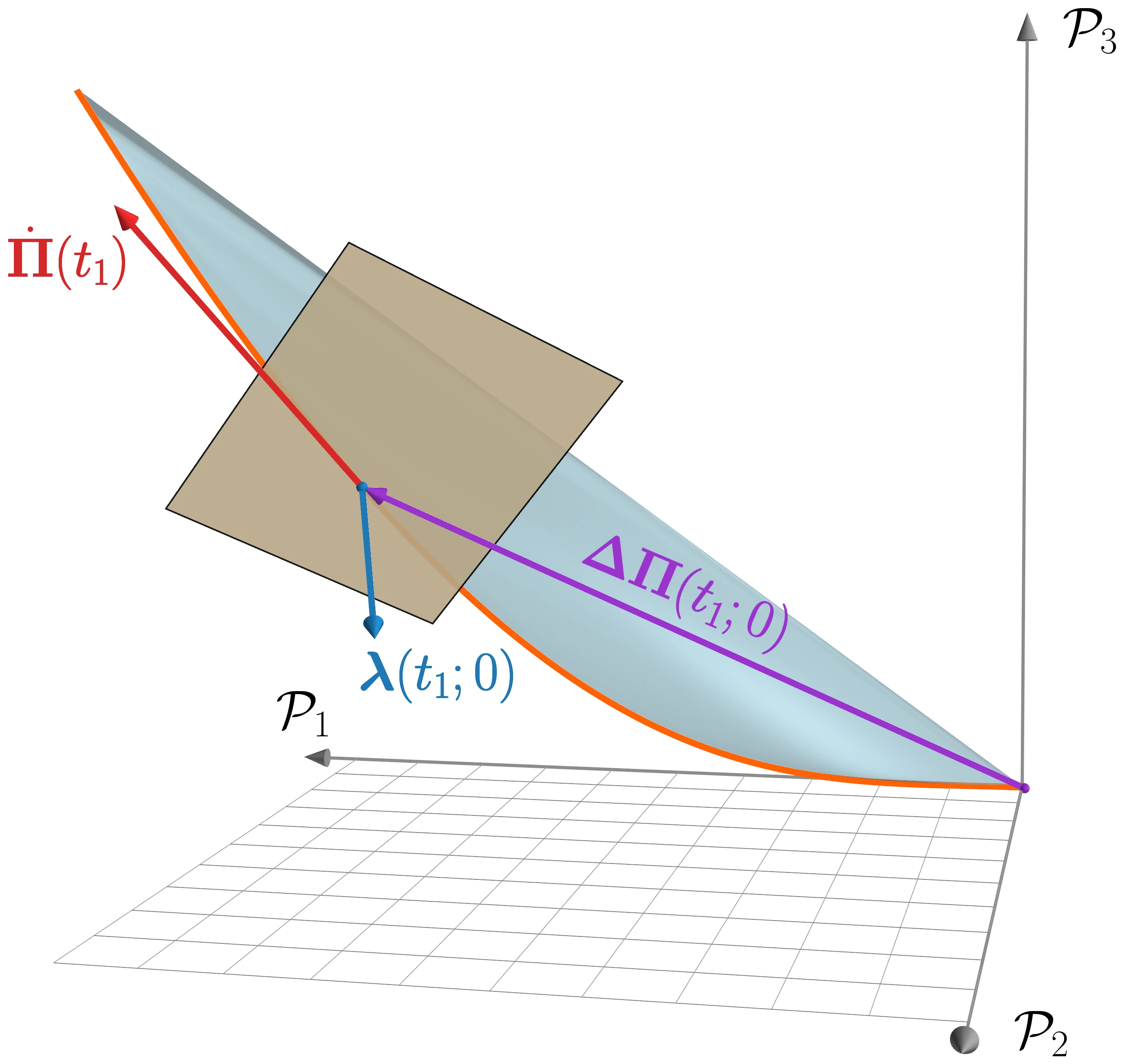
The solution: place an adjustable attenuator in front of the detector — like a dimmer. At different levels of dimming, classical and quantum light behave differently. Classical light is predictable: the stronger the attenuation, the fewer the flashes. Quantum light, however, brought a surprise: when heavily dimmed, the detector starts firing noticeably more often than expected. It's as if the particles push through the barrier together. This anomaly is a hallmark of non-classical behavior. Thus, a dimmer turned a blunt indicator into a keen spectroscopic probe.
Original abstract
as written by the authors arXiv:2601.13869
Any single on-off photocounter, which can only detect the presence or absence of photons without discriminating their number, is not capable of identifying nonclassical nature of light. This limitation arises because any photocounting statistics obtained with such a detector can be easily reproduced with coherent states of a light mode. We show that a simple modification of an on-off detector -- introducing controlled attenuation as a tunable setting -- enables such detectors to reveal nonclassical properties of radiation fields.
At maximum dimming, quantum light seems unwilling to vanish: the detector keeps stubbornly clicking away, revealing the source's mysterious nature.