A Tiny Diamond Caught a Quantum Signal and Twisted express
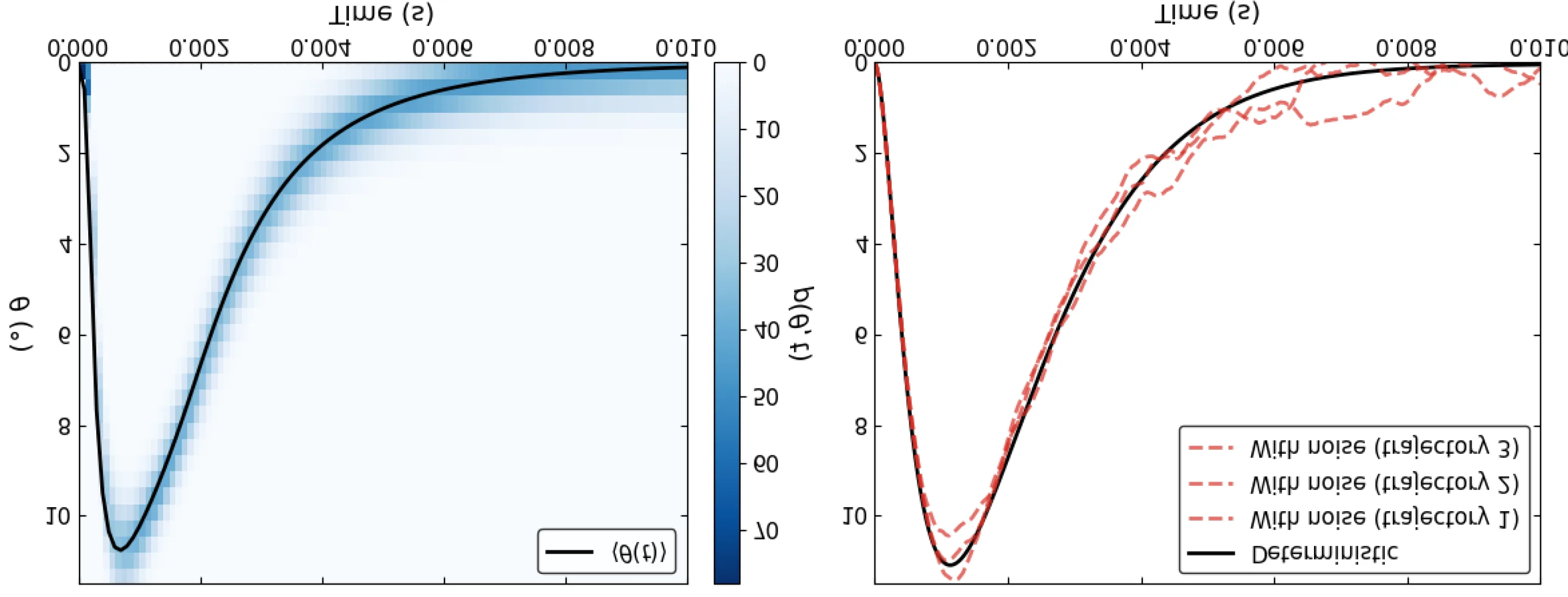
A tiny diamond hangs in the air, held by an electric field like a speck of dust in a beam of light. Hidden inside are defects — places where a carbon atom is replaced by nitrogen, with a vacancy nearby. These defects behave like little magnets that can be flipped with laser and microwaves.
When the magnets flip, they give the diamond a slight push. The push is minuscule, like an ant blowing on a soccer ball. But the diamond is so light and so well suspended that it's enough to make it rotate. The researchers saw this rotation by tracking the deflection of a weak laser beam.
This trick lets you read a quantum state not through complex electronics but through ordinary motion. In the future, it could lead to ultra-precise sensors and, possibly, tests of whether a large object can behave like a quantum particle.
The diamond in the experiment is smaller than a grain of sand, yet it contains a whole array of quantum magnets, like a city in a single drop.
It sounds like the sensors from Star Trek that detect the slightest changes in space.