Solar telescope catches the sky's twinkle express
By day in Chile's Atacama Desert, the air shimmers with heat like the haze above a hot skillet. Sunlight passing through this shimmer begins to dance and flicker. Astronomers call this airy trembling "seeing" — and it keeps telescopes from getting a sharp view of the stars.
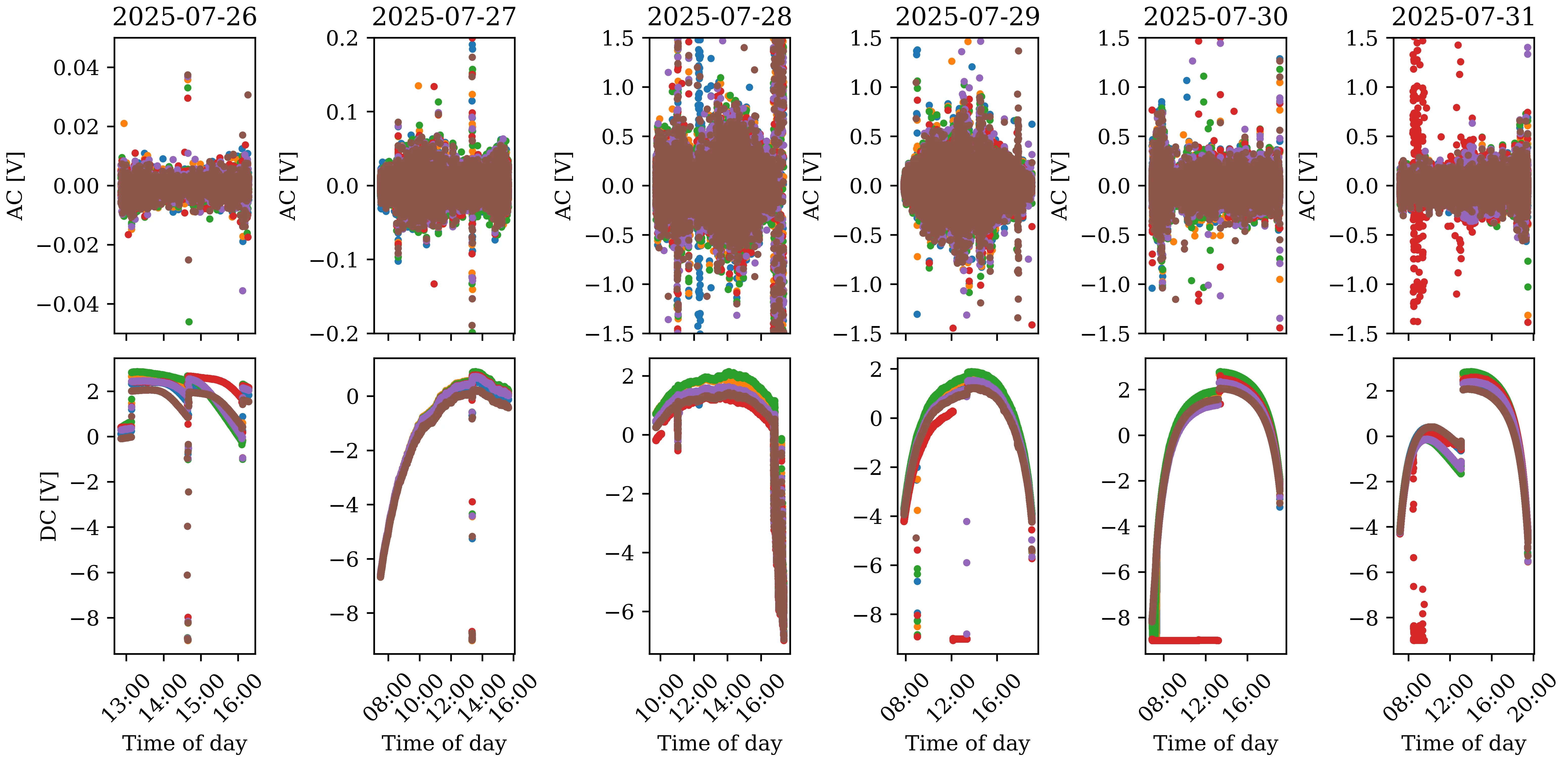
To fight this nuisance, engineers have built a special instrument — a solar seeing monitor. It sits next to the future PoET telescope at Paranal Observatory and, during the day, tracks how strongly sunlight trembles. The device can aim at any patch of the solar disk and measure the shimmer over areas from 1 to 55 arcseconds (that's like looking at a coin from a few kilometers away).
The seeing monitor's data will reveal the calmest hours and the optimal aperture size for the telescope to get the sharpest images. In this way, the sky's trembling turns from a nuisance into an ally: knowing it, astronomers can hunt more precisely for rocky planets around distant stars.
The twinkling of stars at night and the trembling of sunlight by day are the same phenomenon: the air in the atmosphere is constantly moving and bending light in different ways.
In Stanisław Lem's novel "Solaris," the planet's ocean shimmers and shifts shape — not unlike the way Earth's atmosphere makes the light of distant stars tremble.