How to Peer into the Heart of a Black Hole express
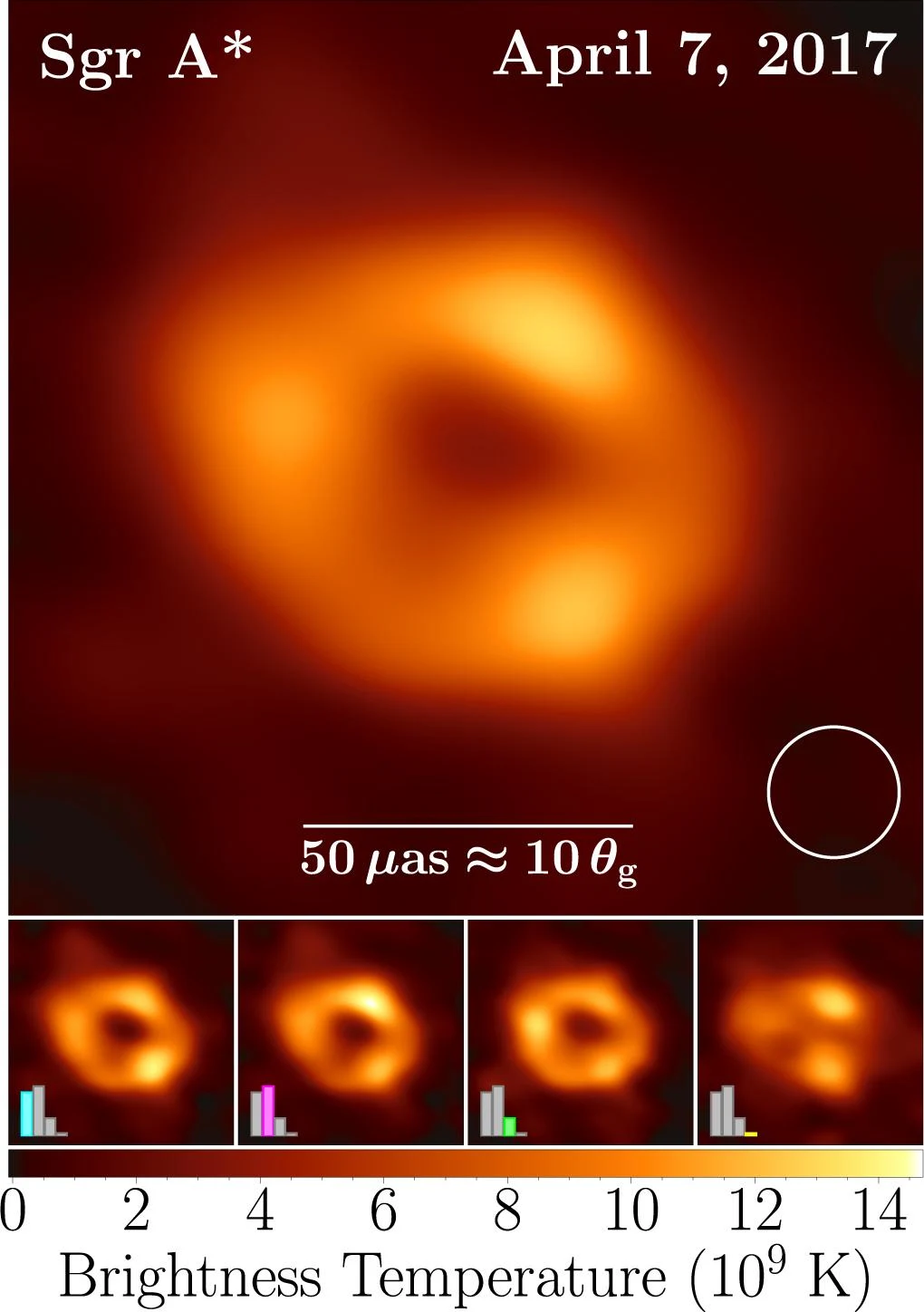
Einstein's theory of gravity explains how mass warps space and time. Its predictions have been tested near Earth, but the most grueling tests lie around black holes, where distortions reach their breaking point. Until now, astronomers saw them as blurry smudges on an underexposed photo.
The ALMA2040 project will give us a movie camera with mind-blowing sharpness: by linking radio dishes across the globe, we’ll be able to shoot the surroundings of a black hole at dozens of frames per second. This ‘film’ will reveal intricate details: how jets of particles, accelerated to near-light speed, are born, and how the very fabric of space-time trembles under monstrous weight. A departure from Einstein’s formulas by even a hair’s breadth will swing open the door to new physics.
The first-ever image of a black hole’s shadow (2019) was captured by linking eight radio telescopes across Earth — including ALMA. That planetary ‘eye’ glimpsed the invisible for the first time.
The visualization of the Gargantua black hole for Interstellar was built upon actual equations and ultimately helped scientists discover a new light-twisting effect.