Two Quantum Sensors Peek Inside a Living Cell express
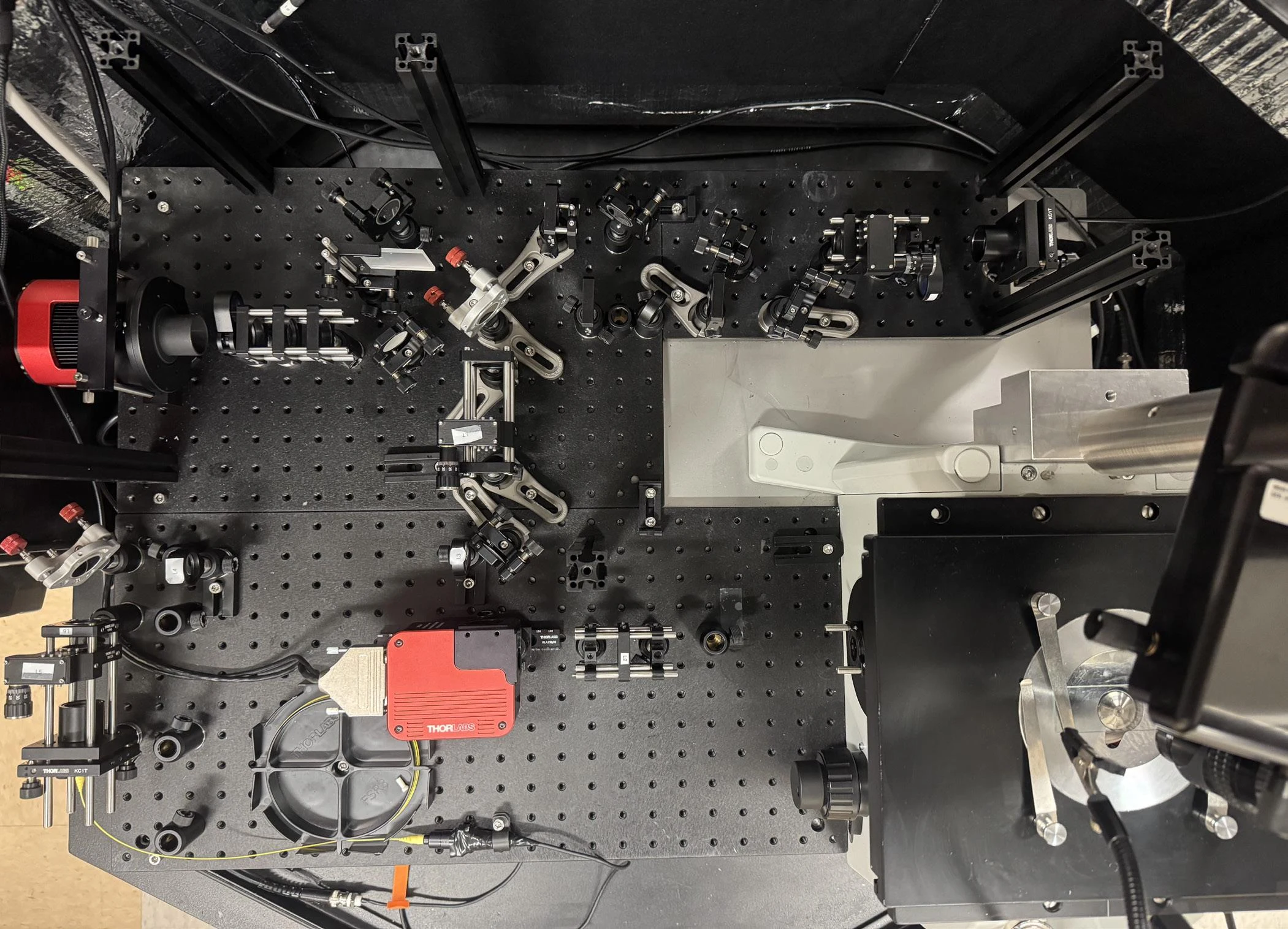
A living cell constantly emits faint magnetic signals, as if whispering. Scientists eavesdrop on this whisper with two microscopic 'microphones'—magnetic field sensors. One is crafted by nature (a protein), the other is a man-made diamond speck with a flaw (pure carbon) that turns it into an antenna.
The microscope interrogates both sensors in turn: it shines a blue beam on one, a green beam on the other (a technique of spectroscopy — working with color). The sensors respond with their own glow, which is measured with unprecedented precision: this is where photometry (the science of light pulses) comes in. Even the molecular chaos inside the cell (entropy, the measure of disorder) doesn't drown out these signals.
Two sensors in one cell create a stereo effect: just as two ears pinpoint sound more accurately, two sensors provide a three-dimensional picture. The technology, grown from experiments in quantum control by David Wineland, promises to monitor neurons and drugs. If quantum entanglement, the mysterious connection studied by John Stewart Bell, links the sensors in the future, precision will multiply.
Some proteins in the eyes of migratory birds can sense Earth's magnetic field, acting as natural quantum compasses.
Reminiscent of the medical tricorder from 'Star Trek': it peers into cells and deciphers their magnetic whispers.