Neutron starsuperfluidity is a quantum phenomenon occurring in the interior of neutron stars, where matter flows without any viscosity. This state arises because neutrons, being fermions, can pair up at extremely high densities and low temperatures to form bosonic Cooper pairs, which then condense into a superfluid. This is analogous to superconductivity in metals, but with neutrons instead of electrons. The superfluid state is crucial for understanding several observed behaviors of neutron stars, particularly their cooling rates and the sudden spin-up events known as glitches.
التاريخ
The concept was proposed in the late 1960s by Arkady Migdal and others, who suggested that neutron stars might contain a superfluid phase. The link to glitches was developed in the 1970s by theorists like Pines and Anderson.
كيف يعمل
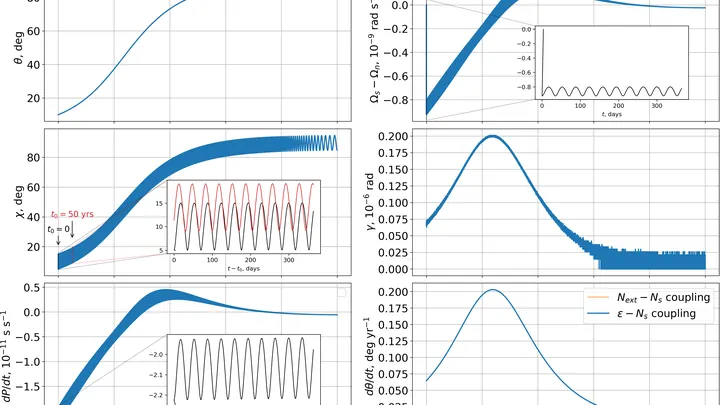
In a neutron star, the core is so dense that neutrons pair up via the strong force, forming a superfluid that can flow without resistance. When the star's rotation slows down over time, the superfluid's vortices (quantized whirlpools) can suddenly unpin from the crust and move outward, transferring angular momentum and causing a rapid spin-up — a glitch. This mechanism is similar to how vortices behave in laboratory superfluids, but on a cosmic scale. The superfluid also enhances neutrino emission, which accelerates the star's cooling.
في التطبيق
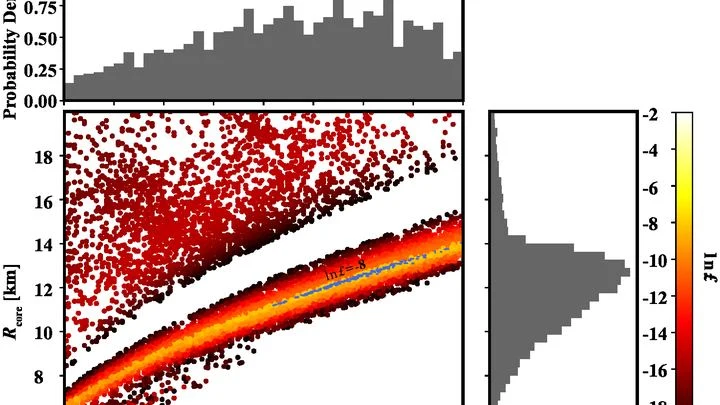
Understanding neutron starsuperfluidity helps astrophysicists interpret pulsar timing data and constrain the equation of state of dense nuclear matter, which is relevant for nuclear physics and gravitational wave astronomy.
حقيقة طريفة
A neutron star superfluid can rotate with thousands of tiny vortices, each carrying a quantum of angular momentum, and their collective motion can cause the star to 'glitch' — a sudden change in rotation period observed in pulsars like the Crab.
في أعماق النجم النيوتروني، حيث تكون المادة مضغوطة إلى كثافة النواة الذرية، تشكل النيوترونات سائلًا فائق الميوعة، بينما تشكل البروتونات موصلًا فائقًا. الدوامة النيوترونية هي دوامة كمية في السائل فائق الميوعة، تشبه دوامة مائية مصغرة لا يمكن أن تتوقف. أنبوب التدفق البروتوني هو خيط كمي من التدفق المغناطيسي، أنبوب رفيع يخترق المجال المغناطيسي من خلاله الموصل الفائق.
شطيرة صغيرة من الأكاسيد، تُنمّى طبقة فوق طبقة، تصبح موصلة تمامًا عند درجة حرارة حوالي 200 درجة مئوية تحت الصفر. هذه ليست خدعة، بل فصل جديد في البحث عن مواد فائقة التوصيل عند درجات حرارة عالية.
بعد الانفجار العظيم، وفقًا لعلم الكونيات التضخمي، شهد الكون توسعًا سريعًا وسلسلة من التحولات الطورية. في هذه الفترة، كما يعتقد المنظرون، قد تكون تجمدت عيوب طوبولوجية في نسيج الزمكان — أوتار كونية، جدران مجال، أحاديات قطب. استمر البحث عنها لعقود، لكن لا توجد أدلة مباشرة حتى الآن.
باطن النجوم النيوترونية مملكة من المادة المتحللة. هنا تنضغط البروتونات إلى مكثّف فائق التوصيل، تخترقه دوامات كمومية. تخيّل دوامات مغناطيسية دقيقة: كل منها تحمل كمّاً من التدفق المغناطيسي وتنزلق عبر السائل الإلكتروني. لفترة طويلة، تصورها علماء الفيزياء الفلكية كراكبي أمواج على قمة 'الأمواج الإلكترونية'.
في أعماق نجم منضغط إلى أقصى حد، تتصرف الجسيمات كأوتار آلة موسيقية غير عادية. تخضع اهتزازاتها لمعادلة معقدة ظلّت عصيّة على الحل الدقيق لنحو قرن من الزمان. تمكن مؤلفو العمل لأول مرة من حل هذه المسألة، إذ وجدوا حلاً دقيقًا للجسيمات الضخمة داخل نجم شفارتزشيلد (وهو كرة من سائل مثالي بكثافة ثابتة).
يكمن السر في تناظر خفي للمسألة.
قمة دوارة بحجم مدينة، تزن أكثر من الشمس وتدور مئات المرات في الثانية. هذا هو النجم النيوتروني — بقايا نجم منفجر. أحيانًا يتسارع دورانه فجأة، وكأن شيئًا ما تبدل في داخله. يطلق علماء الفلك على هذه القفزات اسم الانزلاقات النجمية، ويشتبهون في أن السبب هو دوامات غير مرئية في الحشوة فائقة الميوعة للنجم.
داخل النجم النيوتروني يشبه كعكة ذات طبقات.
سرب من اليراعات لا يتصادم تقريبًا، لكنه يغير لونه بشكل متزامن عبر تبادل الإشارات. هكذا تتصرف النيوترينوات في التدفقات الكثيفة من النجوم المنهارة: فهي تتحول جماعيًا من نوع إلى آخر، رغم أن تفاعلاتها الفردية ضعيفة للغاية.
قاعة مكتظة بالراقصين ينزلقون دون أدنى احتكاك — يمرون عبر بعضهم البعض دون أن يتلامسوا. هذا هو السائل فائق السيولة. في قشرة النجم النيوتروني، يمكن للنيوترونات أن تتصرف بهذه الطريقة، لكن شبكة صلبة من الأيونات تعيقهم — كما لو أن حلبة الرقص امتلأت فجأة بأعمدة كثيفة. كان يُعتقد عادةً أن الشبكة ثابتة تمامًا، وأن السيولة الفائقة تكاد تختفي.
حشد من الناس يستطيعون التحرك بحرية، لكنهم فجأة يبدأون في التصرف ككيان واحد — هكذا يمرر الموصل الفائق التيار دون مقاومة. في موصلات الكوبرات الفائقة (مواد أساسها النحاس والأكسجين) تتصرف هذه القدرة بشكل غريب: كثافة "السائل فائق السيولة" الذي ينقل التيار تزداد أولاً مع إضافة حاملات الشحنة (doping)، ثم تنخفض. وكأن الحشد يصبح أكثر تماسكًا، ثم يتفرق فجأة.
قمة دوّارة تدور وتتمايل قليلاً في نفس الوقت — هكذا، وفقًا لعلماء الفلك، يتصرف النجم النيوتروني في النظام الثنائي هرقل X-1. فهو يدور حول محوره مرة كل ثانية، لكن محوره يرسم مخروطًا ببطء بفترة 35 يومًا. مؤخرًا، قام المرصد الفضائي IXPE بقياس كيفية تغير استقطاب الأشعة السينية الصادرة عن النجم خلال هذه الدورة — ببساطة، اتجاه اهتزاز موجات الضوء.
النجم النيوتروني هو كتلة دوارة بكتلة الشمس مضغوطة إلى حجم مدينة. يولد في لهيب مستعر أعظم وعادةً ما يتباطأ دورانه فقط. لكن أحيانًا، وبدون سبب واضح، يتسارع فجأة - وتسمى هذه القفزة 'غليتش'. تصبح العديد من النجوم النيوترونية نباضات: فهي تصدر نبضات راديوية منتظمة، مثل منارات كونية.
وُضعت ورقة رقيقة من الغرافين بسمك بضعة ميكرومترات في مجال مغناطيسي ضعيف، فبدأت تطرده من داخلها، كما تطرد الإسفنجة الماء إذا عُصرت. هذا التأثير، المعروف باسم تأثير مايسنر (Meissner effect)، هو العلامة المميزة للموصل الفائق: مادة تنقل التيار الكهربائي دون فقدان.
في أبريل 2023، رصدت الأقمار الصناعية اليابانية توهجاً فائق القوة بالأشعة السينية على النجم النيوتروني MAXI J1752–457. برد النجم في 4 أيام — أسرع بخمس مرات من المعتاد. كما لو أن أحداً فتح نافذة كونية.
هذه النافذة فتحتها 'عملية أوركا' النووية. في محيط من النوى الذرية بسمك مئات الأمتار، تتبادل البروتونات والنيوترونات الإلكترونات مولدّةً النيوترينوات.
في العالم الكبير المألوف لدينا، أي حركة تخمد حتمًا: يتدخل الاحتكاك، وهو عملية تبديد (dissipation) تشتت الطاقة. لكن الواقع الكمومي يقدم مفاجآت. ظاهرة السيولة الفائقة، المعروفة مثلًا في الهيليوم عند درجات حرارة منخفضة للغاية، تسمح للسائل بالتدفق دون مقاومة لزوجة، وكأنه نسي الخسائر إلى الأبد.
يشبه الحاسوب الكمومي أوركسترا حيث يجب على كل عازف أن يعزف بتناغم تام. إذا أخطأ أي آلة، تنهار اللحن. في هذا التشبيه، تلعب البتات الكمومية فائقة التوصيل دور العازفين، و«خطؤها» هو فقدان الترابط الكمومي. لطالما بحث العلماء عن مصدر الاضطرابات، وأحد الأسباب مختبئ في المادة نفسها التي صنع منها البت الكمومي.
الموصل الفائق يشبه مدينة يتوقف فيها الإلكترونات عن التزاحم ويبدأون في التحرك كأزواج، مثل أشخاص يسيرون يدا بيد. في نيكيلات النيوديميوم-سترونشيوم (Nd₀.₈Sr₀.₂NiO₂)، يحدث هذا "الاستعراض" عند درجة حرارة حوالي 10 كلفن (أي 263 درجة مئوية تحت الصفر)، ولكن ليس بشكل موحد في كل مكان.
الفضاء الفارغ ليس ساكناً أبداً. إنه يعج بتقلبات طاقية صغيرة - مثل الطين الخام في يد النحات. في تجربة جديدة، وُضعت طبقة رقيقة من مادة فائقة التوصيل داخل تجويف صُمم لاحتجاز ضوء تيراهيرتز، وهو شكل من الإشعاع غير المرئي. عمل التجويف كقالب، شكّل تقلبات الفراغ حول الطبقة. حتى بدون أي ضوء، نحتت هذه التقلبات الحالة الداخلية للموصل الفائق.
ظلّ أورانوس ونبتون يحيران علماء الكواكب لفترة طويلة: فمجالاتهما المغناطيسية تميل بشدة عن محور الدوران وتتميز ببنية متعددة الأقطاب معقدة، لا تشبه إطلاقًا ثنائي القطب البسيط نسبيًا لمجال الأرض. يكمن الحل في طور غير عادي من الماء — وهو الجليد فائق الأيونية، الذي وفقًا للنماذج يملأ أعماق هذين العملاقين الجليديين.
الجسم فائق الصلابة هو جليد يتدفق. مثل بركة مغطاة بقشرة، لكن بعمق سائل دون احتكاك. عادةً، تُنشأ هذه القشرة بتغيير خصائص السائل في كامل حجمه. وجد فريق من الباحثين في الهيليوم طريقة أبسط: جعلوا السطح يهتز بموجات خاصة، فاكتسب السائل بنفسه «جلدًا» صلبًا.
اتضح أن الاهتزازات لم تكن مجرد تموجات، بل دوامات كمية — روتونات، كشف عن طبيعتها فاينمان.
المادة المظلمة هي الهيكل الخفي للكون، الذي كشفت عن وجوده دوامات المجرات منذ زمن فريتز زفيكي وفيرا روبين. وظل تكوينها لغزاً طيلة نصف قرن.
ترسم الفرضية الجديدة صورة غير مألوفة.
الانبعاث الفائق (superfluorescence) هو "زفير" ضوئي متزامن من البلورة، حيث تنبعث الفوتونات من العديد من الجسيمات المثارة في وقت واحد. وقد رصد الباحثون مؤخرًا لأول مرة صورته المرآتية: الامتصاص الفائق (superabsorption) — وهو "شهيق" منسق تبتلع فيه البلورة الضوء بشكل جماعي، وكأن الزمن يعود إلى الوراء.