Betelgeuse Is Not Alone: A Stellar Companion Found express
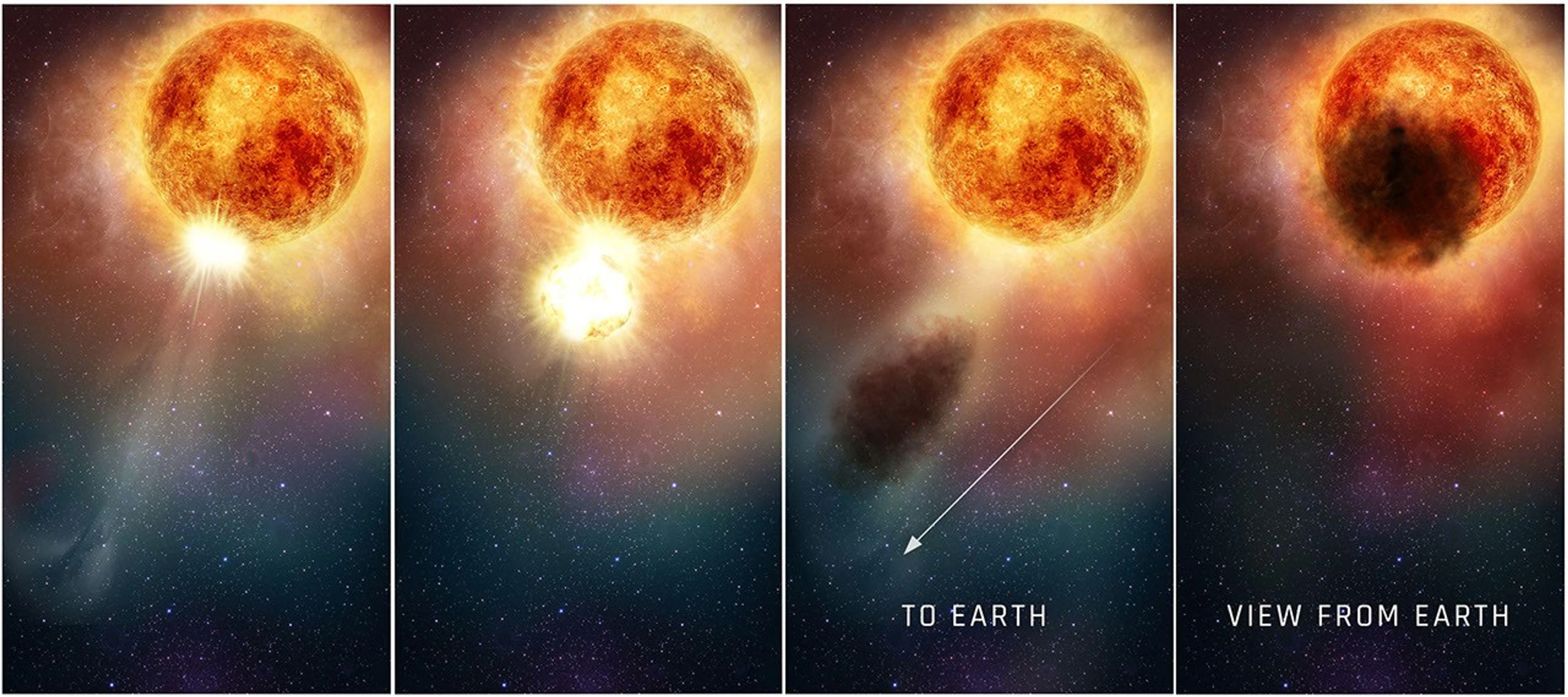
In 2019, Betelgeuse suddenly dimmed, sparking rumors of an imminent explosion. But clouds of cosmic dust turned out to be the culprit. Now, the Gemini North telescope has discerned a minuscule companion star in its dazzling glare, just as calculations had predicted.
Betelgeuse is like a stadium floodlight, and its companion is a firefly flickering right in the beam. It’s 250 times fainter, but astronomers managed to measure its position and the difference in brightness. The match with theory was impressive.
The proximity explains long-standing oddities of the giant. Crucially, the companion orbits Betelgeuse in just a few years. This swift dance not only pushes back a possible supernova explosion, but also gives us a chance to keep tracking the pair. The next observation is set for November 2027.
Unofficial names for the companion are Betelbuddy or Siwarha. Its full orbit around Betelgeuse takes just a few years — by cosmic standards, a very brisk dance.