Radio signal from space rang like a bell: rhythmic fading detected express
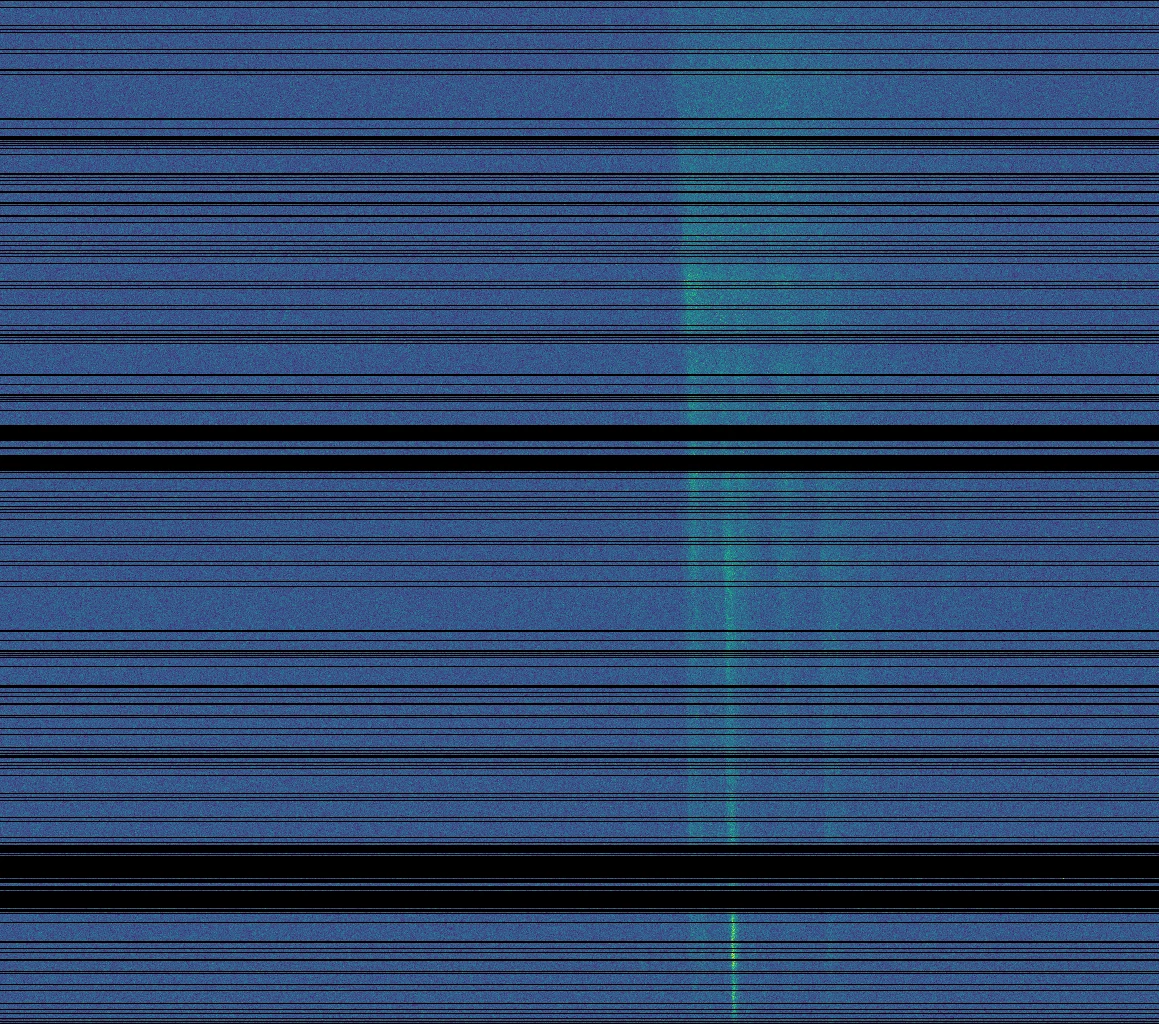
Short, powerful bursts of radio static from deep space have long puzzled scientists. Their source is believed to be the ultra-dense cores of dead stars, where magnetic fields are unimaginably strong. Now, in the signal FRB 20190122C, an unexpected structure was caught: eight pulses separated by a millisecond, with brightness fading exactly like a bell's ring after being struck. This series has been dubbed a damped quasi-periodic oscillation.
It gives away the vibration of the magnetic cocoon around the stellar remnant, as if it's trembling rather than rotating. From this trembling, scientists deduced the magnetic field and spin, all pointing to a young neutron star. Moreover, the signal's frequency doesn't drift, which rules out the merger of two bodies. This is the first detection of fading rhythms in such bursts. Remarkably, the oscillations turned out to be a thousand times faster than the nimblest pulsars, as if the bell doesn't hum but rather screeches and instantly falls silent.
Some neutron stars spin hundreds of times a second — faster than a blender. Their radio beams sweep past us like lighthouse beams, earning them the name pulsars.
In Carl Sagan's 'Contact,' a mysterious radio signal becomes the key to alien intelligence. Real fast radio bursts have yet to reveal their nature, remaining a favorite plot device for sci-fi writers.