Spy Atoms Catch Weak Signals express
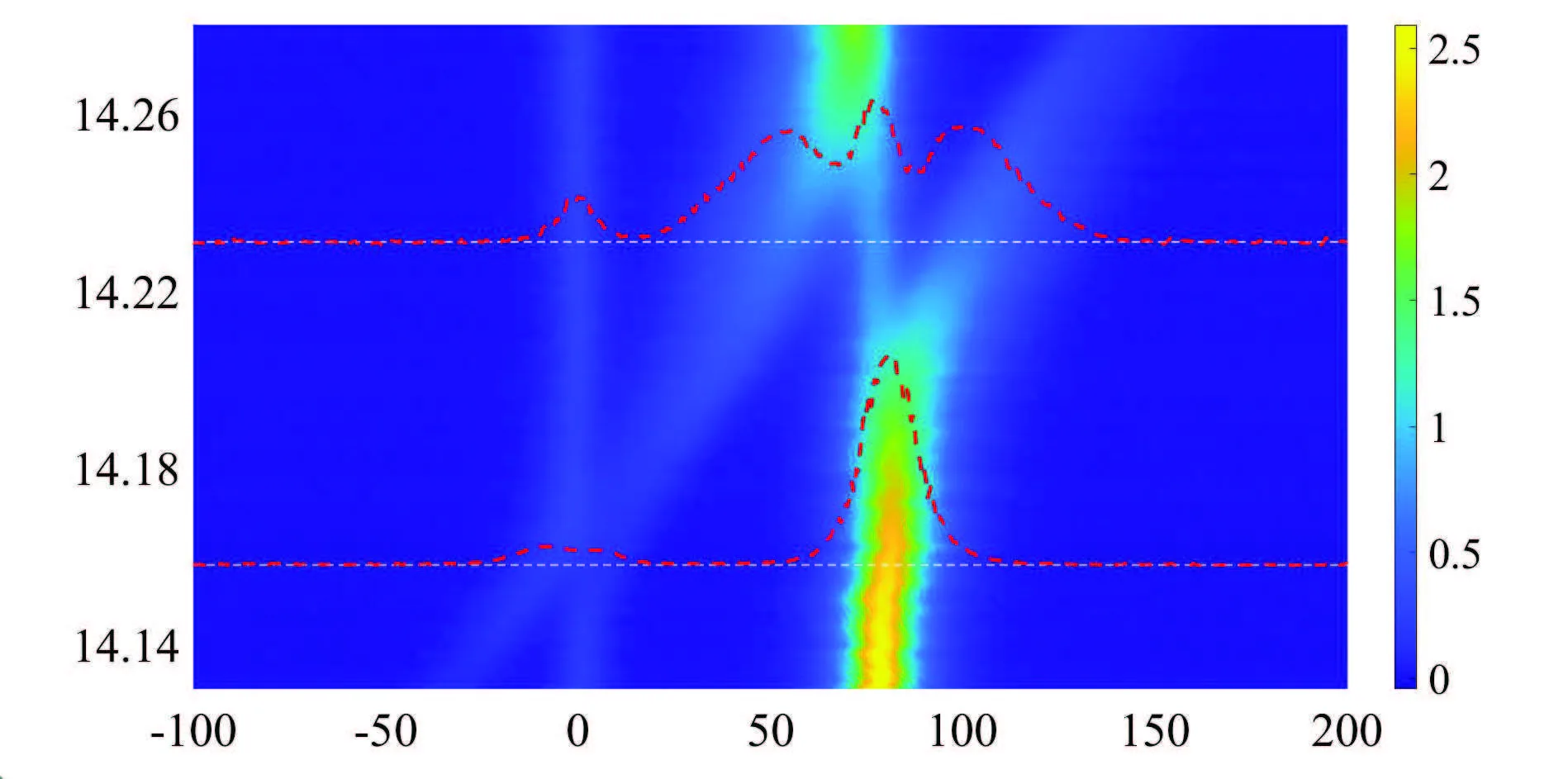
A regular radio receiver picks up waves with a metal antenna. Here, the antenna is a single atom with an electron boosted to a distant orbit, like a satellite in a high orbit around Earth. Such atoms are called Rydberg atoms. A weak microwave field acts on that distant electron, and the atom's spectrum shows a double line, as if a single string suddenly sounded two notes at once.
The scientists aimed two lasers and a microwave signal at a cloud of these atoms. By looking at the splitting of the spectral line, they learned to determine both the frequency and the field strength at the same time. Adding a second microwave tone, they achieved sensitivity below a microvolt per centimeter, like hearing a whisper against a roar. The sensor works up to 3 GHz, meaning it catches signals from radio waves to microwave ovens.
Such a sensor could be used for precise checks of electric fields in labs, medicine, and communication technology. It needs no calibration for each frequency and isn't afraid of strong fields. It's a step toward standard measurements where atoms serve as a ruler for electricity.
A Rydberg atom can be thousands of times larger than a normal one: its electron flies so far that the atom becomes the size of a bacterium.