A Cold Detector and Extra Signals express
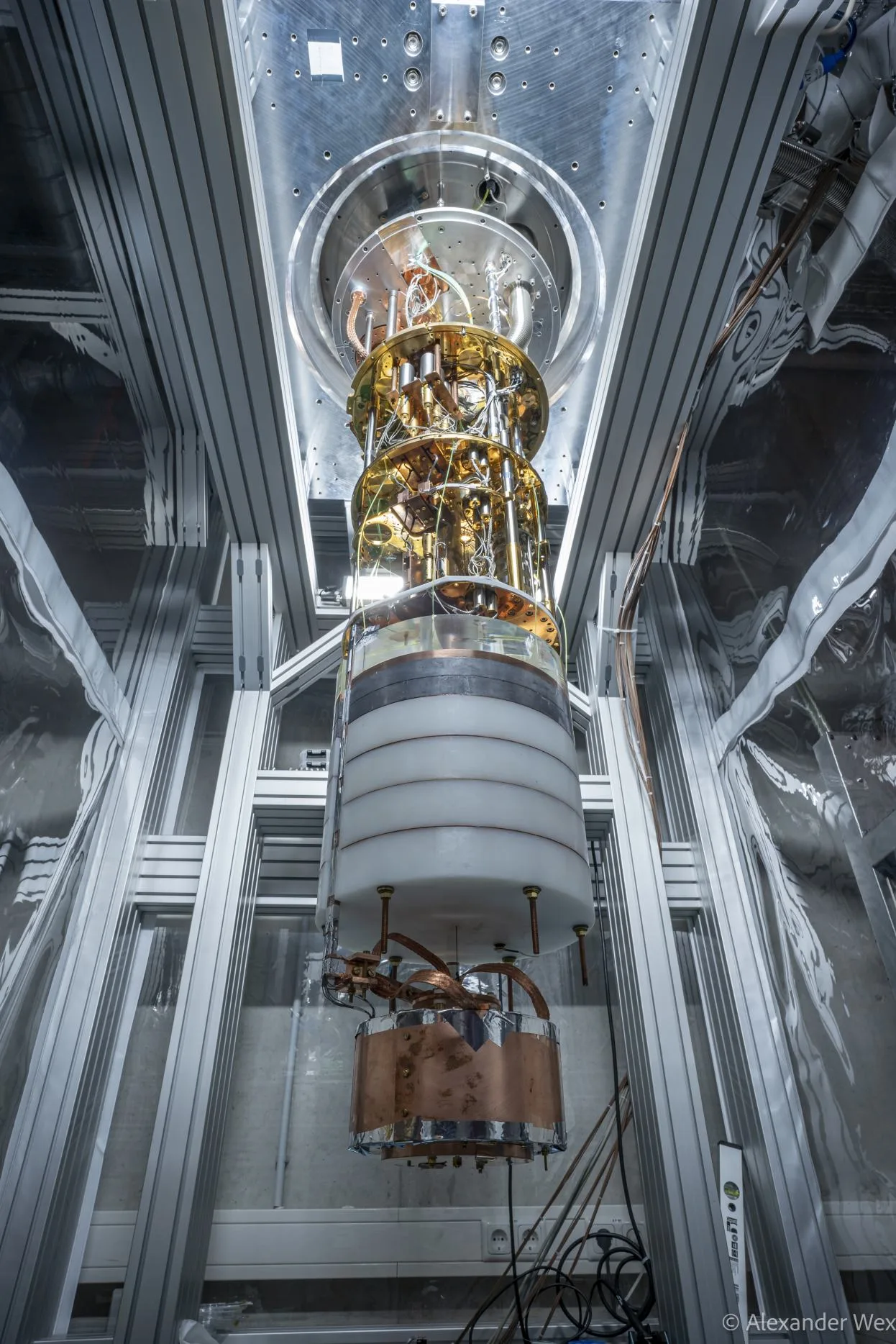
In a dark chamber where the temperature sits just four degrees above absolute zero, a sapphire crystal the size of a grain of rice lies waiting. When a neutrino, a ghostly particle that barely notices matter, flies through it, the crystal shudders and warms by a tiny fraction of a degree. Ultrasensitive sensors at the crystal's edges catch this thermal response.
But the instrument hears more than neutrinos. Below an energy of a few hundred electron-volts (a million times smaller than the energy of a mosquito bite), a swarm of extra signals appears. Physicists call this the low-energy excess and still don't know what causes it. In the new study, they tested two ideas: whether stray particles passing through the detector are responsible, and how the crystal's cooling rate before measurements affects the signals.
The first idea was ruled out: the level of external noise was varied, but the number of extra signals stayed the same. The cooling rate, however, turned out to matter. When the crystal cooled slowly, there were noticeably fewer extra signals at the start of measurements. After that, regardless of conditions, their number decayed following the same power law: roughly like melting snow, which disappears quickly at first and then more and more slowly. The exponent came out the same for all datasets: −0.59 with an uncertainty of 0.06.
This means the extra signals are born somewhere inside the detector itself and gradually "burn out" over time. Understanding this will help future experiments clean their data from background and catch elusive neutrinos more precisely.
An energy of a few hundred electron-volts corresponds to a temperature of millions of degrees if converted per particle, but in the crystal, it's just a tiny jitter of atoms.