Baby Star Fires in Bursts express
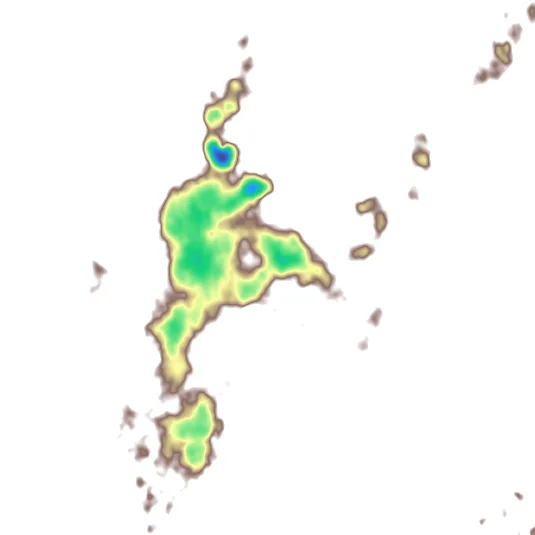
In a dense cloud of gas and dust where giant stars are born, the ALMA telescope has spotted something familiar. Four thin gas jets shoot out from the same region, each leaving behind a chain of bright knots, like a dashed line.
Two of the jets bend like the letter S. This happens when the source of the outflow wobbles slightly, like a garden hose in a hand that sways from side to side. For small, Sun-like stars, such jets are common. But here, in the W49N region, stars are born that are tens of times more massive than the Sun, and the outflows carry thousands of times more energy.
This discovery shows that the mechanism that drives jets in newborn stars does not depend on their size. Whether a small star or a giant, the heart beats the same.
The most powerful water maser in our Galaxy is located in W49N: it shines like several thousand Suns.