Cosmic Engine: Why Vacuum is Not Empty ✛ ✎ ✦
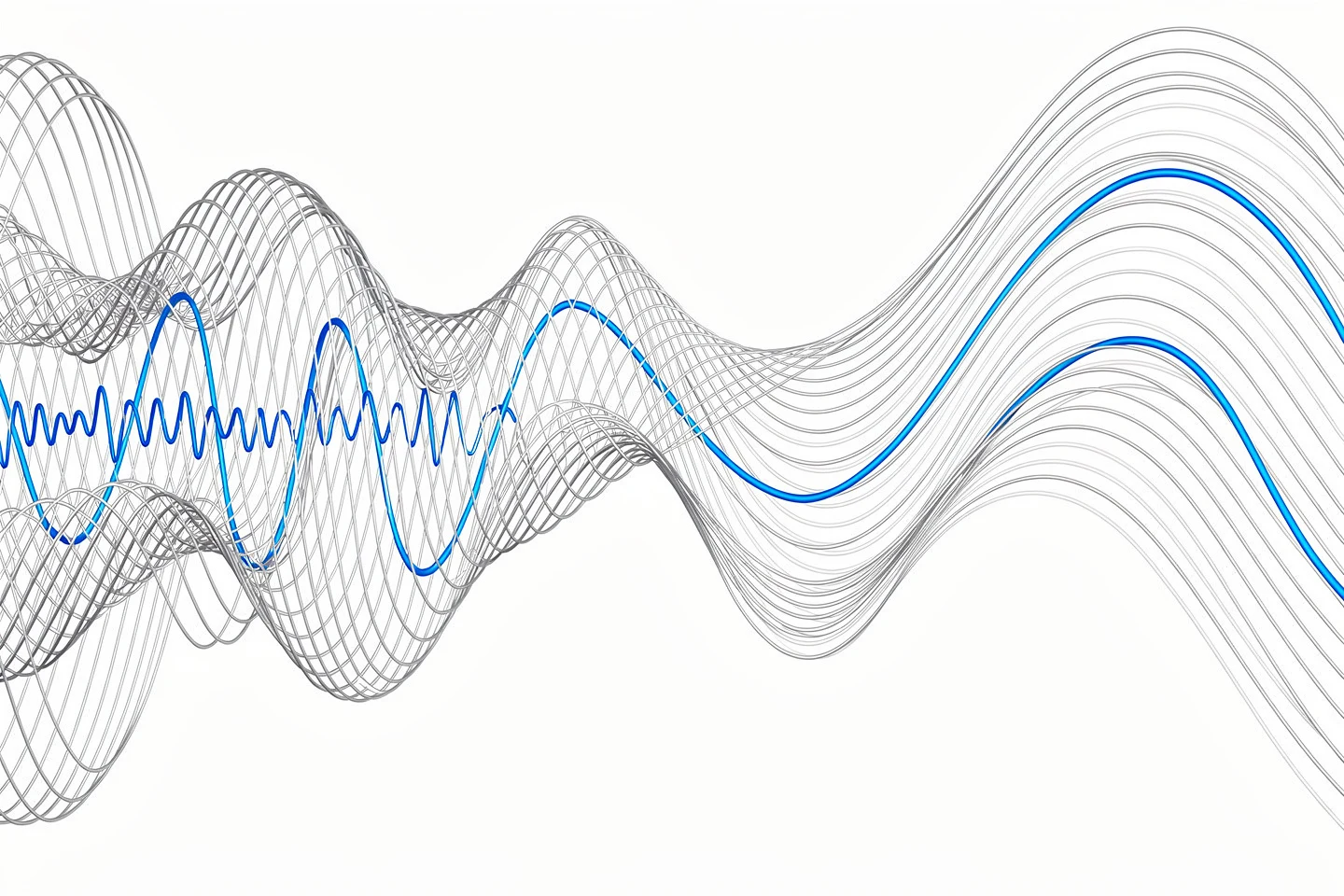
The Universe is a cosmic engine. In the first moments of the Big Bang, its 'motor' roared to life, generating colossal vacuum energy through ultrafast expansion. Today, expansion has slowed, and the engine has settled into a quiet idle; the same energy has become a gentle dark background, pushing galaxies apart.
It's long been known that the Universe is expanding (Edwin Hubble), and that it's driven by the energy of emptiness (Georges Lemaître). The key lies in quantum fluctuations: ghost particles forever pop in and out of curved spacetime, creating an energy 'noise'. This mechanism explains both the instantaneous inflation of the Universe and its homogeneity (the entropy problem), and its traces are preserved in the cosmic microwave background. Perhaps the same approach will clarify the nature of dark matter. Astonishingly, the density of vacuum energy is minuscule (across the volume of Earth, it would only be enough to flash a light bulb) yet it steers the cosmos.
The vacuum energy in our Universe is incredibly small: if you collected it from the entire volume of Earth, it would only be enough to light a bulb for a fraction of a second. Yet on cosmic scales, that's enough to steer the fate of galaxies.
Echoes of this idea can be found in science fiction: in Greg Egan's novel 'Quarantine', the very structure of vacuum reacts to the presence of an observer.