A Dust Particle Suspended in Light Hunts for Dark Matter ✛
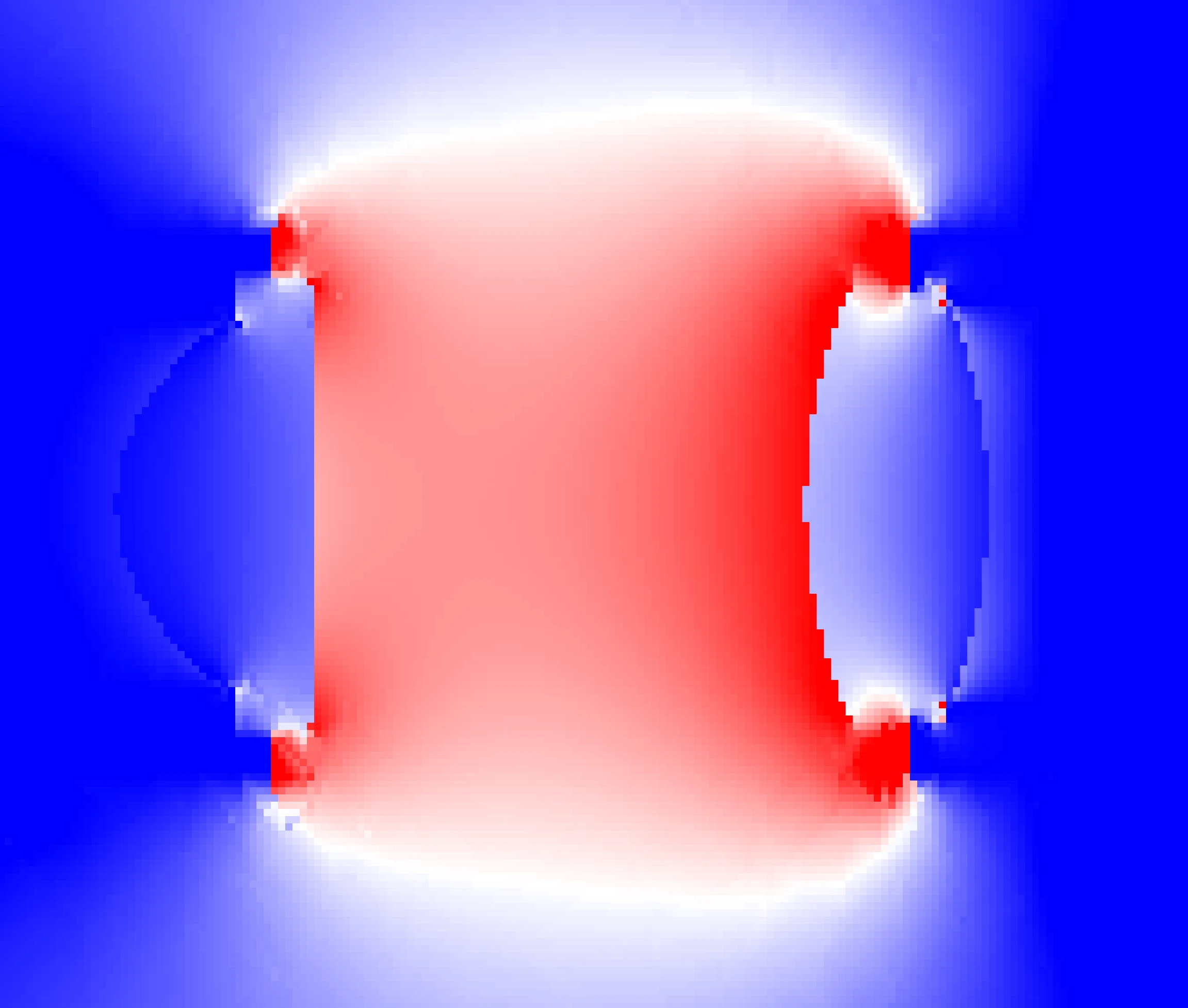
A dust grain, suspended by a laser beam in a vacuum, shudders at the slightest touch. Even light, falling on it, gives a barely noticeable kick — it's like trying to measure an object's position with your finger, inevitably nudging it. Physicists have learned to distinguish such quantum 'kicks' from possible bumps from dark matter.
By tracking the scattering of particles after impacts, scientists identified events that could have been caused by hypothetical particles interacting with neutrons through the Standard Model. This continues the quest begun by Vera Rubin, whose observations of stars pointed to the existence of hidden mass. It turned out that the 'handshake' strength between dark matter and a single neutron is hundreds of billions of times weaker than the forces we're used to — like trying to feel the breeze from a butterfly's wing on the other side of town.
The big surprise is that the detector has gained directional sensitivity: it not only registers a bump but also indicates where it came from. This allows filtering out random noise and, for the first time, coming close to directly registering lightweight dark matter or even relic neutrinos — particles left over from the Big Bang. The tiny dust grain has become a compass for the most elusive inhabitants of the cosmos.
The sensor's sensitivity is such that if you held such a nanoparticle in your palm, you'd feel a mosquito bite on a neighboring continent.