A New Record in the Search for Dark Matter express
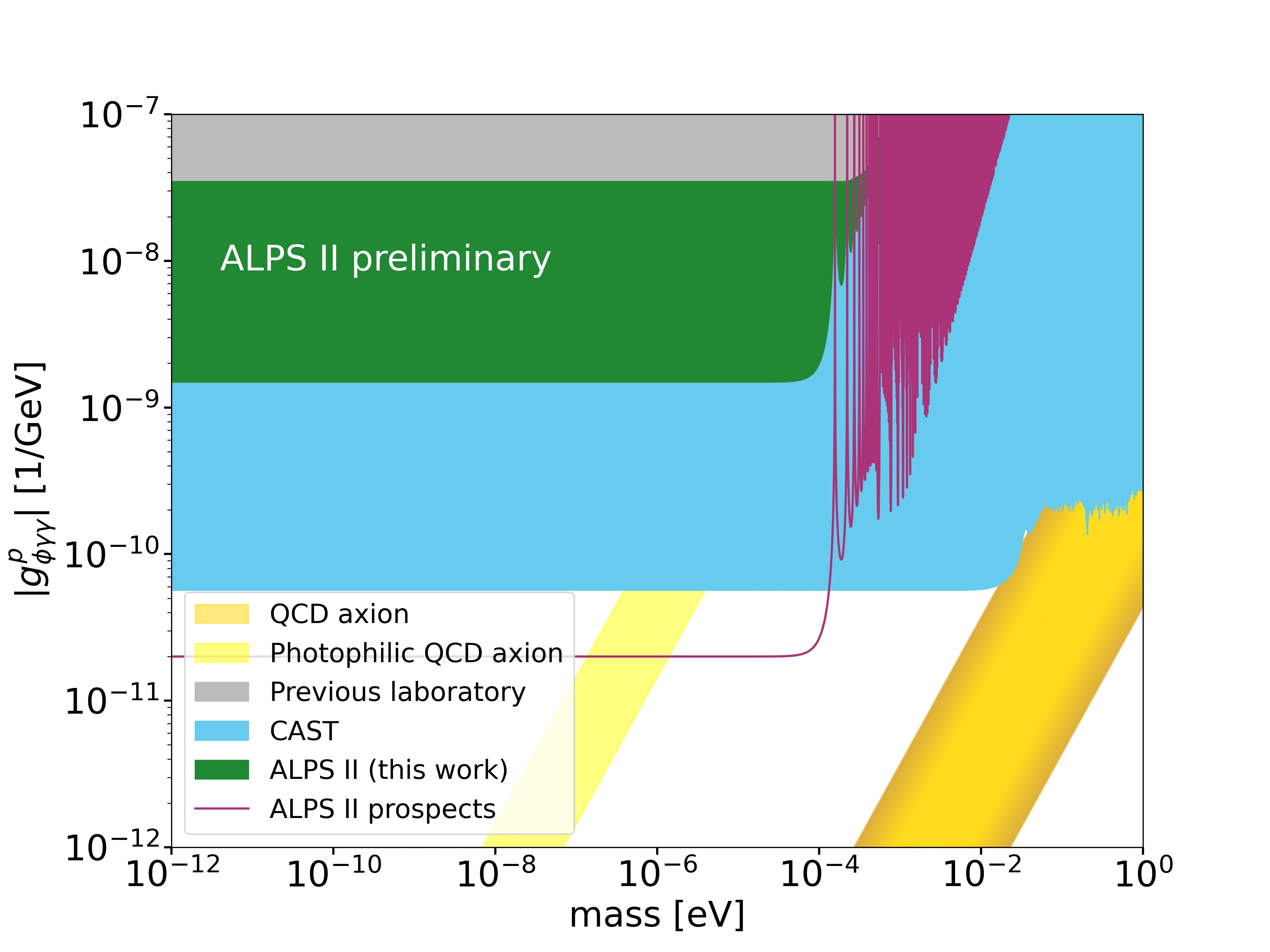
At the DESY lab, the ALPS II experiment was launched to hunt for axions — hypothetical ghost particles that might make up dark matter. This invisible mass acts like a skeleton, preventing galaxies from flying apart due to their spin. Discovering the axion would mean a breakthrough beyond the current table of elementary particles. The setup 'shines through a wall': a super-powerful laser fires at an opaque barrier, hoping that some light will briefly turn into ghosts and leak through to be detected on the other side. Over four months, more photons were sent through the wall than there are stars in the observable universe, but not a single one transformed into an axion. That's not a failure, though — the instrument worked perfectly and tightened the limits on how strongly axions interact with light by a factor of 20. Now the system is being upgraded: mirrors and laser are being improved to boost sensitivity another hundredfold.
The name 'axion' was coined by Frank Wilczek, inspired by a laundry detergent ad, the particle was supposed to 'clean up' physics inconsistencies.
In science fiction, ghosts pass through walls — axions do it at the subatomic level.