The Galaxy's Halo Is Lumpy: A Map from Hundreds of Radio Bursts express
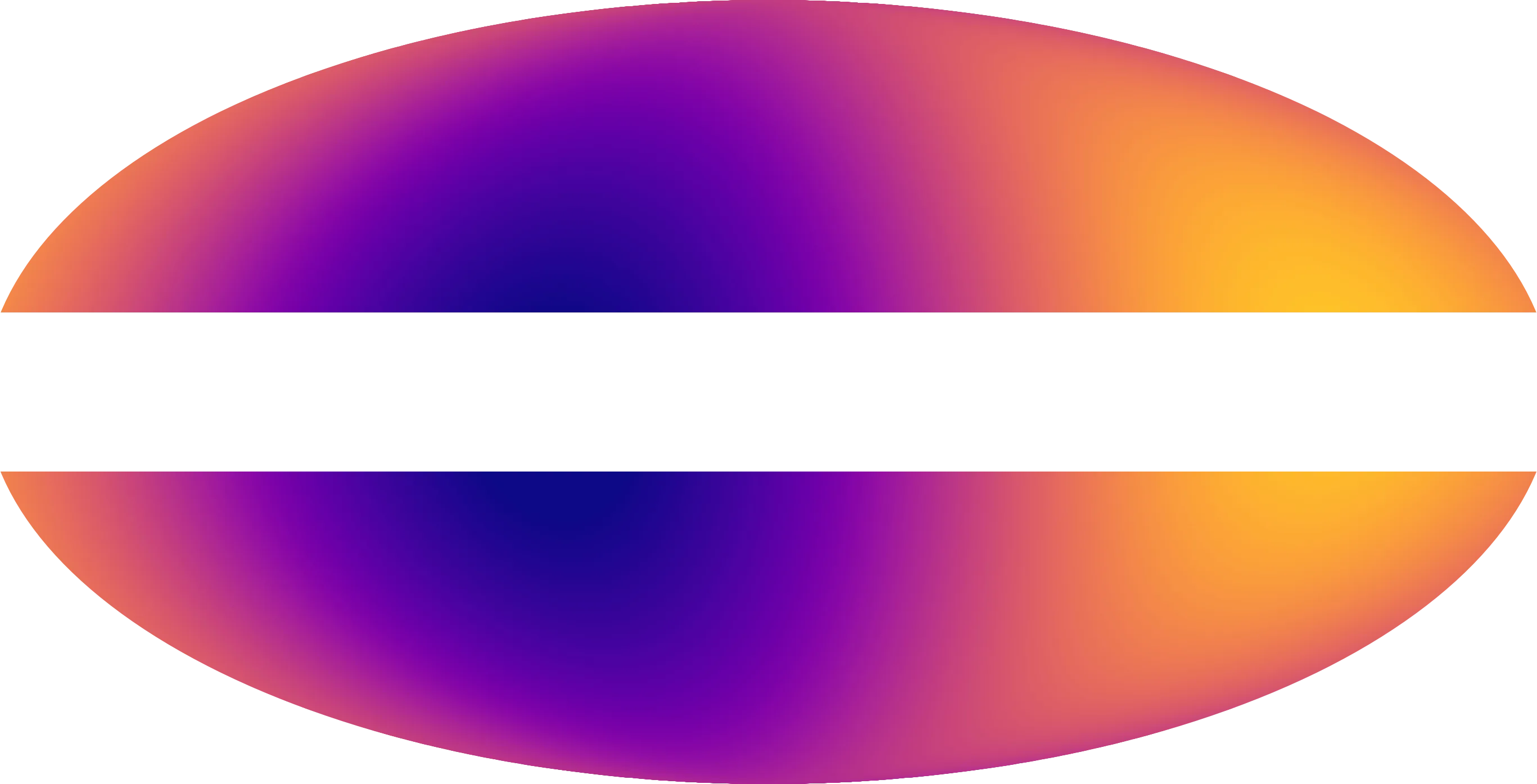
A distant radio signal travels toward us through gas, and the more gas it encounters, the more the signal is 'slowed down.' Astronomers use this to weigh the invisible envelope of our Galaxy: its halo. But if the halo is uneven, like a thick scarf draped over the shoulders, measurements in different directions will differ.
A team of researchers used data from hundreds of fast radio bursts — powerful millisecond-duration radio pulses from distant galaxies. Each burst, as it plows through the halo, leaves an 'imprint' on the signal: the denser the gas, the greater the delay. The scientists compared these imprints and found that in one region of the sky, the delay is noticeably larger than the average across the sky. It's as if the scarf turned out to be thicker on one side.
The direction points to a constellation close to the Galactic plane. The result holds even under strict data selection: when only bursts with precisely known positions were kept, the pattern remained. This suggests the lumpiness is unlikely to be a coincidence or a measurement error.
If the halo is indeed thicker on one side, it changes our understanding of how the Galaxy accumulated matter. Perhaps a dwarf galaxy passed nearby, and its gas 'stuck' to ours. Or magnetic fields within the halo pulled gas to one side. For now, it's a mystery, but new radio telescopes that detect thousands of bursts will help solve it.
A fast radio burst lasts milliseconds but carries as much energy as the Sun emits in several days.