The Mystery of Cosmic Dust: Weighing a Galaxy express
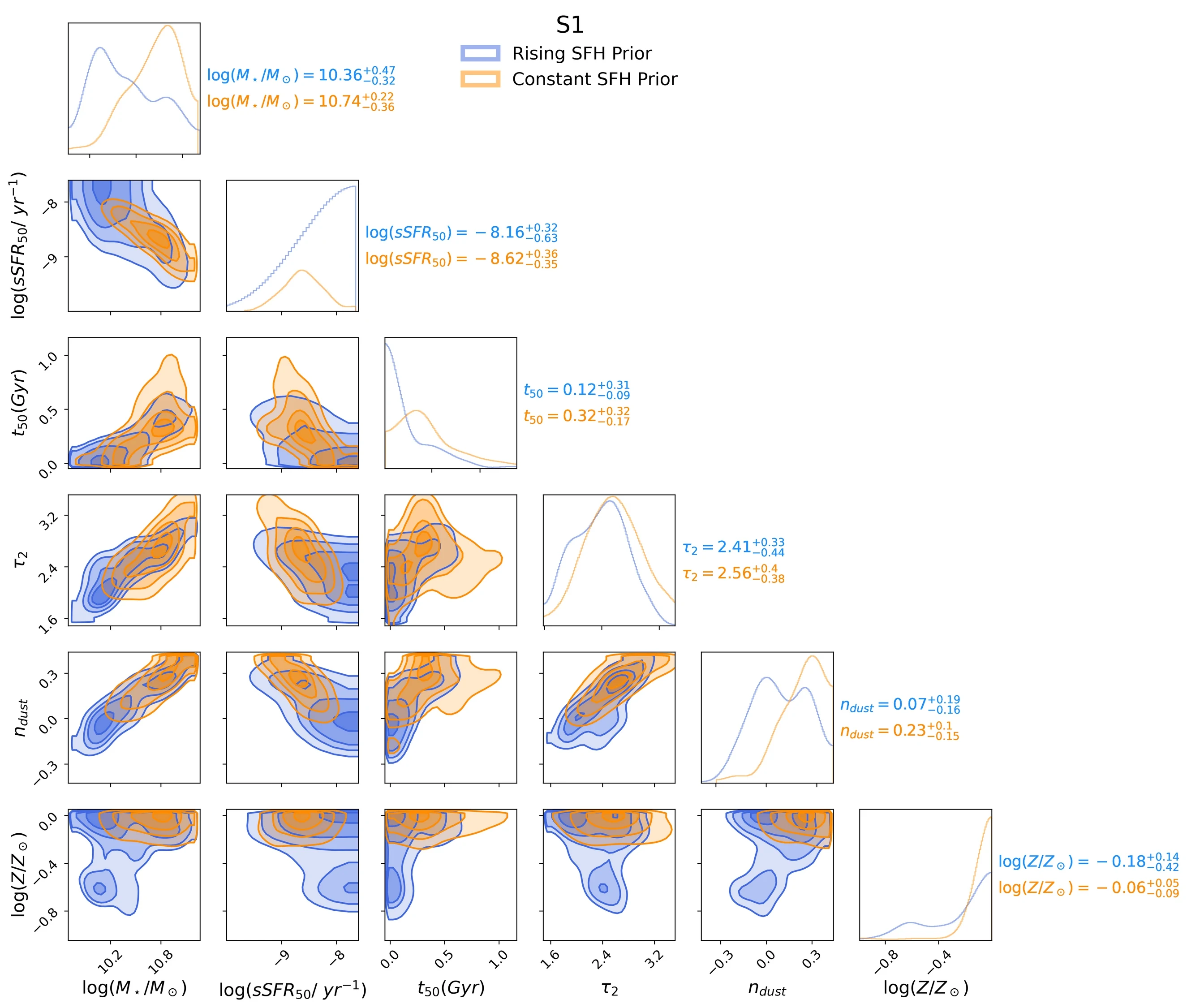
Astronomers pointed the James Webb at three galaxies whose light traveled 12 billion years. Early data pointed to incredibly fast growth — like an infant reaching adult height in just a year, clashing with the expansion of the Universe.
Fresh analysis of light (spectroscopy) revealed that one of the galaxies is closer, and recalculations accounting for cosmic dust (microscopic particles that hinder observations) yielded new numbers. The mass estimate depends on how much dust dims the light — as if you were weighing a statue behind glass of varying fog levels. The slightest change in opacity shifts the result. After correction, all three giants 'shed weight'; in one case, the mass was halved. Still, two remain too massive for their age, defying cosmology.
Cosmic dust grains are solid microparticles (mostly carbon and silicates) the size of a virus, born in the shells of old stars; together they create a translucent veil capable of masking whole armies of luminaries.