Popular

Roberto Maiolino

6 articles · 30 co-authors · latest: 2026-07-06

The Mystery of Cosmic Dust: Weighing a Galaxy

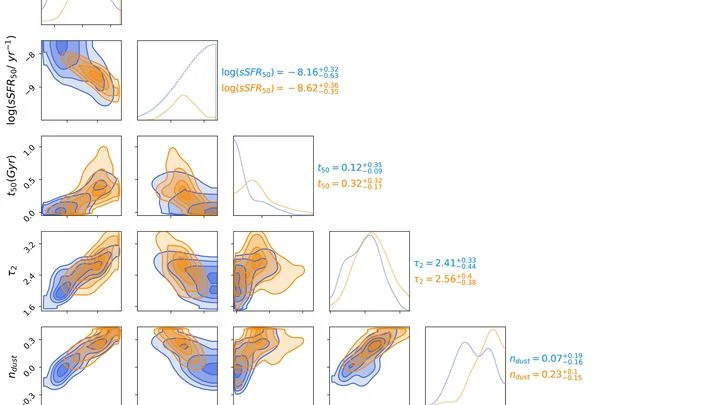
Astronomers refined the mass of three extremely distant galaxies using Webb, and it turned out: invisible dust can distort our estimates more than we imagined, but even with corrections, two galaxies remain monstrously massive for their young age.
arXiv:2601.08693v2 · 2026-01-13

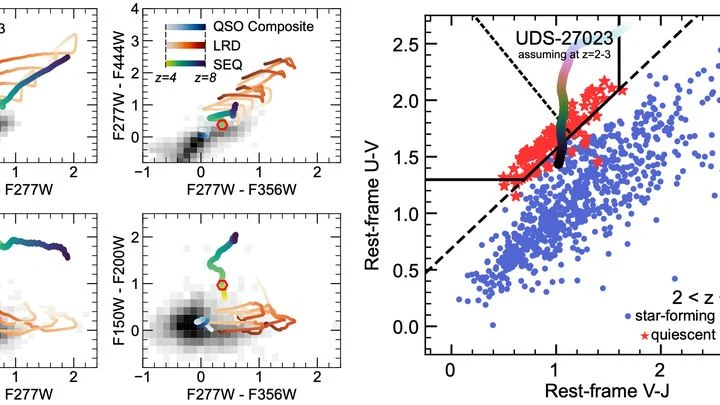
A Flashlight Wrapped in Red Tape: Why Active Cores Change Color

Scientists have explained the mystery of "red dots" in the early Universe: it's all about the viewing angle. If an active core is seen edge-on, dust makes it dim and red; face-on — bright and blue. Like a flashlight wrapped in red tape: straight on, the light is white; from the side, it's red.
arXiv:2602.22386 · 2026-02-25

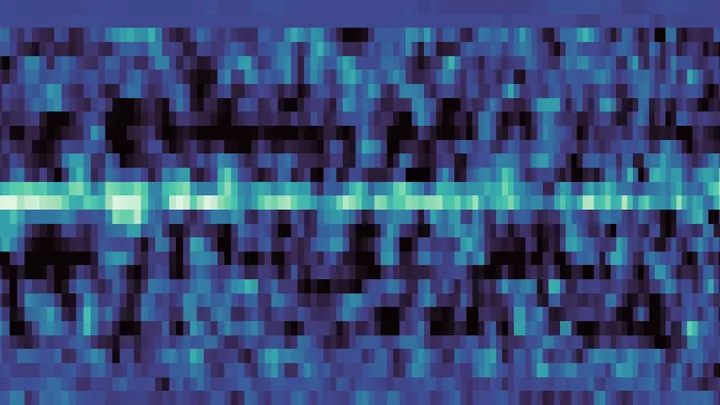
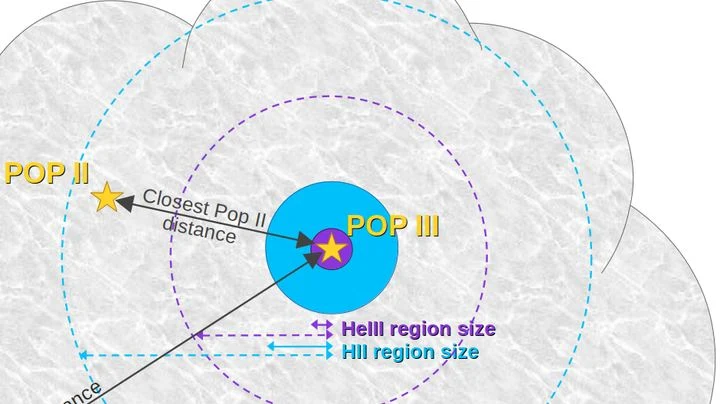
Light from the Universe’s First Stars Captured

Near the galaxy GN-z11, seen just 400 million years after the Big Bang, the James Webb Space Telescope spotted a bright spot. It glows with hot helium — such radiation can only come from very massive stars devoid of heavy elements, that is, the first generation. If confirmed, we are seeing for the f
arXiv:2603.20362 · 2026-03-20

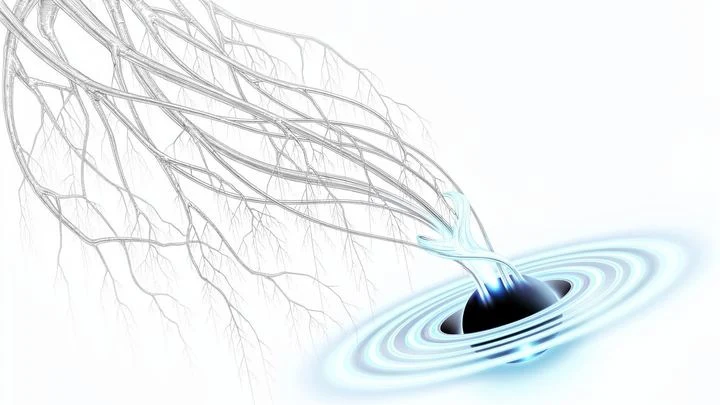
Roots of the Cosmic Banyan: How Black Holes Feed

New data from the JWST telescope on galaxy NGC 4696 in the Centaurus cluster have for the first time traced the kinematic connection between large-scale filaments and a compact circumnuclear disk with a radius of about 120 parsecs. The S-shaped structure, familiar from Hubble images, turned out to b
arXiv:2606.06620v1 · 2026-06-04

Red Dots in the Early Universe Are Black Holes Viewed Edge-On

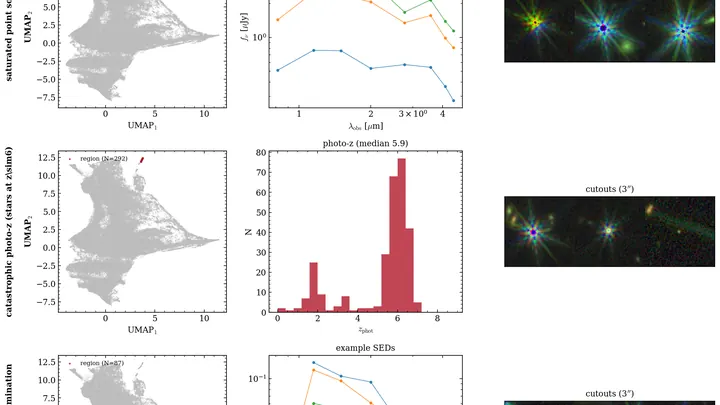
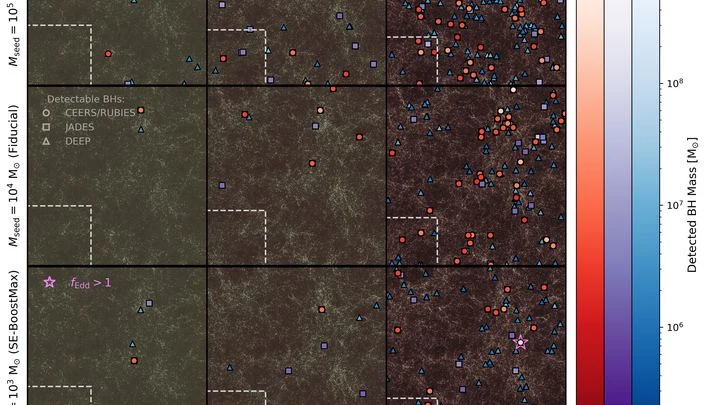
In the young universe, telescopes found many reddish dots. A new explanation: these are huge black holes that we see from the side. The gas disk around them blocks the most energetic radiation, allowing only dim red light and hydrogen glow. A similar object exists right in the Milky Way. If viewed f
arXiv:2606.21105 · 2026-06-19

Globular Clusters: A Palimpsest of Ancient Gas Clouds

For decades astronomers puzzled over mysterious anti-correlations of light elements in globular clusters. New research based on high-resolution cosmological simulations shows: the chemical anomalies could have arisen long before the birth of the cluster's first stars—in giant gas clouds. This scenar
arXiv:2607.05509v1 · 2026-07-06