Cosmic Kitchen: Nuclear Pasta in the Depths of Stars express
Long before that, Fritz Zwicky predicted that a supernova explosion gives birth to a tiny neutron star. Years later, Jocelyn Bell Burnell caught its pulses, discovering pulsars. Now we know that inside these stars is a true culinary spectacle: atomic nuclei stretch into spaghetti, layer up like lasagna, and clump into gnocchi. They call it nuclear pasta.
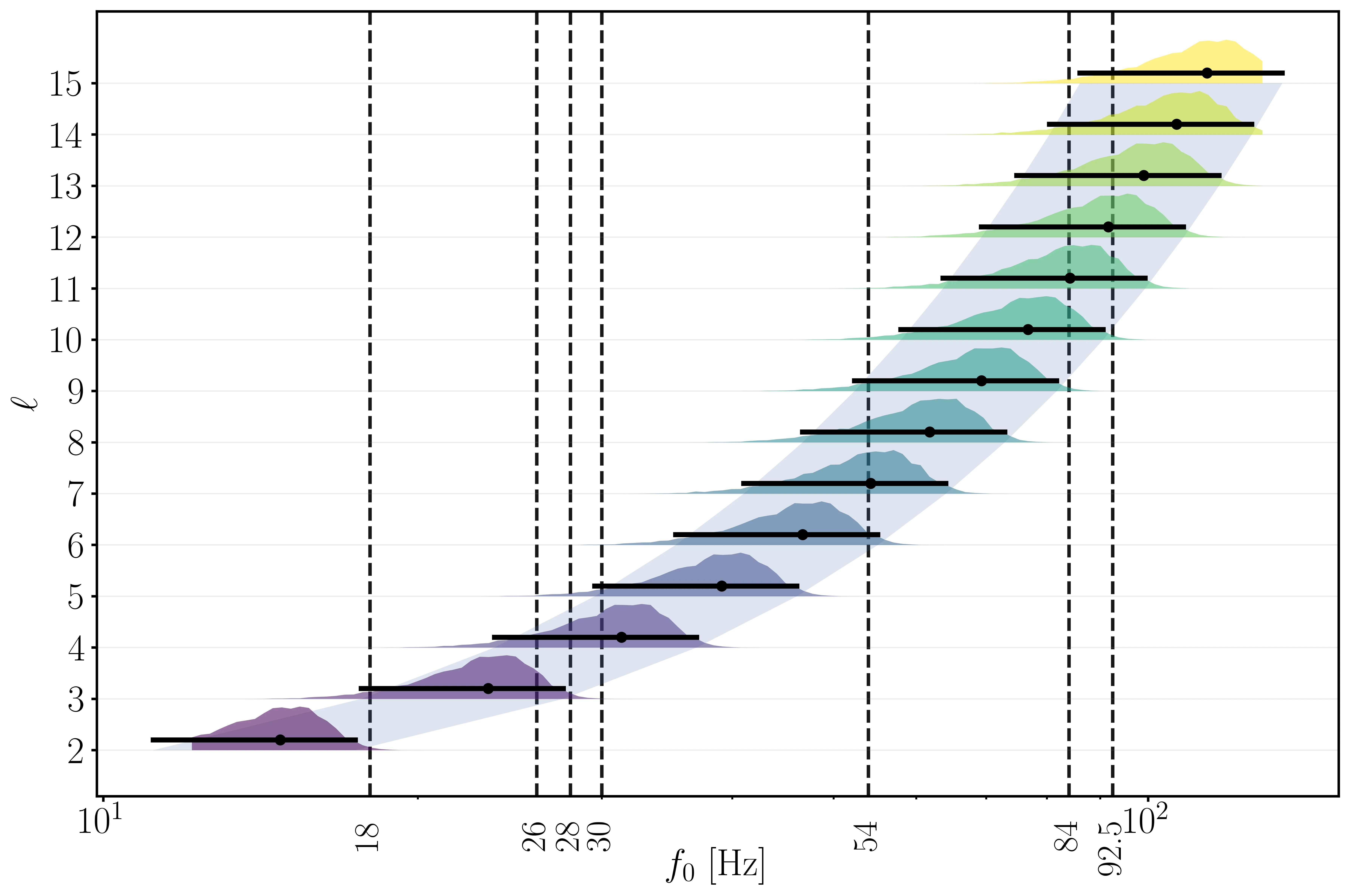
A recent study, combining nuclear models and data on gravitational waves, showed that the transition from round nuclei to strands happens at the exact same density, as if nature follows a recipe. The pasta layer is only 14% of the crust's thickness but packs nearly half its mass. These layers make the star tremble at specific frequencies, and astronomers see this trembling as the flickering of pulsars. For the first time, scientists matched calculated frequencies with real observations and found that the rhythm of the tremors reveals properties of nuclear forces — a sort of stellar seismology.
But the most unexpected twist: this nuclear pasta might explain the mysterious 'glitches' in pulsar flickers, when their pulse suddenly skips a beat. Perhaps the pasta's trembling triggers abrupt shifts that astronomers have been catching for half a century.
"Nuclear pasta" isn't a figure of speech: it's a precise term. The layers really do resemble spaghetti, lasagna, and gnocchi. But they're so strong that a strand as thin as a human hair could support the weight of a metropolis.