Nuclear Reaction Defines the Abyss for Black Holes express
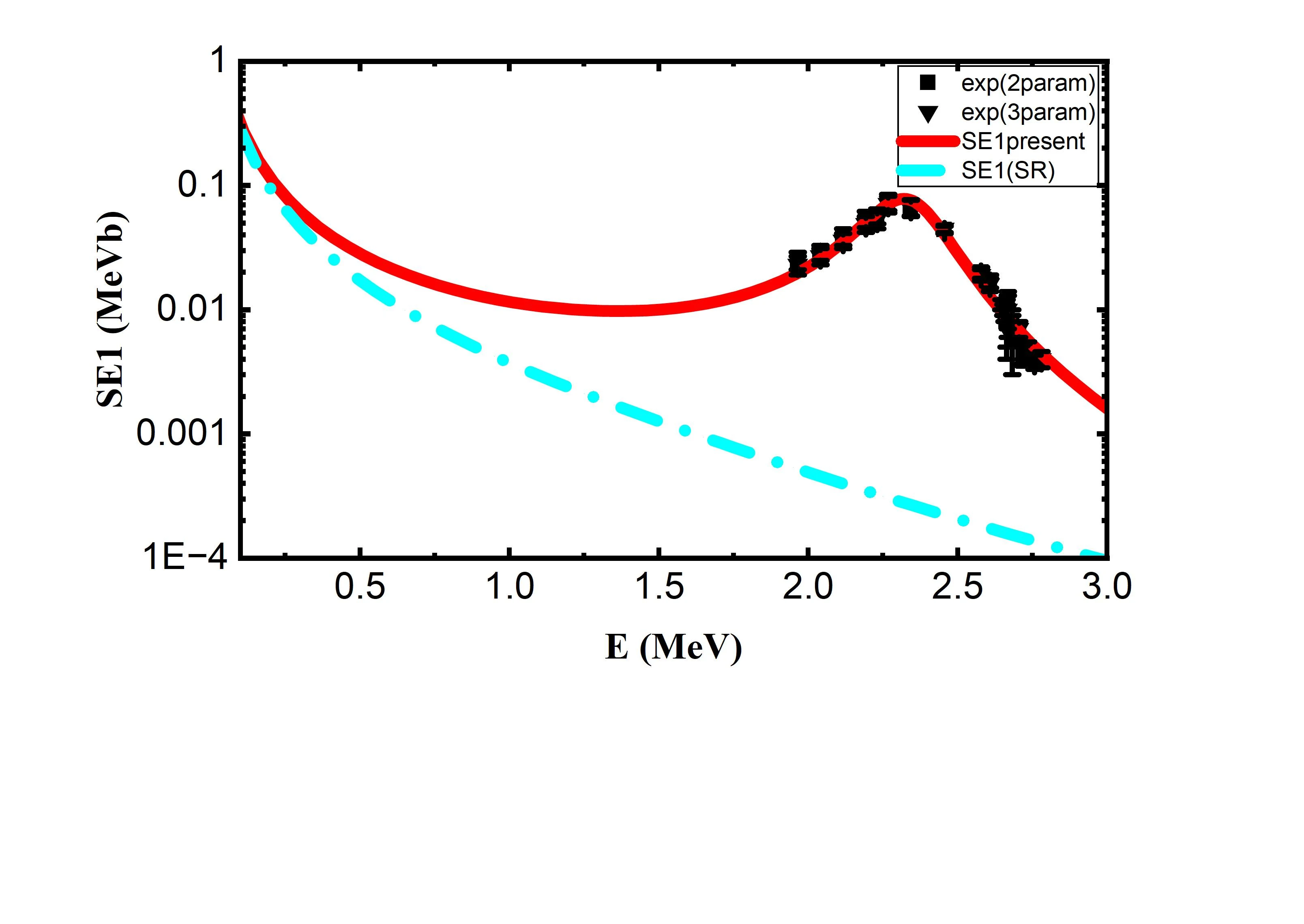
Gravitational waves have laid bare an abyss: black holes with masses between 60 and 120 Suns are almost never born. This chasm is carved out by pair-instability supernovae — explosions that leave not even a speck of the star. Whether the star falls into the abyss or survives on its edge depends on the reaction of carbon with helium, which governs the core composition.
This process is leisurely: even a tiny speedup would turn all carbon into oxygen, depriving the universe of life. Fred Hoyle first realized the reaction is tuned exquisitely finely, otherwise carbon would be hundreds of times scarcer. New data have narrowed the possible rates by nearly half. It turns out the edge of the abyss lies farther out than thought: the lightest ordinary black holes start at 61–75 solar masses. A shift of just a couple percent, and the boundary leaps by tens of masses.
The carbon-helium reaction is so slow that the slightest acceleration would deprive the universe of carbon-based life.