Why quasars flicker differently than we thought express
A candle flame in a draft dances: now it flares up, now it almost goes out. Quasars behave much the same way — supermassive black holes in the centers of distant galaxies, surrounded by a scorching disk of infalling matter. Only they flicker not over seconds, but over months and years.
Astronomers have been used to describing this tremor with a simple model — random walks of brightness around a mean level. But the authors of the new study spotted a catch. When the mean level is rigidly fixed during data processing, the damping timescale of these walks (the characteristic mixing time) is determined too self-assuredly. The error turns out to be greatly underestimated. On the other hand, another parameter, the strength of short-term brightness jolts, is captured much more accurately even from short observations.
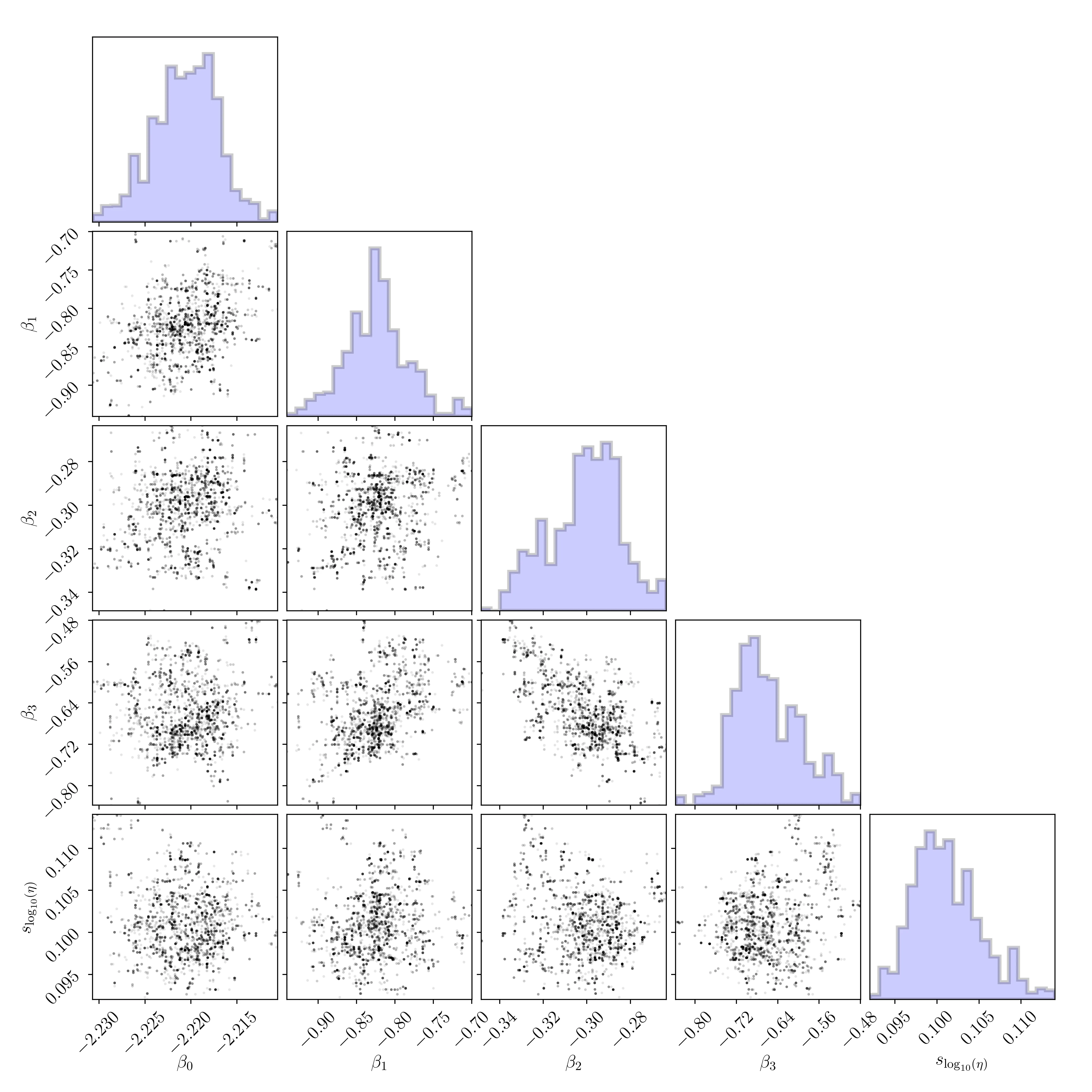
The scientists tested the idea on 570 quasars monitored for decades. They built an overall picture: how the briskness of flickering depends on the total power of the quasar and on the wavelength of observation. It turned out: the more powerful the quasar and the redder the light, the calmer its 'breathing.' And another surprise: quasars in the early universe (which we see far in the past) were more feverish than their modern descendants. As if in their youth these objects were far more turbulent.
Some quasars change brightness by 10–20% in just a few days: that's like the Sun dimming and flaring up during a school recess.
In Stanislaw Lem's novel 'Solaris,' the ocean of a living planet behaves like a giant quasar: its glow pulses unpredictably but follows a hidden logic.