Motion as Fuel: Quantum Engines at Near-Light Speeds ✛
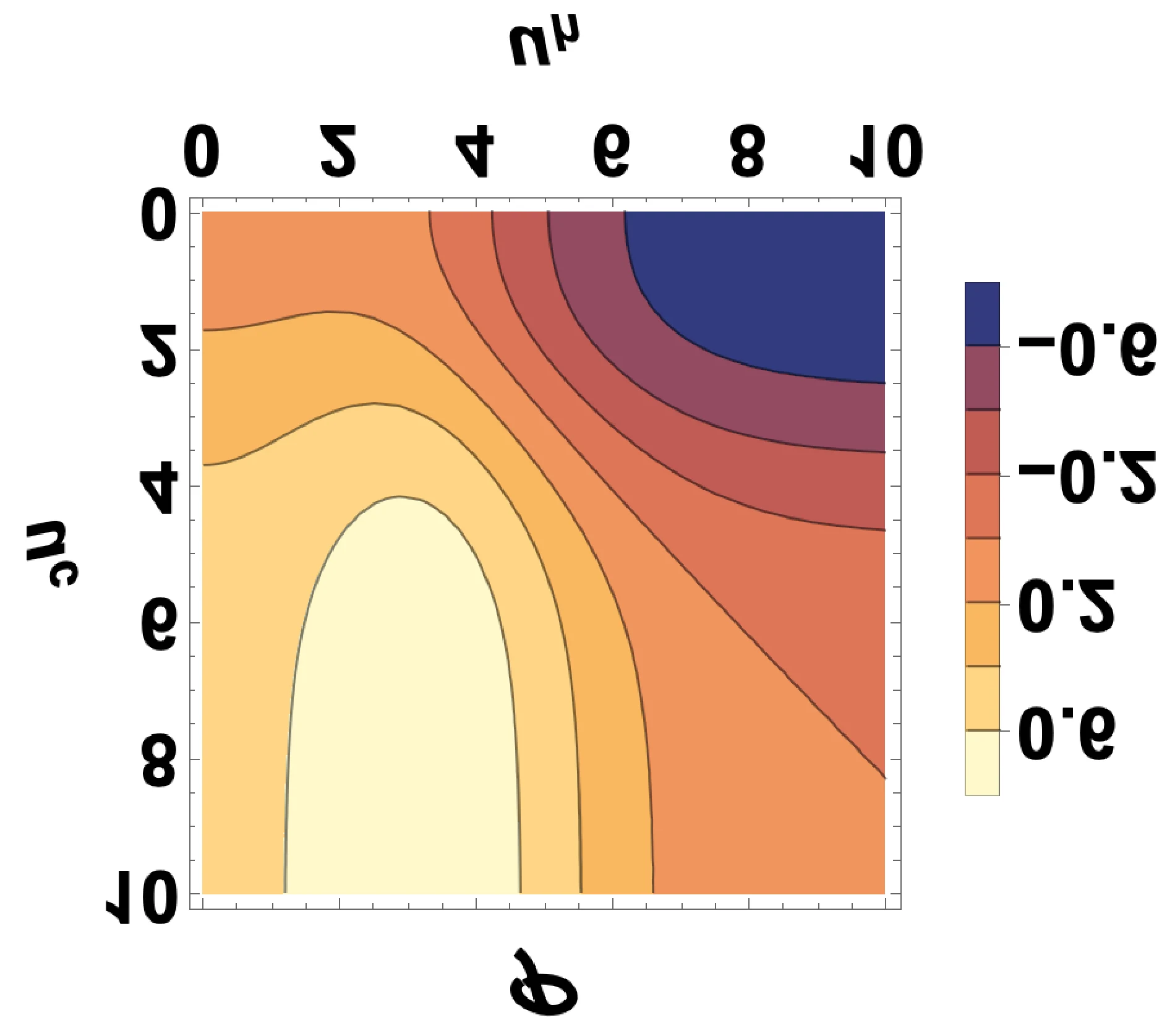
An ordinary heat engine cannot exceed the Carnot limit: its efficiency is bounded by the temperature difference between the heater and the cooler. But if you accelerate the heat and cold sources themselves to nearly the speed of light, relativity comes into play.
In a new study, researchers examined a quantum microwave amplifier (maser) operating as a three-level pump. When its hot and cold reservoirs move at tremendous speeds, the Doppler effect shifts the spectrum of their radiation. This distortion allows the machine to dodge classical restrictions and deliver useful work even at equal temperatures. Motion becomes a fuel, just like heat.
The key lies in the Unruh effect, predicted by Einstein's theory: an accelerating observer sees thermal radiation from the vacuum. In the engine, the motion of reservoirs creates a similar shift, turning spacetime itself into an energy source. Thus relativistic motors break the usual thermodynamic taboos.
According to the Unruh effect, an accelerating observer sees thermal radiation even in complete emptiness. So motion generates heat, and becomes fuel for quantum engines.
In science fiction, engines draw energy from motion through spacetime itself. This work shows that at the quantum level, relativistic motion can indeed serve as an energy source.