Planetary pressure cooker: how gas and rock give birth to oceans express
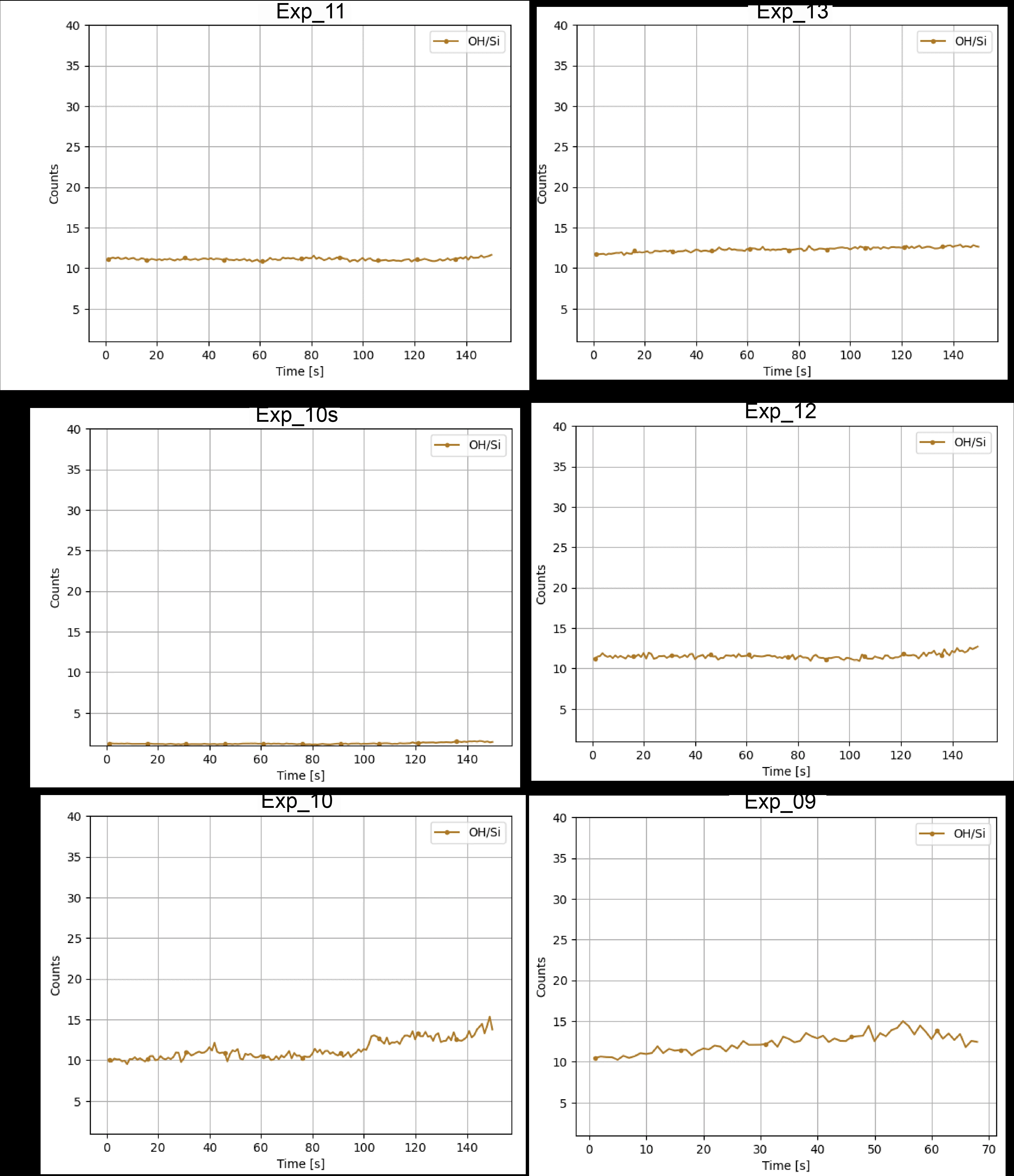
The most common type of planet in our Galaxy — rocky worlds around other stars, or exoplanets, shrouded in the simplest gas hydrogen. Their innards remained a mystery until scientists recreated the conditions of the interior in the lab. It turns out that inside, such a planet works like a giant pressure cooker: at heat above 4000°C and monstrous pressure, hydrogen penetrates molten rock, stealing oxygen from iron oxides. Water is born, and the freed iron gathers into heavy droplets, like grains in a boiling broth. In one cooking cycle, a mass of water comparable to dozens of Earth's oceans accumulates, and simultaneously heat is released that keeps the planet warm from within for a long time. This underground kitchen rewrites the history of water in the Universe: oceans can appear not only from comet impacts, but also directly from the primordial gas that enveloped the newborn world. And if our young Earth once wore a hydrogen coat, its own global ocean could have been brewed in the same rocky cauldron.
If the young Earth had managed to hold onto its hydrogen envelope, it would have 'cooked' its own global ocean — no comets needed.