The Red Dwarf Oxygen Trap express
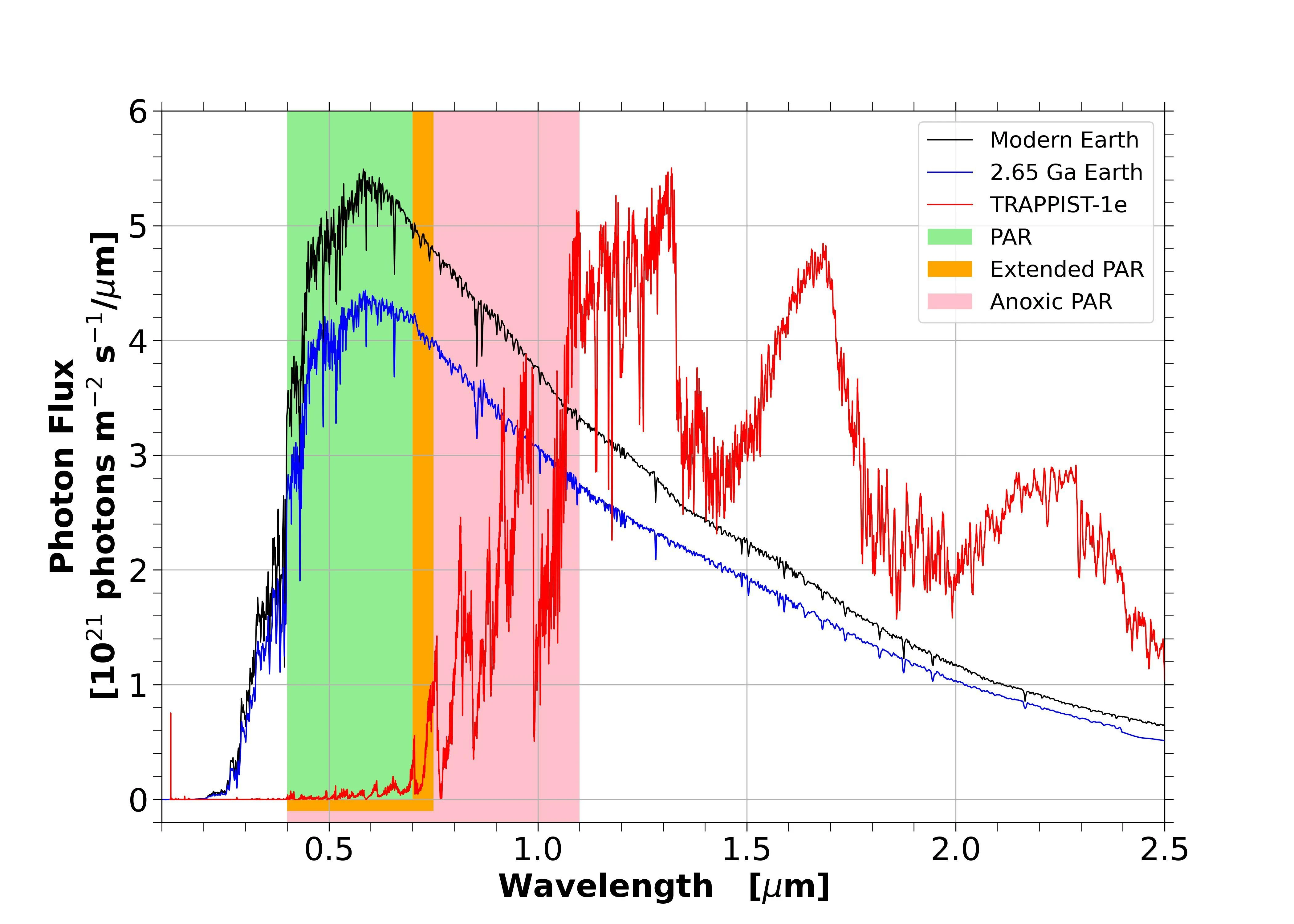
At TRAPPIST-1, oxygenic photosynthesis loses the race. This dwarf star shines mostly in infrared, not visible light like the Sun. Earth’s plants, capturing light of specific colors, built up oxygen, but here such rays are pitifully scarce. Done solo, the process would take 63 billion years — longer than the age of the universe. Accounting for excess light damaging cells and a wider viable range, that shrinks to 1–5 billion years. But then bacteria enter the race — ones that produce no oxygen but brilliantly see infrared light up to 1100 nanometers. At TRAPPIST-1, infrared is 22 times more abundant than visible light. They’ll take over the oceans, cutting off resources for the competition. Instead of green, purple seas. Without oxygen, the Cambrian explosion, an avalanche of complex organisms, won’t happen. So most Earth-like planets around red dwarfs, discovered thanks to William Borucki and David Charbonneau, will forever remain microbial worlds. The fate of a biosphere isn’t decided just by distance from its star, but by the color of its light.
On Earth, purple sulfur bacteria that use infrared light still live in hot springs — perhaps this is what life looked like in ancient oceans before the oxygen revolution.