Earth's Shadow Hunts for Alien Probes express
Back in the 18th century, William Herschel was searching for life on Mars. Today, astronomers are targeting not planets but artifacts — for example, alien probes lurking in the Solar System. The problem is that spotting a tiny object next to the blinding Sun is nearly impossible. A new idea: turn Earth's shadow into a natural filter.
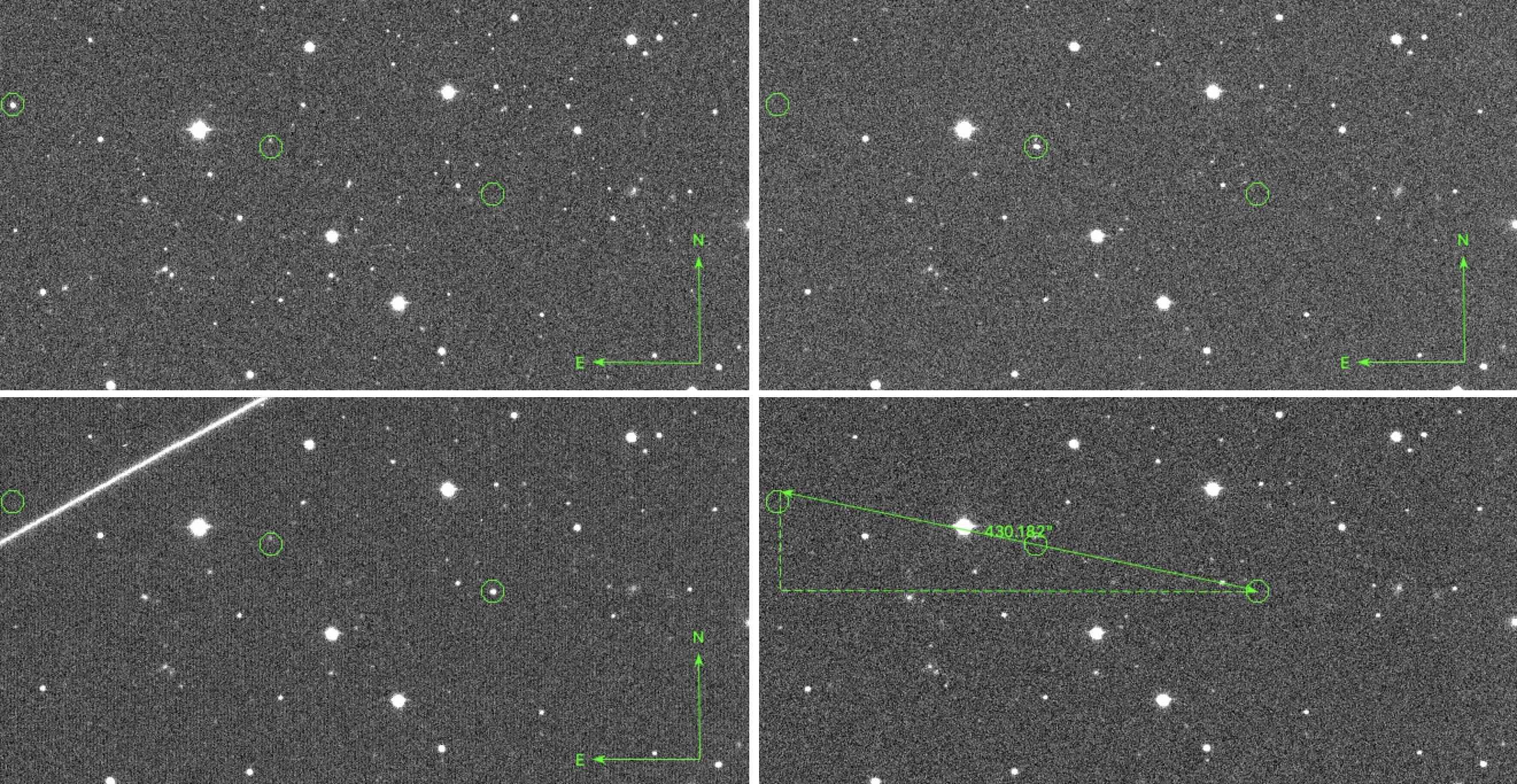
The shadow works like a deep well. During the day, you can see stars from the bottom of a well because the walls block out direct light. Similarly, the cone of Earth's shadow, stretching 1.5 million kilometers into space, blocks the Sun and makes faint flashes visible. A team of scientists analyzed images from the automated telescope Zwicky Transient Facility (ZTF), which photographs the sky every night. They searched for objects flickering near the shadow's edge for just a couple of seconds.
In the data, they found dozens of unknown rapidly changing flashes, previously uncatalogued. Most likely, these are space junk or asteroids, but the technique itself proved its power. A systematic sweep of the "well" could turn the search for extraterrestrial intelligence from a dream into observational science.
Earth's shadow reaches about 1.4 million kilometers — almost four times the distance to the Moon.