How Impurities Shift the Crystallization of Stellar Matter express
A crystal of calcium ions in a trap, illuminated by a laser, is a tiny model of the matter inside a white dwarf. There, in the depths of a dying star, atomic nuclei arrange into a rigid lattice as the temperature drops. In the lab, physicists recreated this moment: they cooled a cloud of ions to a few millikelvins and watched it freeze into an ordered pattern.
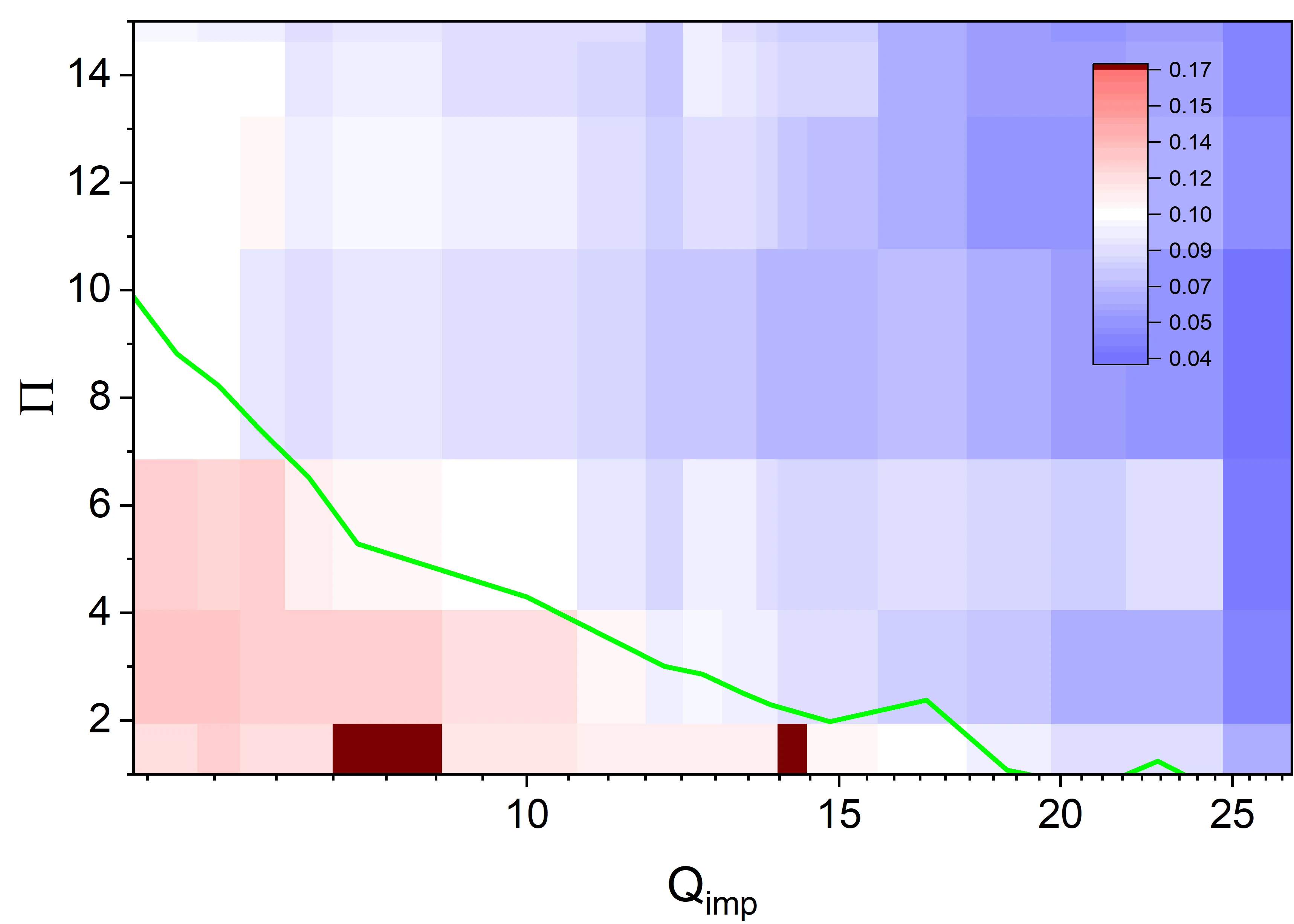
Then they mixed in xenon ions with a higher charge, like inserting a few heavy boulders into a neat brick wall. As long as impurities are scarce, the lattice doesn't notice the intruders and freezes at the same temperature. But when the xenon fraction exceeds a few percent, the behavior changes: crystallization requires stronger cooling, and the shift grows almost linearly with the amount of impurity.
This effect matters for astrophysics: white dwarfs and neutron stars cool, and the moment their interiors crystallize affects how they shine and how long they live. Standard models often treat stellar matter as pure — made of a single type of nucleus. The experiment shows that even a small fraction of heavy elements can shift the freezing point, and thus the entire thermal history of the star.
Now theorists have an experimentally verified correction: exactly how impurities hinder crystallization. This will allow more accurate calculations of white dwarf ages, and by them, like clocks, we determine the ages of star clusters and even the entire Galaxy.
A white dwarf can stay hot for billions of years because the crystallization of its core releases heat, just as water releases heat when it freezes.