The Universe's Secret Phase: How the Dark Sector Reconciled the Astronomers ✛
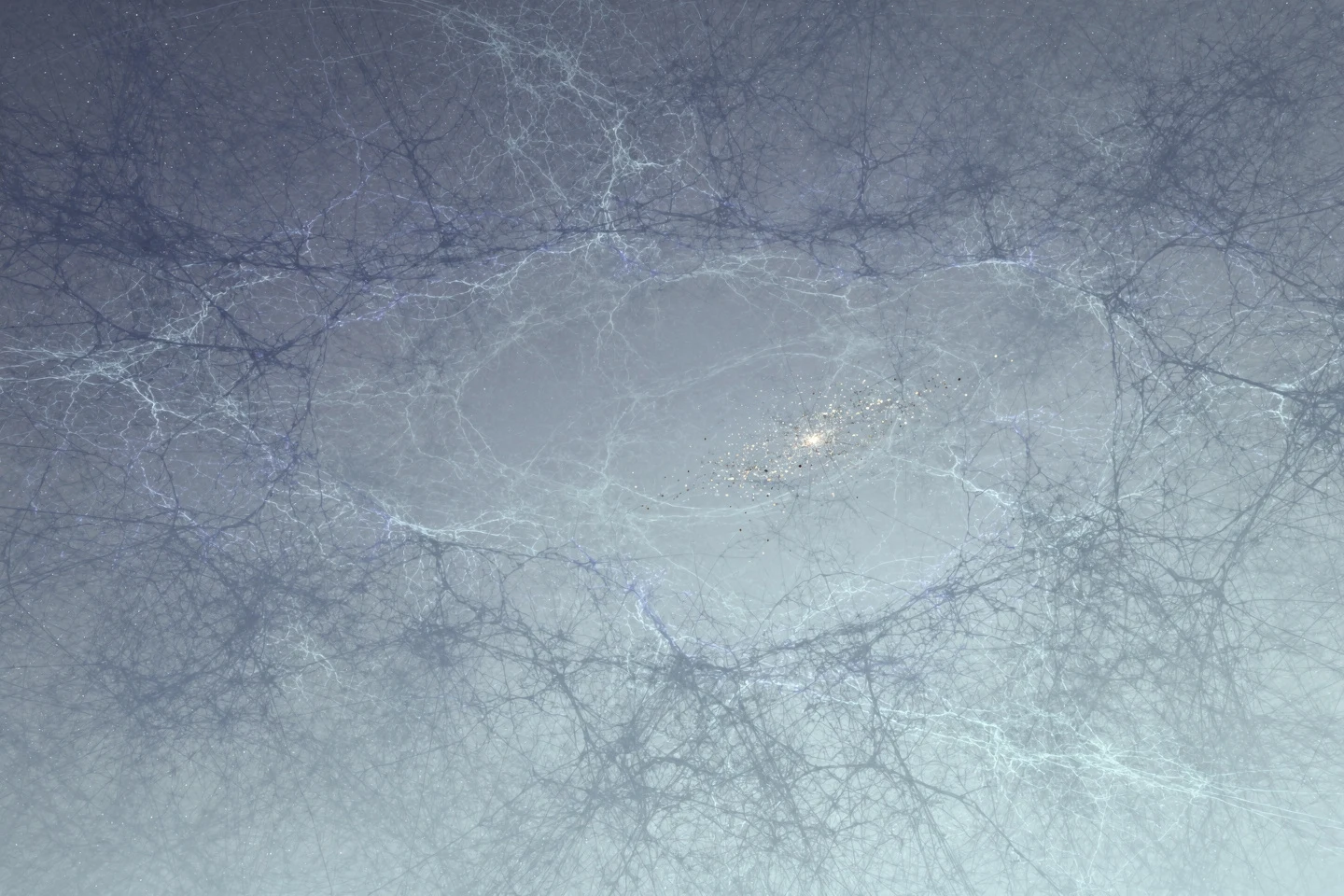
The expansion rate of the universe is measured in two ways: using stars and supernova explosions gives one value, while the cosmic microwave background after the Big Bang gives another. The difference is too large to be a fluke: this is the Hubble tension, first noticed by Adam Riess. The new explanation: in the early universe, a phase transition occurred in the hidden dark sector, like a bottle of supercooled water that stays liquid below freezing but suddenly turns to ice when disturbed, releasing heat. This burst of dark radiation, like a nudge, sped up the expansion, smoothing out the contradiction.
The real surprise: the theory not only solves the expansion mystery but also naturally produces stable dark matter, without any extra bells and whistles. If the phase transition happened, future observations of the cosmic microwave background might detect its echo, turning the dark sector from abstraction into testable physics.
Phase transitions aren’t fiction: it’s believed that in the first second after the Big Bang, the universe underwent several such transformations, giving rise to the forces of nature we know.
In Isaac Asimov’s novel 'The Gods Themselves,' contact with a parallel universe where the laws of physics are different — isn’t that a dark sector with its own hidden rules?