How a Neural Network Uses Light to Detect Brain Diseases ✛
Astronomers study distant stars by analyzing light that passes through cosmic dust. A similar principle is applied to the brain: a thin tissue slice is illuminated, and changes in brightness and color reveal pathology. This is optical transmission spectroscopy. The brain is three-quarters water and rich in carbon, so healthy and diseased cells absorb light differently. But instead of a human poring over images for hours, a neural network does the work.
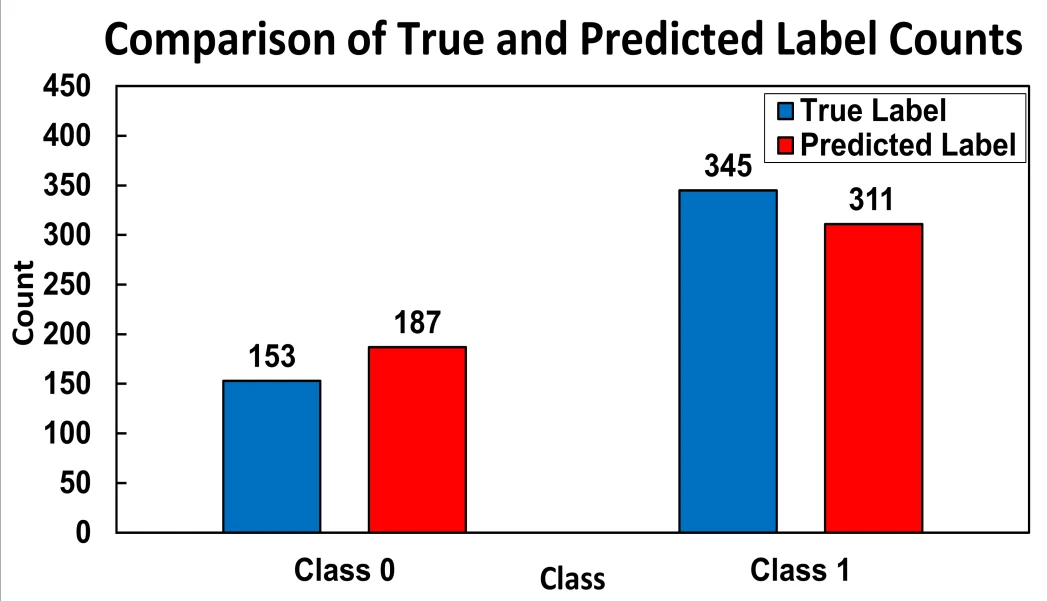
Researchers trained two neural networks on 3,000 images. The best performer was DenseNet121: it correctly diagnoses in 88% of cases and rarely confuses diseased tissue with healthy. Its architecture, with a dense network of connections, prevents the loss of important details even on a small dataset, avoiding overfitting. This reduces the burden on doctors and lessens disagreements among experts.
In the future, the system will not only distinguish normal from pathological tissue but also determine the type and malignancy of a tumor — making biopsies faster and more accurate.
Cancer cells contain less water, so light passes through them differently — the neural network catches this difference, invisible to the naked eye.
The sci-fi tricorder from Star Trek is almost real: this method is a step toward a portable scanner that instantly assesses brain health.