Magnetic Construction Set: Unexpected Flexibility of Atomic Layers express
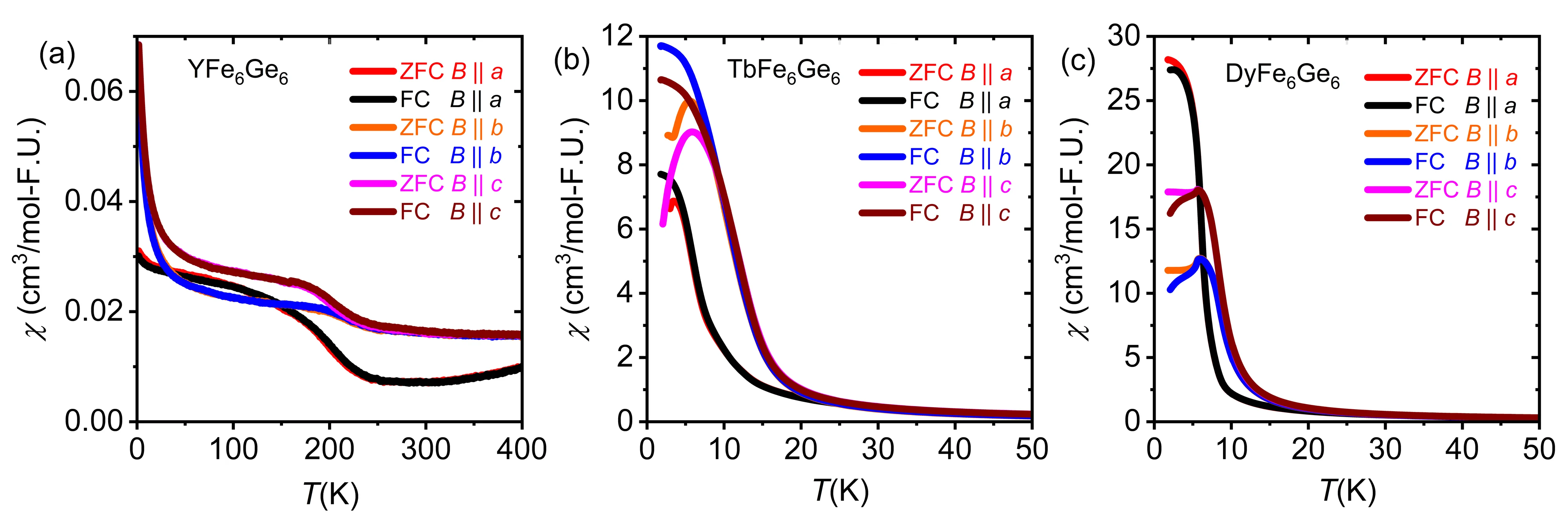
The new magnetic material is structured like a stack of pancakes: in each layer, all atomic 'arrows' point the same way, but the neighboring layer is magnetized in the opposite direction. The pattern of triangles — a kagome lattice — is distorted because some atoms were replaced with germanium dumbbells. Rare-earth atoms display magnetic order only at temperatures around -264°C, for which liquid helium is used. X-ray diffraction (a method developed by Bragg) and spectroscopy allowed scientists to unveil this structure.
Calculations revealed unexpected flexibility: flipping the entire layer requires a prohibitively large energy, while rotating a single chain of atoms inside the layer is easy. This order dramatically reduces entropy — a measure of disorder. This paves the way for controlled creation of magnetic patterns for future quantum devices.
The word 'kagome' translates from Japanese as 'woven basket' — exactly the pattern of triangles that the atoms form.