Light Echo Flips Chemistry express
In an empty hall, sound bounces between walls, turning into a booming echo.
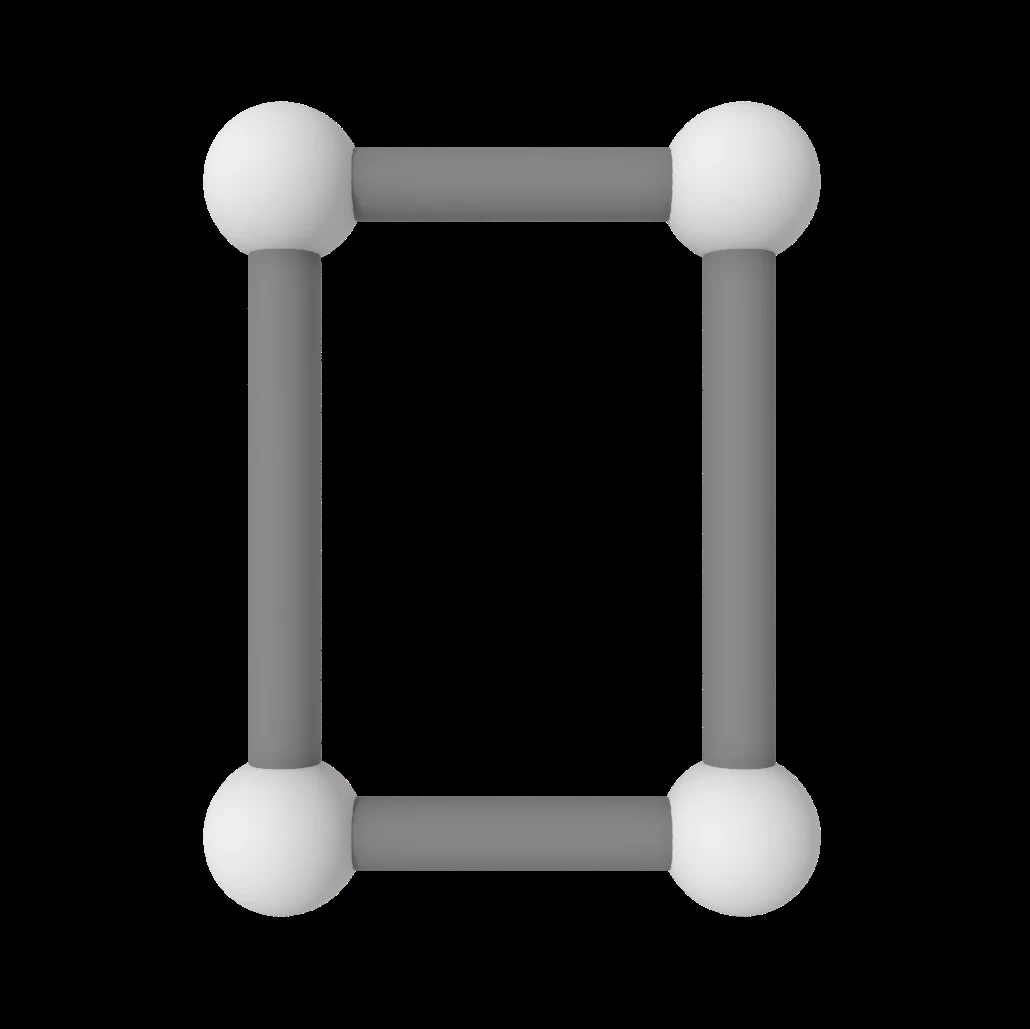
For hydrogen (H₂), stability and excitation swap roles, as if the seesaw has flipped. Ring-shaped molecules like H₄ or C₄H₄ (carbon and hydrogen) usually bend to survive. But the echo chamber straightens them out to perfect symmetry.
The more molecules inside, the stronger the effect — the crowd doesn't dampen the anomaly, it fuels it.
Spectroscopy — analyzing the outgoing light — lets us see these metamorphoses. So light echo teaches us to sculpt molecules with unimaginable properties — from ultrasensitive sensors to world-changing materials.
Without the echo chamber, H₄ or C₄H₄ rings distort chaotically. Inside, they freeze into a perfect shape, and a current runs endlessly around them — you get a magnet with no wires or batteries.
Like sci-fi force fields, light echo reassembles molecules to order — birthing materials with unprecedented traits.