Neutron Star Dust Unveils the Secret of Gold’s Birth ✛ ✦
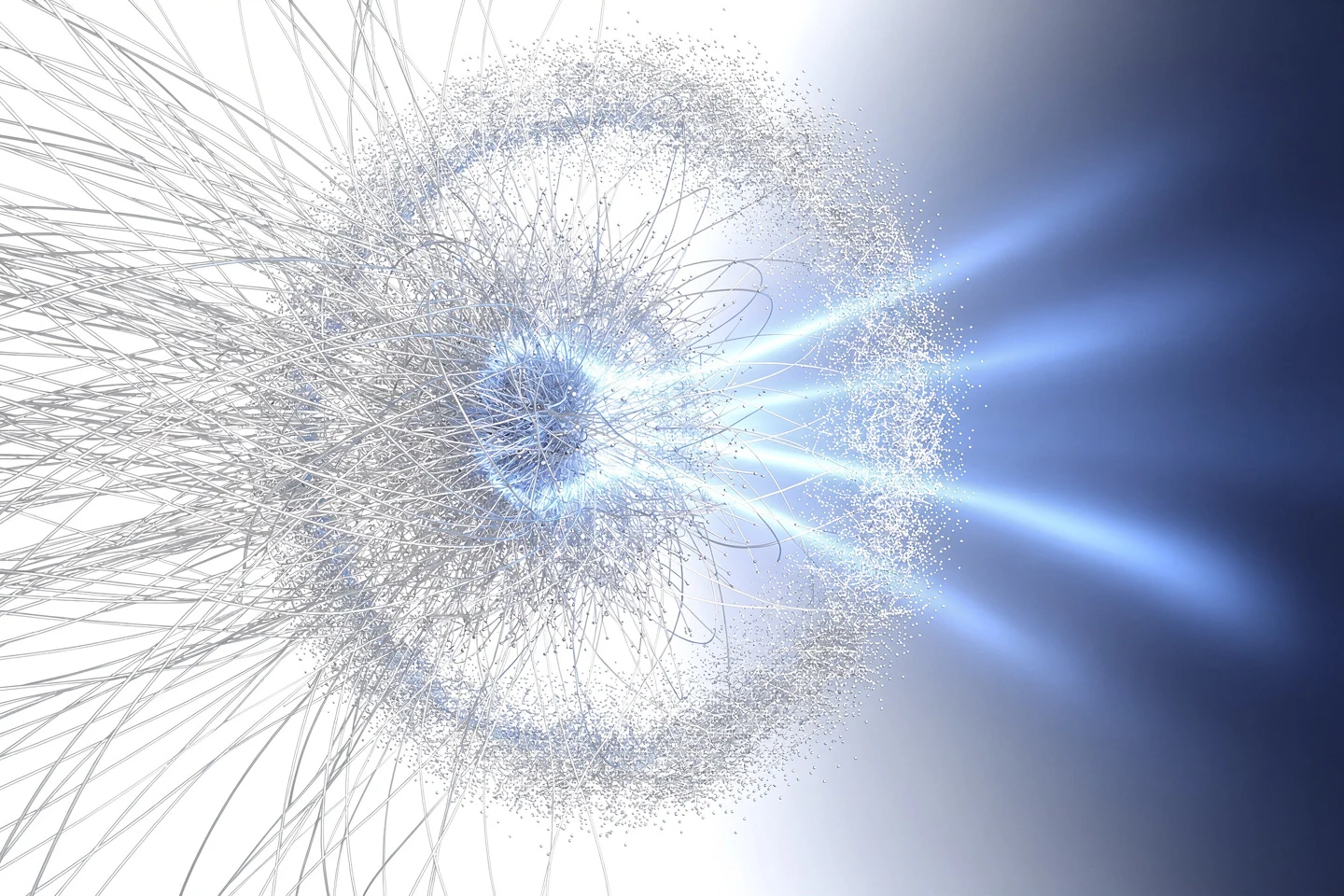
Heavy atoms, born in the collision of neutron stars, behave like sugar in cooling syrup: they clump into microscopic crystal dust grains. This discovery, tracing back to the work of Margaret Burbidge, explained the puzzling infrared glow captured by the James Webb Telescope.
Previously, the glow was attributed to carbon dust, but spectroscopy (analysis of light) revealed a shortage of light elements. It turned out that 'crystals' of gold, platinum, and tungsten were shining — provided that the cloud expands slower than a tenth of the speed of light, otherwise the atoms won't meet. A similar process occurs in supernovae, but the main source of heavy elements is precisely these mergers.
Amazingly, such a dust grain is a million times smaller than a grain of sand, heated to only 400°C (like an oven), yet visible from billions of light-years away. By the brightness of this glow, scientists estimate the amount of newborn elements. Neutron stars themselves were discovered by Jocelyn Bell Burnell, and their mergers are detected by gravitational wave detectors, created with the involvement of Rainer Weiss.
The glow temperature of this dust is about 400°C, roughly like a heated oven. It might seem like tiny heat, but for a sensitive telescope, it’s noticeable across cosmic distances.