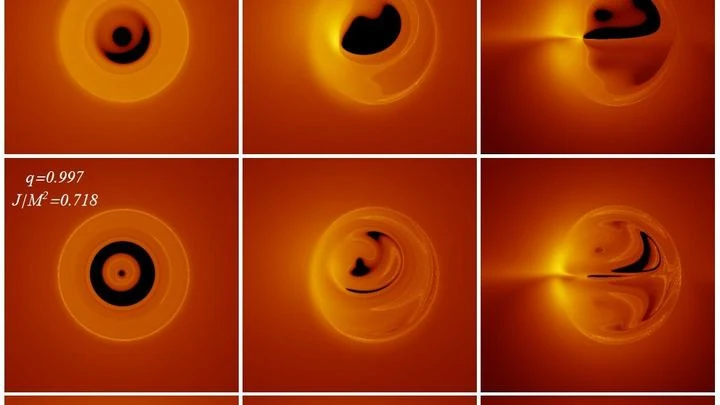
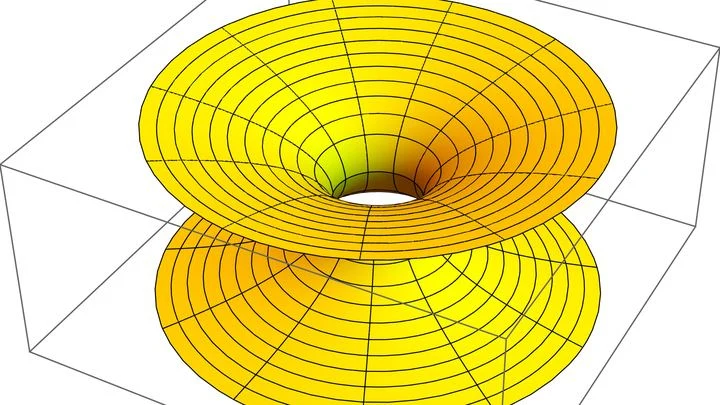
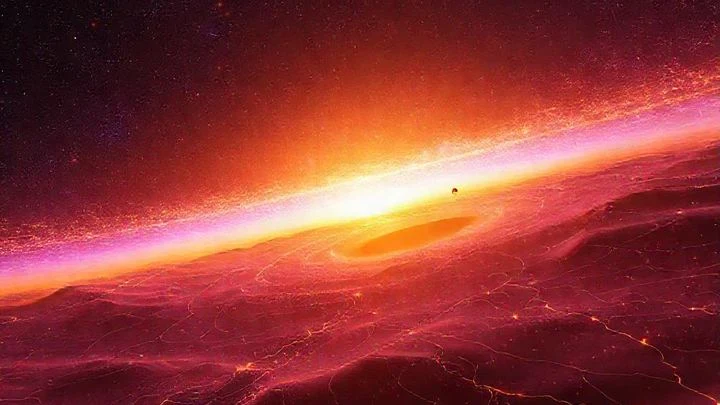
A Kerr black hole is a rotating black hole solution to Einstein's field equations of general relativity, discovered by Roy Kerr in 1963. Unlike the non-rotating Schwarzschild black hole, a Kerr black hole is described by its mass and angular momentum, and it possesses two event horizons and an ergosphere—a region outside the outer horizon where spacetime is dragged along by the rotation. The Kerr metric is considered the most physically realistic description of black holes in the universe, as most black holes are expected to spin.
التاريخ
Roy Kerr derived the solution in 1963 while at the University of Texas at Austin, solving a problem that had stumped physicists for decades. His work was a breakthrough in general relativity and remains one of the most important exact solutions in the field.
كيف يعمل
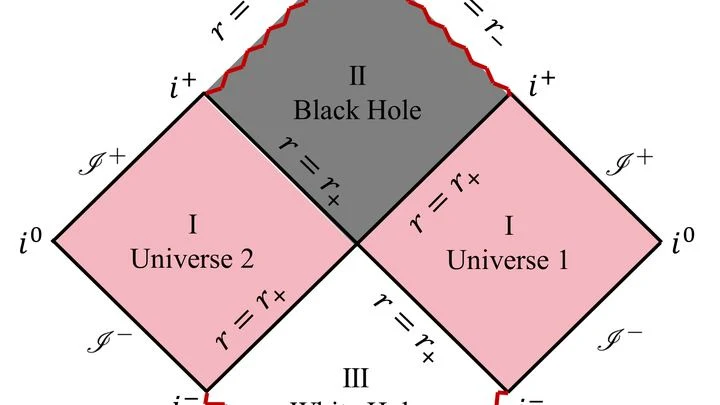
The rotation of the black hole drags spacetime around it, an effect known as frame-dragging. The outer event horizon is the point of no return for infalling matter, while the inner horizon is a Cauchy horizon where causality may break down. The ergosphere allows energy extraction through the Penrose process, where particles can enter the ergosphere and leave with more energy than they entered. The geometry also supports quasinormal modes—characteristic 'ringing' frequencies that encode the black hole's mass and spin, which are now routinely measured by gravitational wave observatories.
في التطبيق
Kerr black holes are used to model astrophysical black holes in X-ray binaries and galactic centers, and to interpret gravitational wave signals from mergers detected by LIGO and Virgo.
حقيقة طريفة
The inner horizon of a Kerr black hole is a region where time and space swap roles again, and it may act as a gateway to other universes—though any traveler would first encounter a singularity of infinite density.
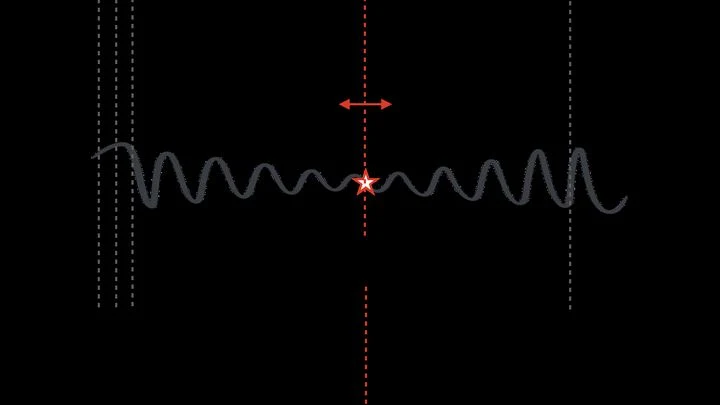
اضرب جرسًا، وسيرن بنغمته الخاصة. الثقب الأسود، عندما يتعرض لاضطراب، "يرن" أيضًا، لكن بدلاً من الصوت المألوف، يولد ارتجاجًا في نسيج الزمكان نفسه — موجات الجاذبية. ترددات هذا الرنين، التي تسمى الأنماط شبه الطبيعية (quasinormal modes)، تحمل معلومات عن الخصائص الأساسية للثقب: كتلته وسرعة دورانه.
في مكان ما في مركز المجرة يدور ثقب أسود — جسم بجاذبية شديدة لدرجة أن الضوء نفسه لا يمكنه الإفلات منه. إنه لا يطفو في الفراغ: حوله سرب غير مرئي من جسيمات المادة المظلمة، تلك المادة الغامضة التي لا تشع ولا تمتص الضوء، لكنها تكشف عن نفسها عبر تأثيرها الجذبوي. حتى الآن، كان هذا السرب يُوصف للثقوب الساكنة، لكن في الواقع، الثقوب تدور دائمًا.
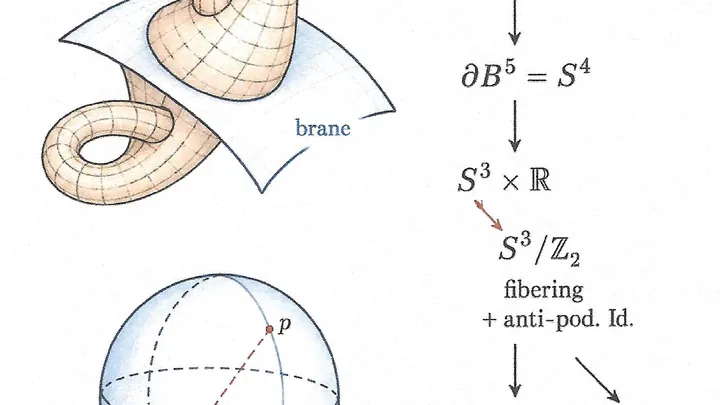
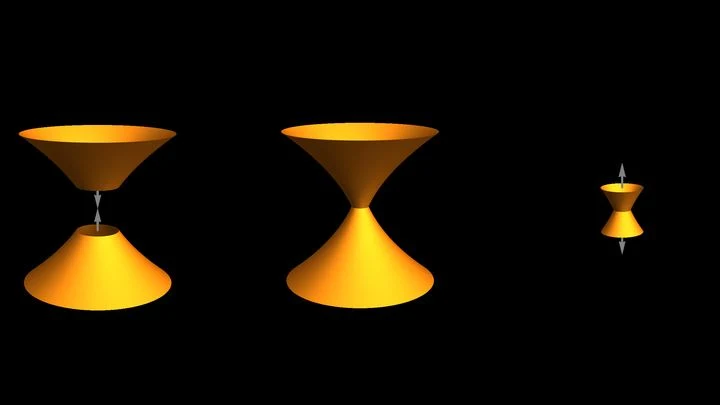
عنق الساعة الرملية هو أضيق مكان، حيث تغيّر حبيبات الرمل اتجاهها. في الجاذبية الكمومية يوجد جسم مشابه: الإنستانتون — حل لحظي لمعادلات المجال يربط حالتين من الفضاء. يعمل كنفق تمر عبره هندسة الكون من شكل إلى آخر، تماماً كما ينتقل الرمل من القارورة العلوية إلى السفلية.
الثقب الأسود الدوّار ليس دوامة هادئة. فالفضاء حوله يرتجف ويصدح من أدنى الاضطرابات، مثل وتر العود بعد نقرته. تصف هذه التذبذبات معادلة تيوكولسكي (Teukolsky equation) — بناء رياضي معقد يدرسه الفيزيائيون منذ نصف قرن.
مؤخرًا، لُوحظ في هذه المعادلة تناظر غريب. إذا أعدنا ترتيب الأرقام المسؤولة عن كتلة الجسيمات بطريقة معينة، تتحول المعادلة إلى معادلة موجية على زمكان آخر «مزدوج».
عندما يندمج ثقبان أسودان، يهتز الجسم الوليد مثل الجرس. هذا الرنين — موجات ثقالية من نوع خاص، يسميها الفلكيون الأنماط شبه الطبيعية (quasi-normal modes) — وهي تذبذبات مخمدة مميزة. تخمد بسرعة، لكنها تكفي لتخبرنا عن كتلة الثقب ودورانه.
الثقب الأسود لا يدور فحسب — بل هو محاط بـ«شعيرات» من مجال إضافي يُعرف بمجال كالب-راموند. تبحث المقالة في كيفية تصرّف مجال ضخم (موجات تمتلك كتلة) بالقرب من مثل هذا الثقب عندما يكون قد بلغ تقريبًا حدّ سرعة الدوران.
تمكن الباحثون من فصل معادلة كلاين-غوردون-فوك لهذا المجال إلى جزأين مستقلّين: جزء شعاعي وجزء زاوي.
الثقب الأسود ليس مكنسة كهربائية كونية مثالية، بل هو جسم ديناميكي محاط بوسط معقد من الجسيمات والحقول التي تؤثر على تطوره. في دراسة جديدة، قام الفيزيائيون الفلكيون بنمذجة سلوك حقل متجهي ضخم — وهو شكل افتراضي من المادة المظلمة يتكون من جسيمات ذات لف مغزلي غير صفري — في جوار ثقب أسود دوّار.
يدور نجم حول ثقب أسود دوّار الثقب الأسود، مثل متزلجة فنية في وسط حلبة التزلج. طالما أنه بعيد ويمكن اعتباره كتلة نقطية، تظل الرقصة قابلة للتنبؤ: يخضع المدار لقوانين واضحة في الميكانيكا السماوية، مثل موسيقى يسهل الانزلاق على إيقاعها. ولكن بمجرد اقترابه، يبدأ الجاذبية في العمل بشكل غير متساوٍ.
بعد اصطدام ثقب أسود، يرنّ مثل الجرس. لكن بدلاً من الصوت، يُصدر موجات ثقالية تتراجع تردداتها بسرعة — وهذا ما يُسمى بالأنماط شبه الطبيعية. من خلال هذا "الرنين" يمكن معرفة كتلة الثقب ودورانه وخصائص أخرى.
أخذ مؤلفو العمل ثقباً أسود مع تصحيحات كمومية (إضافة تظهر على مقاييس صغيرة جداً) ووضعوه في كون مع ثابت كوني — وهو ذاته الذي يجعل الفضاء يتمدد أو ينكمش.
أفق الثقب الأسود ليس جدارًا، بل هو أشبه بغشاء أحادي الاتجاه. كل ما يعبره يختفي إلى الأبد. أظهر ستيفن هوكينج أن هذه الحدود يجب أن تتوهج بشكل خافت، مُصدرةً جسيمات. لكن التقاط هذا التوهج من ثقب أسود حقيقي مستحيل — فهو بعيد جدًا وخافت جدًا.
وجد الفيزيائيون طريقًا ملتويًا: بناء ثقب أسود «لعبة» من ذرات مغناطيسية.
يشبه الثقب الأسود الدوّار دوّامة في نهر — فالزمكان يلتف حوله جاذبًا معه كل ما يقترب منه. في بعض نظريات الجاذبية، يُضاف إلى هذه الدوّامة حقل آخر — حقل متجهي. لهذا الحقل في كل نقطة اتجاه وطول، مثل سهم بوصلة. تساءل مؤلفو العمل: هل يمكن لمثل هذا السهم أن يحافظ على طول ثابت في كل الفضاء حول الثقب الدوّار؟
اتضح أن لا.
قماش الترامبولين المشدود ينحني تحت كرة ثقيلة. إذا دارت الكرة بسرعة، يبدأ القماش بالالتفاف حولها. هكذا يتصرف الزمكان بالقرب من ثقب أسود دوّار: فهو ليس منحنيًا فحسب، بل يُجرَّ مع الدوران، مثل الماء حول دوامة.
لوصف التموجات الدقيقة على هذا «القماش» — الموجات الثقالية — يحتاج الفيزيائيون إلى معادلات.
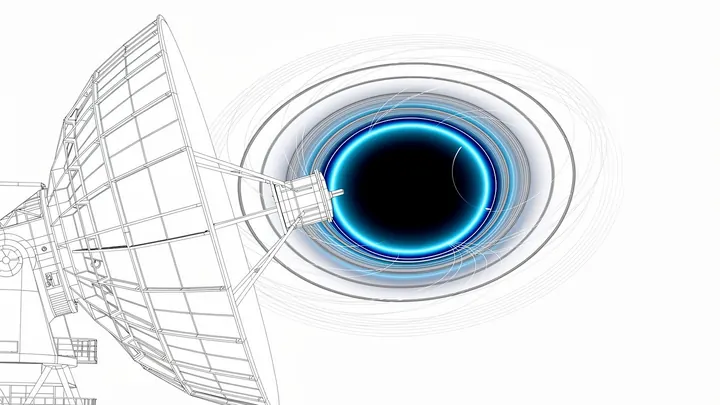
في مركز معظم المجرات تختبئ ثقوب سوداء فائقة الكتلة — أسياد الجاذبية. منذ عام 2019، وبفضل قياس التداخل ذي القواعد فائقة الطول، بتنا نرى ظلالها: صورًا ظلية داكنة على خلفية من الغاز المتوهج. لكن ما الذي يرسم هذا الظل بالضبط؟ سيناريوهان، كدميتين في مسرح الظلال، يمكنهما إلقاء مخططات تكاد لا تُميَّز.
في مركز الاهتمام ثقب أسود ذو شكل غير عادي. هندسته تذكرنا بالمغزل: إلى الدوران المعتاد أضيف استطالة خفيفة. المعامل B يقيس هذا التشوه.
تشوه المغزل ليس مجرد لعبة رياضية. مثل هذه الحلول تساعد في اختبار مدى سماح النسبية العامة بالانحرافات عن شكل كير القياسي.
حركة الجسيمات تتغير.
عادةً ما يخفي الثقب الأسود تفرده تحت أفق الحدث — الحدود غير المرئية التي لا يُفلت من ورائها حتى الضوء. لكن في بعض الأحيان يغيب هذا «الرداء»، ويصبح التفرد — النقطة التي تتوقف عندها الفيزياء المألوفة عن العمل — مكشوفًا لراصد خارجي. تسمى هذه الأجسام تفردات عارية، وهي تسبب الكثير من المتاعب للنظريين.
حجر يسقط في بركة — تنتشر الدوائر وتخفت. ضربة على جرس — فيرنّ بنغمته. الثقب الأسود بعد اضطراب «يرنّ» أيضًا، باعثًا موجات ثقالية بنغمة متلاشية. هذا الرنين يُسمى الأنماط شبه الطبيعية (quasi-normal modes) — اهتزازات خاصة للزمكان — وتردده يعتمد على ما بداخل الثقب.
الغاز شديد الحرارة، وهو يدور في حلزوني، يسقط نحو جسم غير مرئي فائق الكثافة. يشبه هذا القرص دوامة عملاقة، لكنه غالبًا ما يكون مائلًا — إذ لا يتطابق محوره مع محور دوران الجسم المركزي. تجعل الجاذبية القرص يتمايل قليلًا، مثل قمة دوارة تفقد توازنها. اشتق الفيزيائيون لأول مرة معادلة تصف هذا الميل مع مراعاة كل تفاصيل النسبية العامة.
الثقب الأسود ليس مجرد بقعة مظلمة. إنه يدور، ويجرّ معه الفضاء، وقد يحمل بصمات العالم الكمي. لوصف مثل هذا الثقب، يجب حل معادلات مجال الجاذبية. هذه رياضيات معقدة للغاية، وتصبح شبه مستحيلة إذا أضفنا إلى قوانين الجاذبية تصحيحات كمية — حدودًا إضافية ذات قوى أعلى للانحناء.
سابقًا، كانت كل حالة تُحسب يدويًا، ولم توجد طريقة عامة للثقوب الدوّارة.
في لعبة الكريكيت، هناك رمية خاصة تُدعى الغوغلي. الكرة تطير بحيث يخدع دورانها الضارب. وفي الفيزياء كان هناك غوغلي خاص بنا: لما يقرب من نصف قرن، لم يستطع علماء الرياضيات جعل نظرية التوستورات تعمل مع الجاذبية الحقيقية. لقد وصفت بدقة الحقول «المريحة»، حيث يكون كل شيء ملتويًا في اتجاه واحد. ولكن بمجرد ظهور مكوّن «غير مريح» — كان الجهاز ينهار.
الثقب الأسود في الكتب المدرسية يشبه كرة ملساء تمامًا: كل ما هو خارجه يهرب بهدوء إلى اللانهاية. ومع ذلك، ترسم نظرية الجاذبية الكمومية صورة مختلفة. مؤخرًا، في إطار الجاذبية الكمومية الحلقية، وُجد حل — ثقب أسود «كروسكال» حيث يتصرف الزمكان خلف الأفق بشكل مختلف.
في مركز العديد من المجرات تختبئ ثقوب سوداء دوّارة عملاقة. لطالما اشتبه علماء الفيزياء الفلكية في أن هذه الأجسام تتمتع بقدرة مذهلة على البقاء: فبعد ابتلاع نجم أو الاندماج مع ثقب آخر، تهدأ بسرعة وتنسى الكارثة. لكن إثبات ذلك رياضيًا ظل مستعصيًا لعقود — فمعادلات انحناء الزمكان معقدة للغاية.
العمل الجديد يسد هذه الفجوة.
في مراكز العديد من المجرات تختبئ الثقوب السوداء — مناطق ذات جاذبية شديدة لدرجة أن الضوء نفسه لا يستطيع مغادرتها. وغالبًا ما تدور حولها نجوم، وأحيانًا يكون أحدها نجمًا نابضًا، وهو منارة كونية ترسل نبضات راديوية دورية بدقة متناهية. عندما يمر مثل هذا النجم النابض في حركته خلف الثقب الأسود، تصل إشاراته إلينا متأخرة.
عندما تتحرك الأجسام الضخمة بتسارع — لنقل نجمين يدوران حول بعضهما البعض — لا يبقى الفضاء من حولهما هادئًا. بل يهتز مثل سطح بركة أُلقي فيه حجر. هذه الاهتزازات تسمى الموجات الثقالية. وهي تحمل الطاقة بعيدًا، فيفقد المصدر كتلته تدريجيًا.
الموجة الثقالية لا تمر فحسب — بل تترك وراءها فضاءً مشدودًا أو منضغطًا قليلًا.
إن الثقب الأسود سريع الدوران الثقب الأسود، حيث ينحني الزمكان إلى أقصى حد، يشبه جرساً يمكنه أن يطن لقرون. تكاد اهتزازاته الخاصة لا تخفت، إذ يفقد طاقته ببطء لا يُصدق. يظهر بحث جديد أنه عندما يكون هناك قمر صغير قريب — نجم نيوتروني أو جُرم مضغوط — فإن حركته المدارية تعمل كمطرقة صغيرة.
بهلوان يحوم فوق هاوية في مسار حلزوني، يقترب من المركز مع كل دورة. مساره ليس انزلاقًا سلسًا، بل سلسلة من الهزات المفاجئة والتوقفات. هذا تقريبًا ما يفعله ثقب أسود صغير عندما يجذبه جار فائق الضخامة. يسمي الفيزيائيون الفلكيون هذه الرقصة "التنفس بنسبة كتلة متطرفة" — وهي مثالية لاختبار ما إذا كانت هندستنا للعالم صحيحة.
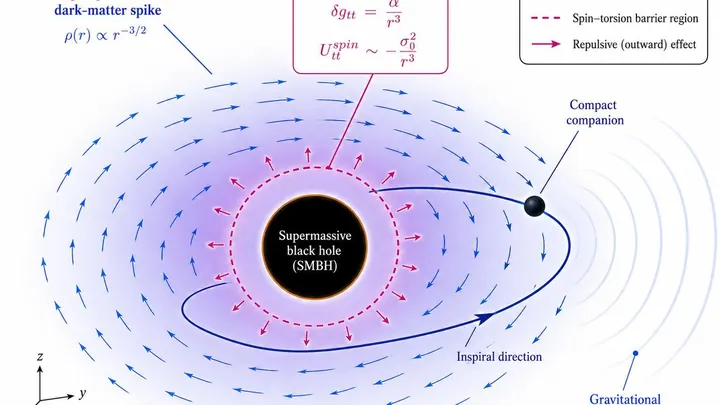
ثقب أسود فائق الضخامة يسبح في سحابة من المادة المظلمة. في الصورة المألوفة، هذه المادة غير المرئية تضيف كتلة فقط ولا تكاد تمس المادة العادية. لكن جسيمات المادة المظلمة قد تمتلك دورانًا ذاتيًا — سبينًا. في توسيع النظرية النسبية العامة، نظرية أينشتاين-كارتن، يصبح سبين المادة مصدرًا لالتواء إضافي في الزمكان.
الثقب الأسود ليس مجرد بقعة مظلمة في الفضاء. إنه منطقة تضغط فيها الجاذبية المادة بشدة لدرجة أن الضوء نفسه لا يستطيع الإفلات منها. من بين جميع الثقوب السوداء المحتملة، يبرز واحد: ثقب كير الدوار. اعتُبر وصفه لفترة طويلة مرتبطًا بمعادلات أينشتاين، وكأنه وصفة طبق مرتبطة بكتاب طبخ معين.
يشبه الثقب الأسود القمة الدوّارة: كلما دار أسرع، كان سلوكه أكثر وضوحًا. له حدّان — الأفق الخارجي والأفق الداخلي، وهما حدّان لا يعبرهما حتى الضوء عائدًا. في العمل الجديد، نظر الفيزيائيون داخل ثقب أسود دوّار مشحون وضربوا مساحتي هذين السطحين.
عادةً ما يُتصور الثقب الدودي على أنه نفق في الفضاء، جدرانه مدعومة بشيء غير عادي — مادة ذات طاقة سالبة. مثل الدعامات في منجم تمنع السقف من الانهيار. لكن في هذه الدراسة، استغنى الفيزيائيون عن الدعامات. أخذوا ثلاثة فضاءات فارغة مختلفة (ما يتبقى عند إزالة كل النجوم والكواكب) وأعادوا تشكيل إحداثياتها — كما يعيد الخياط قصّ بدلة دون إضافة قماش جديد.
الثقب الأسود ليس كرة ملساء تمامًا. تسمح نظرية أينشتاين بأن تحوم حوله "شعيرات" غير مرئية – تكثفات من المجال القياسي الذي يحني الزمكان. الظل – المنطقة المظلمة التي لا يستطيع الضوء الإفلات منها – تنبأ به بنروز في ستينيات القرن الماضي.
العديد من الثقوب السوداء محاطة بمجالات مغناطيسية. تدور الثقب فتسحب معها الزمكان المنحني، تمامًا كحدافة الآلة، وتشغّل المصنع الكوني. وعندما يميل المجال المغناطيسي بالنسبة لمحور الدوران، يصبح حزام إنتاج المصنع فعالاً بشكل خاص – وينشأ مجال كهربائي بقوة هائلة.
تخيّل مرتبة قابلة للنفخ تُمدَّد بالتساوي من جميع الجهات، وعلى سطحها تدور دوامة مائية. عندما تتمدد المرتبة، تنكمش الدوامة — إذ يتقلص حجمها مقارنةً بسطح المرتبة ككل.
ألقِ حصاة في بركة ماء، ستظهر دوائر على سطح الماء. اضرب جرسًا، سيصدر صوتًا بتردده المميز. الثقب الأسود بعد اصطدامه بثقب آخر "يرن" أيضًا، لكن بدل الصوت، يكون الاهتزاز في نسيج الفضاء نفسه. هذه الاهتزازات المتلاشية تُسمى الأنماط شبه الطبيعية (quasinormal modes)، مثل رنين يتلاشى تدريجيًا. تعتمد هذه الأنماط على كتلة الثقب ودورانه، وبها يمكننا معرفة ما الذي واجهناه بالضبط.
الثقب الدودي هو نفق افتراضي عبر نسيج الزمكان، وهو مفهوم طوره جون ويلر وكيب ثورن. وكما يميل الممر في الجبل إلى الانهيار تحت ثقله، فإن عنق الثقب الدودي يميل إلى الانغلاق تحت تأثير الجاذبية.
عادةً ما يكون الثقب الأسود هوةً ذات انهيار نقطي في المركز، حيث الكثافة لانهائية وكل شيء ينهار. وصف أينشتاين و شفارتسشيلد هذا السيناريو. لكن اللانهاية إشارة إلى أن النظرية تعثرت. النموذج الجديد يميل إلى أن الثقب الأسود يشبه دوامة بقاع آمن: يصبح القمع فجأة أملس كالمرآة. تسقط ولا تتمزق، بل تستقر بهدوء في فراغ هادئ.
أتقن الفيزيائيون تقنية رياضية أنيقة تتيح ترجمة معادلات الجاذبية إلى لغة الكهرباء. هذه الطريقة — النسخ المزدوج — تعمل كنوع من القاموس: فهي تستبدل الهندسة المعقدة للزمكان المنحني، الموصوفة بحقول تنسورية عالية الأبعاد، بقواعد أبسط للكهرومغناطيسية، حيث تعمل الحقول المتجهة.
دوّامة في النهر تجذب كل ما حولها. إذا أضفنا إلى الماء هلامًا غير مرئي يثخن عند حافة الدوّامة ويختفي فجأة على طرفها، نحصل على صورة تقريبية لثقب أسود في نموذج رياضي جديد. حوله توجد سحابة كثيفة من المادة المظلمة تنقطع فجأة عند أفق الحدث (الحدود التي لا يعبر بعدها شيء عائدًا).
ضع منبهين متطابقين على الطاولة وشغّلهما في الوقت نفسه. إذا كان أحدهما على سطح زلق وبدأ ينزلق ببطء، فسيختلّ ضبطه — وبعد دقيقة سيقرعان في غير تزامن. هكذا تقريبًا تعمل الطريقة الجديدة التي اقترحها علماء الفيزياء الفلكية للثقوب السوداء الهائلة الثقوب السوداء الهائلة.
تصمّ آذاننا فيزياء القرن الحادي والعشرين بالانتصارات: لقد التقطنا ارتجاف الزمكان من اندماج عمالقة غير مرئية؛ وتفحصنا 'ظل' وحش فائق الكتلة في مجرة بعيدة؛ ورسمنا مدارات نجوم ترقص حول شيء مضغوط في قلب درب التبانة. بدا أن الفرضية القديمة قد تجسدت: تم اكتشاف الثقوب السوداء.
عندما تقرّب مغناطيسًا من حفنة من برادة الحديد، تترتب البرادة على طول خطوط غير مرئية — هكذا يلتف المجال حول المغناطيس من قطب إلى قطب. وبطريقة مشابهة يمكن رؤية الجاذبية حول الأجسام الضخمة: فقط بدل البرادة يكون الفضاء نفسه، وبدل المغناطيس نجم أو ثقب أسود. اقترح مؤلفو العمل تحليل الجاذبية إلى حقلين. أحدهما يشبه الكهربائي — فهو يسحب. والآخر يشبه المغناطيسي — فهو يلوي.