Stochastic self-organization is the process by which random fluctuations, rather than being a nuisance, actually drive a system to spontaneously form ordered structures or patterns. This is counterintuitive because noise is usually associated with chaos and disorder. Yet in many physical, chemical, and biological systems, randomness can amplify certain modes and suppress others, leading to the emergence of coherent patterns like ripples, stripes, or even living cells. It is a key mechanism behind phenomena as diverse as the formation of sand dunes, the beating of heart cells, and the assembly of protocells.
التاريخ
The concept was formalized by Alan Turing in 1952, who proposed that reaction-diffusion systems could explain biological morphogenesis, and later developed by Ilya Prigogine with his work on dissipative structures, for which he won the Nobel Prize in Chemistry in 1977.
كيف يعمل
The mechanism often involves a feedback loop: random fluctuations create small inhomogeneities, which then influence the system's dynamics in a way that amplifies those inhomogeneities. For example, in a chemical reaction, a random concentration spike can trigger a local reaction that produces more of the same substance, which then diffuses and triggers neighboring regions. This is described by reaction-diffusion equations, where the interplay between local amplification and spatial spreading leads to pattern formation. The randomness provides the initial 'seed' that breaks symmetry, while the deterministic dynamics then sculpt the pattern.
في التطبيق
It is used in materials science to create self-assembling nanostructures, in biology to understand embryonic development, and in robotics to design swarm behaviors that emerge from random individual actions.
حقيقة طريفة
Turing's 1952 paper on morphogenesis was written while he was also working on code-breaking and early computers, and it was largely ignored for decades before becoming a cornerstone of modern biology.
اكتب الوصفة، ثم راجعها بعد ساعة: إن انحرفت النسب ولو بغرام واحد، ضاع الطعم. وهكذا تقريبًا تسلك التفاعلات الكيميائية في الأنظمة المفتوحة: أدنى فرق في التراكيز الابتدائية يكبر مع الزمن ليُفضي إلى حالات مختلفة تمامًا. هذه هي الفوضى، وهي في الأنبوب المخبري تبدو كتقلبات غير متوقعة في اللون أو درجة الحرارة.
في بعض البلورات، لا تتوزع الإلكترونات بشكل متجانس، بل تنتظم في رقعة شطرنج صارمة: في خلية واحدة يكون عدد الإلكترونات أكبر، وفي الخلية المجاورة أقل. يُسمى هذا النمط بالنظام الشحني، وظلّ لفترة طويلة يُعتبر شيئًا جامدًا، مثل رسم على زجاج متجمد. لكن في الآونة الأخيرة تبيّن أن هذا النمط يمكن قلبه، تمامًا كما يُقلب النظام المغناطيسي بنبضة تيار.
تخيل أوركسترا كبيرة بلا قائد. كل عازف يسمع الآخرين ويتكيف مع الضجيج الجماعي. إذا كان كل آلة تضخم جيرانها، يرتفع الصوت حتى الصرير، وإذا كانت تخفض أحيانًا، فقد تتجمد الأوركسترا في صمت أو تنفجر في نشاز. هكذا تتصرف الشبكات العصبية تقريبًا، حيث تعمل الوصلات بين الخلايا كمقابض ضبط: بعضها يقوي الإشارة وبعضها يضعفها.
في مبنى من تسعة طوابق، في كل طابق ألف غرفة، بعض السكان يهمسون وبعضهم يصرخون. الجيران ينقلون الكلمات، لكن إذا تحدث الجميع بهدوء شديد، تتلاشى الرسالة في الطابق الثالث. وإذا تحدثوا بصخب شديد، تتحول بحلول الطابق الأخير إلى هدير غير مفهوم. بين هذين الطرفين توجد حالة يصل فيها الهمس إلى النهاية دون تشويه. يسميها علماء الأعصاب النقطة الحرجة، ويبدو أن الدماغ يعمل عندها تمامًا.
الغابة لا تعيش في عالمٍ جامد. ففي الشتاء والصيف، وفي النهار والليل، تتغير الظروف من حولها، وكل تذبذب من هذه التذبذبات يشبه إيقاعاً تتكيف معه جميع الكائنات التي تعيش فيها. ومع ذلك، ظل علماء البيئة يدرسون حتى الآن بشكل أساسي كيف تظل مجتمعات الكائنات الحية صامدة في بيئة ثابتة، وكأنهم يختبرون متانة جسر في طقس هادئ فقط.
البقعة الشمسية — جزيرة مظلمة على سطح ناري — تعيش حياة صاخبة. تحتها، في الأعماق غير المرئية، تسبح حلقات مغناطيسية عملاقة تشبه الحبال الملتوية. عندما تطفو إحدى هذه الحلقات إلى السطح، قد تفرغ شحنتها في توهج — وتقذف سحبًا من الجسيمات المشحونة إلى الفضاء.
لطالما حاول العلماء فهم ما الذي يحدد قوة هذه الأحداث ومفاجأتها.
يشبه سرب البعوض سحابة حية — مئات الأجسام تدور معًا، لكن لا أحد يصطف في خط أو يكرر حركات جاره، كما تفعل الزرازير أو الأسماك. ظل لفترة طويلة غير واضح ما الذي يحافظ على هذا التماسك. افترض مؤلفو الدراسة الجديدة أن الحشرات تتواصل عبر الصوت. تسمع كل فردة طنين أجنحة العديد من حولها وتطير نحو حيث يكون هذا الطنين أعلى — نحو مركز «سحابة الصوت».
في عام 1970، ابتكر عالم الرياضيات جون كونواي الأوتوماتة الخلوية «الحياة» — حقلًا متقطعًا تولد فيه ثلاث قواعد فقط أنماطًا معقدة بشكل مذهل. بعد أربعين عامًا، ظهرت SmoothLife — نسخة توقف فيها الفضاء عن كونه خلويًا وأصبح مستمرًا، مثل بقعة ضبابية. أخذ مؤلفو العمل الجديد نسخة أبسط من هذه اللعبة المستمرة: الآن يتغير كل شيء بسلاسة وفي الزمن أيضًا.
حجر يسقط في ماء هادئ — فتنتشر على السطح حلقات منتظمة. وإذا لم يكن الحجر يسقط فحسب، بل يدور أيضًا، تظهر على السطح دوامات صغيرة. الضوء يفعل الشيء نفسه، لكن بدل الماء يكون المكان والزمان نفسهما.
اكتشف الفيزيائيون أن نبضة ضوئية، عندما تصطدم بعائق بسيط، يمكنها أن تلتف بنفسها إلى دوامة في الزمكان.
فسيفساء من المربعات والمثلثات تغطي الأرضية دون فراغات، لكنها لا تترتب في نمط متكرر بسيط. هذا النمط هو بلورة شبه دورية، وهي مادة صلبة حيث لا تكون الذرات مرتبة بشكل دوري، بل بنمط من عدة موجات ذات أطوال مختلفة. هذه الموجات غير قابلة للقياس مع بعضها البعض، وتعمل معًا على خلق نظام بعيد المدى.
في البلورات العادية، أي إزاحة للذرات تولد موجات صوتية — فونونات.
مدينة ليلاً: في بعض النوافذ يضيء الضوء، وفي البعض الآخر يظلم. إذا وصلت بخطوط النوافذ التي تضيء في نفس الوقت، ستحصل على شبكة عنكبوتية من الاتصالات. هذه الشبكة درسها الباحثون على عضيات دماغية صغيرة — تجمعات حية من الخلايا العصبية نمت في المختبر.
سجلوا الإشارات الكهربائية لعشرات الخلايا العصبية وبنوا شبكة تعتمد قوة الاتصال بين الخلايا فيها على مدى تزامن نشاطها.
بعد الانفجار العظيم، وفقًا لعلم الكونيات التضخمي، شهد الكون توسعًا سريعًا وسلسلة من التحولات الطورية. في هذه الفترة، كما يعتقد المنظرون، قد تكون تجمدت عيوب طوبولوجية في نسيج الزمكان — أوتار كونية، جدران مجال، أحاديات قطب. استمر البحث عنها لعقود، لكن لا توجد أدلة مباشرة حتى الآن.
تخيّل بستانيين يتفاوضان على الماء من بئر سحري. يقترح أحدهما عدد الدلاء التي سيأخذها، والآخر بإمكانه الموافقة أو الرفض. إذا تمت الصفقة، فإن الماء — وهو مورد متجدد — ينخفض؛ وإذا لم تتم، يمتلئ البئر تدريجيًا مرة أخرى.
صحراء حيث كل خطوة تغير التضاريس. تنهار الكثبان الرملية، وتنشأ منحدرات جديدة — وتُفرض الخطوة التالية بما وطئته للتو. تقريبًا هكذا تعمل "المناظر الرملية" (sandscapes) — نموذج رياضي مستوحى من الأنظمة الحية.
اعتمد المؤلفون على شبكات هوبفيلد العصبية، لكنهم أضافوا تغذية راجعة: كلما دخل النظام في حالة معينة (مثل "أصبحت الخلية عضلية")، زاد عمق المنخفض المقابل في مشهد الطاقة.
انسَ الورقة المسطحة: النسيج الجنيني مشهد ديناميكي من التلال والطيات. على النتوءات تتمدد الخلايا، وفي المنخفضات تنضغط — وكأنها تؤدي رقصة خاضعة لقوانين تشبه بشكل مذهل انحناء الزمكان. في دراسة جديدة، بنى العلماء نموذجاً حيث الخلايا، مثل المجرات في النسيج الكوني، تُصغر طاقتها الميكانيكية، وتنحني أغشيتها على طول خطوط جيوديسية.
في العالم المصغر، الضوضاء — التقلبات العشوائية — عادةً ما تدمر الحالات الكمومية الهشة، تمامًا كما تكسر تموجات الماء انعكاس الصورة في بركة ماء. ومع ذلك، في بعض الأنظمة، تولد الضوضاء الجماعية المنسقة لتعدد الجسيمات تأثيرًا معاكسًا: ينشأ تدفق أحادي الاتجاه مستقر.
في عالم يسعى نحو الفوضى، يولد أحيانًا إيقاع. لطالما أذهل تفاعل بيلوسوف-جابوتينسكي الكيميائي الخيال لعقود: في أنبوب اختبار، تتسابق الموجات الملونة من تلقاء نفسها، كما لو كانت كائنًا حيًا يتنفس المادة. شيء مشابه يكمن في البلورات، حيث تتوازن ذرات الحديد بين هيئتين مغناطيسيتين — عالية السبين ومنخفضة السبين.
الطبقة الحية من الخلايا تشبه حشدًا على سلم متحرك. في حالة الهدوء، يتحرك الجميع بسلاسة، ولكن بمجرد حدوث تدافع، يتوقف الحركة. كذلك، يمكن للطبقات الخلوية تحت الحمل أن تتصلب فجأة، وتتحول من كتلة مرنة إلى هيكل صلب.
درس علماء الأحياء والفيزياء كيف تتفاعل الطبقات الأحادية الخلوية النموذجية (طبقات رقيقة بسماكة خلية واحدة) مع الإجهاد المستمر.
ملاءة مشدودة بإحكام تظل ممددة على طاولة لعدة أيام. ظاهريًا هي ساكنة، لكن في ألياف القماش يبقى التوتر محفوظًا — يكفي أن ترخي أحد الأطراف قليلًا، فتجري الثنيات معيدة ترتيب النمط كله. تقريبًا هكذا تتصرف طبقة الخلايا الظهارية في حالة السكون. إنها لا تتجمد فحسب، بل تتراكم فيها توترات ميكانيكية — نوع من الذاكرة الخلوية للحركات السابقة.
تخيل جسيمين كموميين مرتبطين بخيط غير مرئي — ارتباط كمومي. أحدهما يفقد الطاقة، والآخر يكتسب نفس المقدار تمامًا، بحيث يبقى المخزون الإجمالي ثابتًا. إذا لاحظت الجسيم الأول فقط، فإن تذبذباته لا تخمد: يبقى الإيقاع ثابتًا تمامًا مثل النجم النابض — نجم نيوتروني دوار يصدر نبضات دورية صارمة. من الخارج، يبدو أن الإنتروبيا — مقياس الفوضى في النظام تتزايد، وتشتد الفوضى.
قطعة من الصلصال، إذا عُجنت، تتصرف كمادة صلبة غير متبلورة (amorphous solid) — ليست بلورة، ولكنها ليست سائلًا أيضًا. داخل هذه المادة يمكن أن تنشأ انهيارات جليدية: إعادة ترتيب صغيرة واحدة تسحب جاراتها، وتمر موجة عبر العينة بأكملها. النسيج الحي، الذي تنقسم فيه الخلايا وتُعاد هيكلته باستمرار، هو أيضًا غير متبلور، لكنه يحتوي على مصدر للطاقة — الانقسامات.
الشريط المطاطي يتمدد ثم يعود إلى وضعه. النابض الفولاذي ينضغط ثم يرتد. تبدو المرونة خاصية للأشياء البسيطة — قطعة معدنية أو قطرة هلام. لكن مؤلفي هذا العمل نظروا أعمق.
لقد أظهروا أن اللف المغزلي للإلكترون — دورانه الصغير الخاص — يمكن أن يكون مرنًا أيضًا. القمة الدوارة لا تدور فقط: فهي تتشوه قليلًا عند الدفع ثم تستعيد شكلها. هذا بالضبط ما يفعله اللف المغزلي في ظروف معينة.
تزحف الخلية على هلام — تارة لزج وتارة مرن — وتقرر بنفسها متى تسرع. إنها لا تنزلق فحسب: فمحركها الكيميائي الداخلي (يمكن أن تؤثر الضوضاء في عمل الجينات على إنتاج «الوقود») يدفع الحافة الأمامية، بينما ينفصل الذيل عن الدعامة. يشبه هذا الإنسان الذي يمشي على الرمل والطين والأسفلت: فتصبح الخطوة أقصر أو أطول من تلقاء نفسها.
يتصرف الحشد في ساحة المدينة بشكل مختلف اعتمادًا على ما إذا كان الناس ممسكين بأيدي بعضهم البعض. إذا كان كل شخص يلامس جاره بمرفقه فقط، يسهل انتشار الناس في كل الاتجاهات — يتمدد الحشد كسجادة متساوية. ولكن بمجرد أن يتشابكوا بأصابعهم، تتباطأ الحركة وينقسم الحشد إلى كتل: تتشكل تجمعات كثيفة هنا وهناك، وبينها ممرات فارغة. هذا تقريبًا ما تفعله الخلايا الحية عندما تنمو وتستكشف الفضاء.
في أي مجموعة هناك ثلاثيات غير معلنة: ثلاثة أصدقاء دائمًا معًا. وهناك أزواج تعمل بشكل مستقل. واتضح أن مدى «احتواء» الثلاثيات للأزواج يحدد كيفية انتشار كل شيء في المجموعة — من الفيروس إلى الفكرة الجديدة.
أدخل العلماء مقياسًا أطلقوا عليه اسم معامل التداخل (nesting coefficient). يبيّن هذا المعامل كم مرة تتكرر الروابط داخل الثلاثي في الروابط الثنائية.
إذا نثرت البذور عشوائيًا، تتشابك الشتلات في فوضى. لكن إذا رتبتها في صفوف منتظمة، يخضرّ الحقل بنظام. مبدأ مشابه يعمل مع البكتيريا أيضًا. المستعمرات المكونة من خلايا مستطيلة عادةً ما تعج بتدفقات غير منتظمة، لكن العلماء وجدوا طريقة لفرض النظام عليها منذ البداية.
الدماغ مبني كمبنى متعدد الطوابق: الطوابق السفلية تعالج الإشارات البسيطة، بينما تجمعها الطوابق العلوية في صور معقدة. لطالما اشتبه العلماء في أن هذا الترتيب مرتبط بكيفية عمل الخلايا العصبية معًا. لكن كيف بالضبط، بقي لغزًا.
سجّل الباحثون النشاط الكهربائي لآلاف الخلايا العصبية في القشرة البصرية والحُصين لدى الفأر.
يشبه التفاعل الكيميائي المرور عبر بوابة دوارة: يسبب الازدحام فوضى فيعلق، بينما يتحرك الصف المنتظم. لكن في العالم الكمومي، عندما يهدأ التدافع، قد يصبح الحاجز شبحيًا — حيث يتسلل الجسيم عبره وكأن البوابة اختفت. هذا النفق الكمومي هو ما يتحكم في كيمياء الكواكب العملاقة.
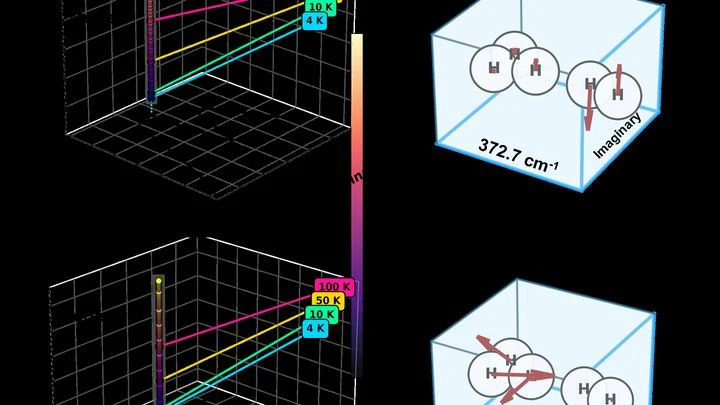
أظهرت الدراسة: في الحالة الانتقالية، عندما تكون الجزيئات مستعدة للتحول، تخفت الفوضى.
أوركسترا بلا قائد تعزف، وفجأة — دون أي أمر ظاهر — تبدأ آلات الكمان في العزف بصوت أعلى، وتتحول آلات النفخ قليلًا في توقيتها. من الخارج يبدو أن شيئًا لم يتغير، لكن داخل الفرقة حدثت إعادة توزيع للأدوار. هذا تقريبًا ما تفعله الأنظمة الفيزيائية الصغيرة فيما يُسمى بالتحولات الكاذبة من الرتبة الثالثة.
أحيانًا يلتف سرب طيور أو مدرج أسماك في دوامة، رغم أنه لا يوجد فرد واحد يأمر بالدوران. هذا الدوران الجماعي يساعد المجموعة على التماسك والاختلاط بشكل أفضل. عادةً ما يُفسَّر ذلك بأن الأفراد أنفسهم غير متماثلين، مثل المروحة، أو يدفعون بعضهم البعض مع دوران. لكن في عمل جديد تم اكتشاف مسار آخر.
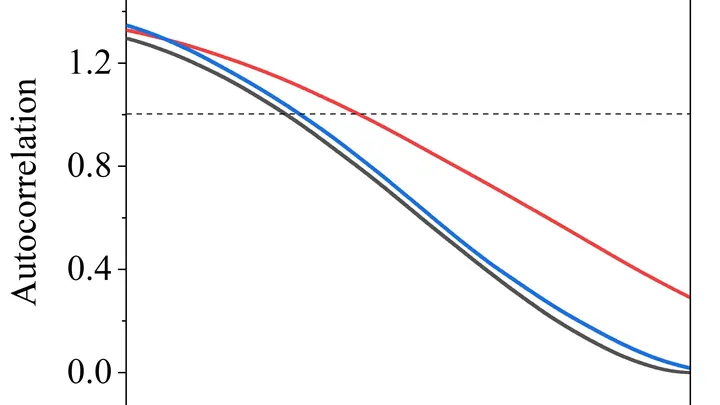
ارمِ حصاتين متطابقتين من قمة جبل: إذا سقطت إحداهما سنتيمترًا إلى اليسار، فبعد دقيقة ستجد نفسيهما في واديين مختلفين. المجرة هي نفس الجبل، لكن فيها مليارات الحصى، والمنحدر يمتد لملايين السنين. قام مؤلفو الدراسة الجديدة بمحاكاة قرص من 40 مليون نقطة-نجمة واختبروا مدى سرعة نسيانه لمكانه في البداية.
اتضح أنه ينسى بشكل شبه فوري. الزمن الذي يتضاعف فيه الاختلاف بين مجرتين شبه متطابقتين أقل من 0.1 مليون سنة.
شبكة تقرر بنفسها متى تتوقف
حشد من الناس يكبر: كل شخص جديد ينضم إلى المجموعة باحتمالية تعتمد على حجم المجموعة الحالي. إذا كانت المجموعة صغيرة، يكون الانضمام سهلاً؛ وإذا كانت ضخمة، يبدأ الناس في التردد، ويتباطأ النمو. هذه الآلية، التي تسمى التغذية الراجعة (feedback)، تغير سلوك الشبكة بالكامل.
تسقط قطرة حبر في كوب ماء، فتنتشر منها دوائر. يبدو الماء بسيطًا، لكن إذا نظرنا إلى الداخل، نجد أن كل جزيء لا يتحرك للأمام فحسب، بل يدور أيضًا، مثل قمة دوارة صغيرة. يسمي الفيزيائيون هذا الدوران الذاتي للجسيمات بالسبين (spin). عادةً لا نلاحظه: في الماء الهادئ، تدور القمم الدوارة بشكل عشوائي، ولا يؤثر دورانها على حركة السائل بأكمله.
قطعة العجين، إذا مددتها من الجانبين، لا تتمدد بشكل متساوٍ: في مكانٍ ما تصبح أرق وتتمزق. النسيج الحي يتصرف بشكل مشابه، لكن بدل التمزق تظهر فيه أشرطة انزلاقية — مناطق ضيقة تبدأ فيها الخلايا بالانزلاق فوق بعضها، مثل أوراق اللعب عند قصّها. هذه الأشرطة تقسم النسيج إلى مناطق تتصرف بشكل مختلف: بعضها يبقى مرنًا، وبعضها يصبح سائلًا.
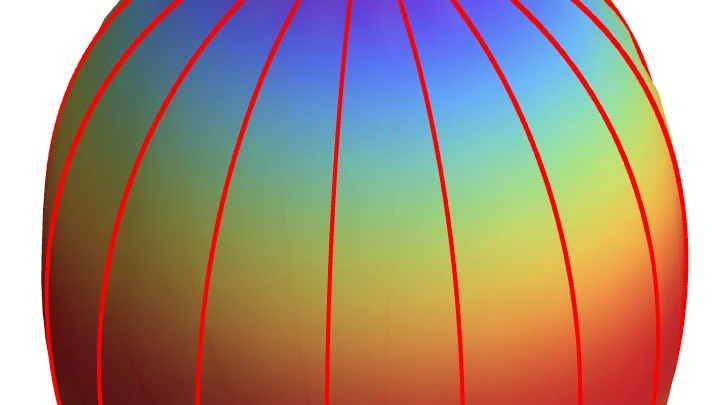
الخلايا على سطح الجنين تشبه حبات الأرز التي يمكن أن تصطف في اتجاه واحد. يُسمى هذا النظام بالنظام النيماتيكي (nematic order). ينشأ عندما تبدأ الخلايا في التصرف بتناسق، مثل سرب من الأسماك يسبح في اتجاه واحد. قام العلماء بمحاكاة هذه العملية على غلاف كروي — كما لو كان بالونًا منفوخًا مغطى بالعديد من هذه "الحبات".
عندما تصطف "الحبات"، يفقد الغلاف تماثله ويتغير شكله. إذا نشأ النظام فجأة، يتمدد الغلاف مثل الشمامة.
بلورة تشبه من الداخل إسفنجة ذات متاهة من المسام، تبين أنها قادرة على إجراء الحسابات. المادة المسماة DUT-8 تتكون من عقد معدنية وجسور عضوية تشكل شبكة مخرمة. تحت تأثير غازات مختلفة، يتغير شكل هذه الشبكة قليلًا — مثل بيت من ورق يعيد ترتيب نفسه عند نسمة هواء خفيفة.
وجّه العلماء أشعة سينية إلى العينة وتابعوا تشتتها.
إذا ألقيت حجرًا في بركة، ستنتشر دوائر على الماء. في بلورة مغناطيسية صغيرة أيضًا توجد موجات — لكن ما يهتز ليس الماء، بل اتجاه المغنطة. تُسمى هذه الموجات بالموجات المغزلية (spin waves). تجري عبر البلورة مثل تموجات على السطح، ويمكنها حمل المعلومات.
أخذ الفيزيائيون صفيحة من حديقة الإيتريوم الحديدية — وهي بلورة برتقالية شفافة تُقدَّر لنقاء تذبذباتها المغناطيسية.
في المحيط، تظهر أحيانًا موجة عملاقة منفردة تنشأ من العدم ثم تختفي. هذه الموجات القاتلة نادرة لكنها خطيرة. ومضات نادرة وقوية مماثلة تحدث في أنظمة أخرى — من الأسواق المالية إلى الليزر. المشكلة أنها صعبة التنبؤ، بل وأصعب في الاستدعاء عند الطلب.
في العمل الجديد، استخدم الفيزيائيون ليزر شبه موصل — مصدر ضوء صغير موجود في مشغلات DVD وخطوط الألياف البصرية.
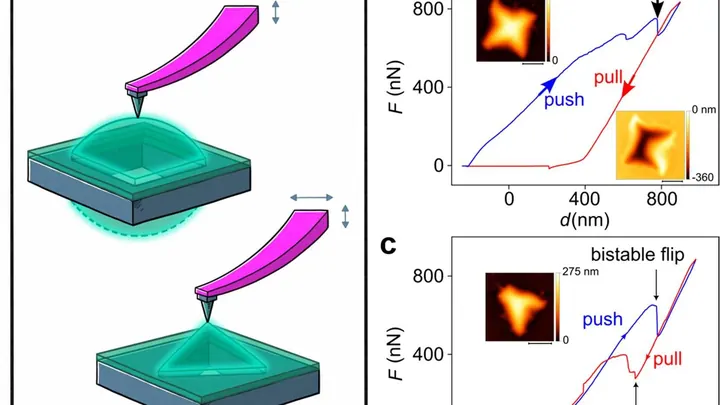
غشاء رقيق من أكسيد معدني يستقر على سطح يحتوي على حفرة صغيرة جدًا. إذا تم ضغط الغشاء قليلاً من الجانبين، فإنه لا يتجعد، بل ينحني إلى الأسفل داخل الحفرة أو إلى الأعلى على شكل حدبة. كلا الوضعين مستقران، مثل غطاء علبة طعام معدنية، الذي يكون إما مقعرًا أو محدبًا، ولا يقفز من تلقاء نفسه بينهما.
نوعان من البكتيريا يتقاسمان طبق بتري واحد. كلاهما يأكل نفس الغذاء، ووفقًا لكل القواعد، يجب أن يزيح أحدهما الآخر. لكن في الواقع، غالبًا ما يعيشان معًا لسنوات. السر يكمن في القدرة على الانسحاب في الوقت المناسب.
البكتيريا لا تبقى ساكنة. عندما يظهر غريب بالقرب منها، تبدأ في التحرك بشكل أسرع.